The Gilded Age Ascends: How HBO’s Period Drama Became an Unlikely Cultural Phenomenon

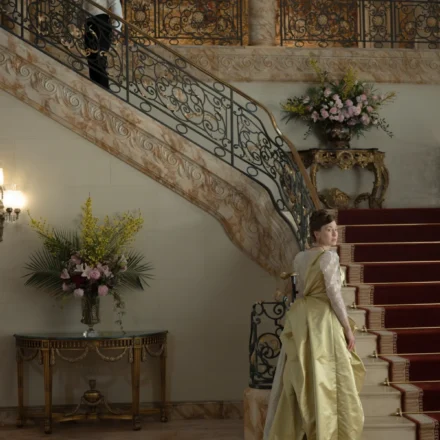
The drawing room of the Fifth Avenue Hotel is stifling, not from the heat of a New York City autumn, but from the weight of 19th-century velvet, intricate lace, and the sheer, palpable ambition of the women gathered within. It is a postmortem, though not of a person; rather, the women of HBO’s The Gilded Age are dissecting the success of their latest societal maneuver.
"I’m still buzzing from the other night," says Marceline Hugot, stepping into the shoes of Mrs. Foster, the stalwart director of the Heritage Society. She rises, her posture immaculate, to address the assembly. "Despite some hiccups, President Cleveland was charmed."
The scene is a microcosm of the show itself: lavish, meticulously curated, and constantly battling the friction of tradition against the modern urge for progress. As the camera pulls back, Taissa Farmiga, playing the social-climbing scion Gladys Russell, enters the frame. Her presence triggers a subtle ripple of upturned eyebrows and guarded glances—the classic language of Old New York. But as she begins to deliver her lines, explaining her mother Bertha’s sudden, convenient migraine, the illusion shatters. Farmiga stumbles, her words tangling into a knot of modern frustration.
"Damn it," she exclaims, a sharp, contemporary expletive that would send any self-respecting 19th-century matron into a fainting spell.

Cut. The spell is broken, but the intent remains. This is the reality of bringing the Gilded Age to life in 2026—a process that demands an industrial level of precision, artistry, and, above all, the endurance of a modern-day army.
A Production of Gilded Proportions
As the series gears up for its highly anticipated Season 4 premiere on November 1, the scale of the production has reached an unprecedented zenith. If the previous seasons were about establishing a foothold in the competitive landscape of Manhattan society, Season 4 is a declaration of total conquest.
"Usually, we have two or three major set-piece events in a season," explains production designer Bob Shaw. "This is the season where we keep saying, ‘It’s go big or go home.’"
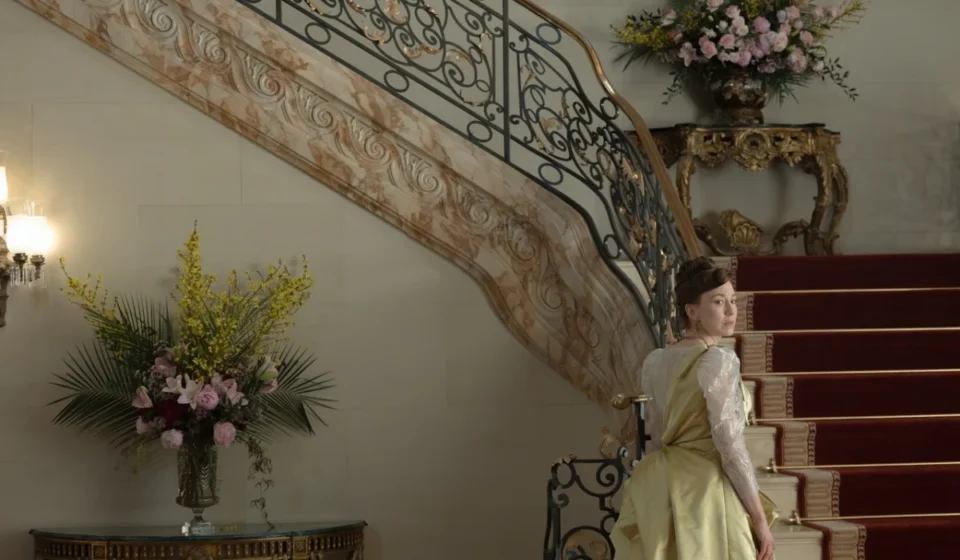
The logistical requirements for this season are staggering. The narrative arc calls for a cascade of high-society milestones: multiple weddings, a boisterous dance hall sequence, a grand parade, an inventors’ convention, the solemn dedication of a national monument, and the crowning jewel—a presidential visit. Bringing these to life requires a small city of costumers, historical researchers, set builders, and technicians working in concert to ensure that the 19th century looks, feels, and sounds authentic. Every detail, from the specific tilt of a hat to the architectural flourishes of the Fifth Avenue drawing rooms, must pass the rigorous inspection of a production that has defined itself by its visual opulence.

From the Bubble to Appointment Television
The current confidence of the production team is a far cry from the show’s early days. For the first two seasons, The Gilded Age hovered on the "bubble," with critics and audiences alike unsure if Julian Fellowes’ latest period piece would find the same resonance as his previous juggernauts. Yet, a palpable shift occurred. The ratings surged, and the show transitioned from a niche interest to genuine appointment television.
Cast members report a marked change in public engagement. What began as scattered interest on social media has transformed into an inescapable cultural presence. It is common now for actors to be stopped on the street by strangers eager to debate the intricacies of Gladys Russell’s romantic prospects or the latest corporate chess moves by the formidable George Russell.
"It’s so rare that you let a show be on the air for a few years to find its audience," says Carrie Coon, who delivers a masterclass in calculated ambition as Bertha Russell. "Our attention moves on more quickly now, and I have friends on amazing shows that no one’s watching. To know that people are actually consuming the thing you’re making is very gratifying."
Coon notes that the demographic reach is surprising, spanning socioeconomic classes and political affiliations. "It’s all over the world. It’s every end of the political spectrum. There are fans in every corner."

The "Sweet Spot" Theory: Evolution of Character
For co-creator Sonja Warfield, the moment the show truly "arrived" in the cultural consciousness was unexpectedly domestic. While her parents were attending a funeral, they found themselves surrounded by mourners who, rather than discussing the deceased, were fixated on the latest episode of The Gilded Age.
Warfield attributes this late-blooming success to the natural growth cycle of a series. "Season 3 is the sweet spot for TV series," she posits. "Season 1, you’re establishing the world. Season 2, you’re starting to build out the plot lines. And Season 3, the actors really know the characters and the writers know the nuances of the actors. We can write to their strengths. That gives us more real estate for their characters’ journeys."
The narrative complexity has certainly deepened. Following the explosive fallout of the Russells’ marriage—a byproduct of George’s fury over Bertha’s manipulation of their daughter’s marriage to a duke—the show has moved beyond simple class warfare. With assassination attempts, high-stakes business gambits, and the rapid rise and fall of fortunes, the show has tapped into a vein of drama that feels both historically grounded and viscerally modern.
The Industrialists and the Modern Mirror
Perhaps the most compelling aspect of the show’s success is the parallel fans draw between the robber barons of the 1880s and the tech moguls of today. Characters like George Russell, dubbed "Railroad Daddy" by an enthusiastic online fanbase, navigate a world of cutthroat competition that mirrors the current era of AI, electric cars, and global digital networks.

This parallel is not lost on the cast. Cynthia Nixon, who plays Ada, admits to a certain discomfort in the act of portraying these figures as protagonists. "These billionaires are the main story of our moment, and it is the main story of The Gilded Age," Nixon observes. "You have these people who appear seemingly out of nowhere and have so much money, and because of their incredible wealth and their quest for more, they are destroying everything from the planet to democracy to the Constitution."
Julian Fellowes, however, offers a more nuanced, if controversial, defense of his characters. He views the Gilded Age as a necessary, if tumultuous, precursor to the 20th century.
"I do feel I’m sticking up for them," Fellowes says. "I’m a lone voice in the other direction, because I think the Gilded Age was a very exciting time for America, and these men made it exciting. They built an economy that put America at the peace table with the loudest voice in both of the coming world wars. I’m perfectly happy to protect people who can’t protect themselves. But the fashion now is to hate them, and we ought to remember that they got America ready for the 20th century."
Looking Toward the Horizon: Season 5 and Beyond
As the cameras roll for the third hour of the day, the cast is visibly "punchy." The grueling 5 a.m. start times and the physical demands of period costumes have taken their toll, yet the atmosphere is one of profound solidarity.

There is a sense that they are no longer just making a show; they are building a legacy. With Season 4 officially debuting, there is a newfound security in the creative process. While the writers haven’t fully mapped out the ultimate conclusion, there is a shared desire to keep the story moving forward.
"We have a Season 5 in us if we’re allowed to do it," Fellowes confirms, though he adds a pragmatic caveat: "When you write a TV series, you have to finish every season so that it could be the end, because one day it will be."
For actors like Donna Murphy, who portrays the formidable Caroline Astor, the experience has become deeply personal. "There’s been this gradual kind of gelling and coalescing as a company," she says. "We just keep getting better. I remember at the end of filming the third season, Christine [Baranski] turned to me and said, ‘I could do this for the rest of my life.’ And you know what, she’s right."
As the cast prepares for another take, Baranski practices her facial exercises, her signature wit surfacing even in the downtime. "This is better than a sharp stick in the eye," she quips to the table, eyes twinkling with the same sharp intelligence that defines her character, Agnes.

In a television landscape that often discards series before they have the chance to find their rhythm, The Gilded Age stands as a testament to the power of patience. It has navigated the treacherous waters of critical indifference and societal shifts to become a mainstay of modern prestige television. Whether through the lens of history or the mirror of today’s wealth inequality, the show has secured its place—not just in the drawing rooms of New York, but in the cultural imagination. As they march toward an uncertain future, the cast and crew seem ready for whatever, or whoever, tries to stand in their way.