A New Chapter for Indonesian Cinema: Jakarta World Cinema Wraps with Major Industry Investments

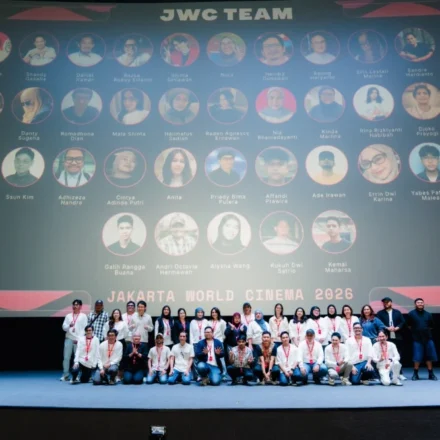
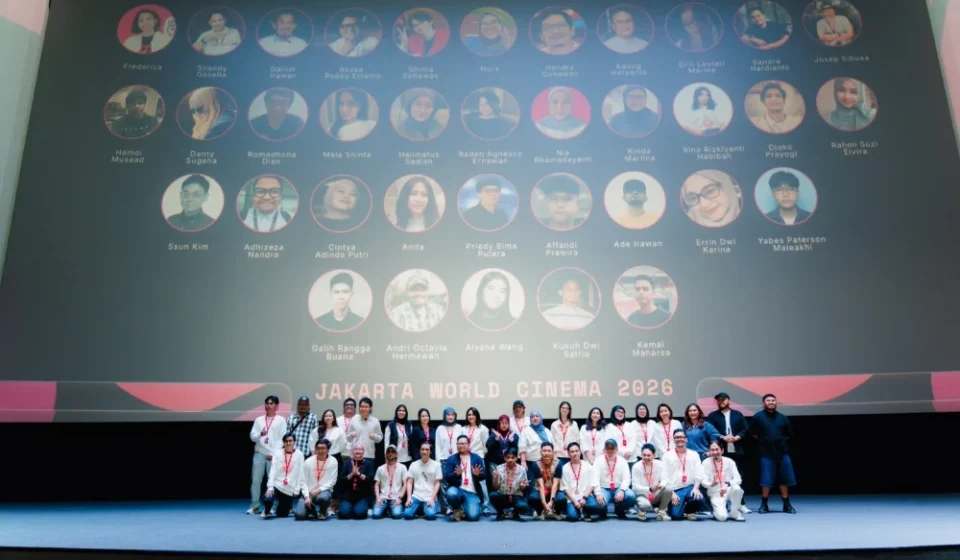
The curtains have officially fallen on the latest edition of the Jakarta World Cinema (JWC) festival, an eight-day cinematic marathon that solidified its status as a pivotal bridge between international auteur cinema and the burgeoning domestic talent of Indonesia. Held at the bustling CGV Grand Indonesia, the festival concluded with a flair for the dramatic, balancing the prestige of global award-winners with a landmark commitment to the next generation of Indonesian filmmakers.
The event, which saw an impressive turnout of over 25,000 attendees, served as a vibrant showcase for the power of storytelling. While the festival’s programming offered a window into the global landscape of contemporary film, the closing ceremony provided a tangible roadmap for the future of local production, as three promising short filmmakers were awarded full funding to transition into feature-length projects.
The Palme d’Or Prestige: "Fjord" Takes Top Honors
The festival’s singular feature film prize, the Jakarta World Cinema Audience Award, was bestowed upon Fjord, the latest masterwork from acclaimed Romanian director Cristian Mungiu. Having previously opened the festival, the film’s selection by the audience underscores a growing appetite in Jakarta for the slow-burn, morally complex narratives that have become the hallmark of Mungiu’s career.
The audience award is a testament to the festival’s curation, which sought to bring globally recognized cinema to a local demographic eager for challenging, high-caliber storytelling. Mungiu, a titan of contemporary world cinema, has once again proven his ability to transcend cultural boundaries, resonating deeply with the Indonesian viewership.
A Grand Finale: The "Inherit" Premiere
The festival concluded with the Indonesian premiere of Inherit, the latest horror offering from Thai director Banjong Pisanthanakun. Pisanthanakun, known for his ability to blend visceral thrills with intricate character studies, was present at the screening alongside lead actress Davika Hoorne.
The post-screening Q&A session provided a lighter, yet equally fascinating, contrast to the intensity of the film. Pisanthanakun delighted the crowd by revealing the staggering scale of the film’s production value, specifically noting that Hoorne’s wardrobe for the project was a monumental investment. The director famously pointed out that a single Gucci dress worn by the actress during the production carried a price tag of THB 3 million ($89,500), highlighting the growing budget capabilities and stylistic ambitions of Southeast Asian genre cinema.
Empowering the Next Generation: The KlikFilm Short Movie Competition
The heartbeat of the closing ceremony was undoubtedly the announcement of the winners for the KlikFilm Short Movie Competition. Powered by the Indonesian streaming platform of the same name, the competition serves as a direct pipeline for talent to move from the short-film circuit to the professional feature film industry.
The Jury and the Selection Process
Running from April through July, the competition was a massive undertaking, attracting over 300 entries from across the Indonesian archipelago. The jury panel was composed of some of the most respected voices in the country’s modern film renaissance:
- Joko Anwar: The visionary director behind the globally acclaimed horror hit Impetigore.
- Gina S. Noer: A powerhouse writer-director known for the deeply moving Two Blue Stripes.
- Khozy Rizal: An emerging talent whose short film Basri & Salma in a Never-Ending Comedy earned a prestigious slot in competition at the Cannes Film Festival.
The selection process was described by industry insiders as rigorous, focusing not just on technical proficiency, but on the potential for long-form narrative development.
The Winners and Future Features
The competition’s primary goal was to provide "career-launching" opportunities. The top three winners were granted full production and distribution funding for their debut feature films:
- First Place: Jusuf Witjaksono for Karim. He will receive full production and distribution support from the industry giant Falcon Pictures.
- First Runner-Up: Adam Hasyim Al Raschid for Air Pangea.
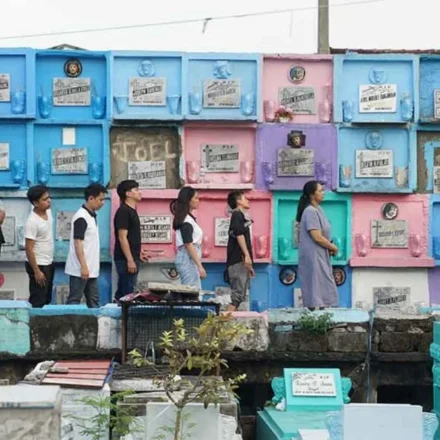
- Second Runner-Up: Ali Yafie Muzaki for The Grave of Dreams.
Both the first and second runners-up secured full feature-film funding directly from KlikFilm, ensuring that their creative visions will reach an audience far beyond the festival circuit.
Additional accolades included the Audience Award, which went to Zaky Alfawwaz for Callsh#t, and the Special Jury Prize, awarded to Michael Juan Saptayada for OTW.
Chronology: A Week of Cultural Exchange
The festival’s success was not merely a result of its awards, but of its deliberate pacing.
- Opening Night: The festival kicked off with a spotlight on Fjord, setting an intellectual tone that defined the week.
- Mid-Festival: Throughout the eight-day window, the CGV Grand Indonesia served as a hub for workshops, panels, and networking events between local filmmakers and visiting international delegates.
- The Final Stretch: The competition phase concluded in late July, allowing the jury time to deliberate, leading up to the final reveal of the winners on closing night.
- Closing Ceremony: The event reached its crescendo with the announcement of the KlikFilm victors, followed immediately by the premiere of Inherit.
Supporting Data and Industry Impact
The statistics provided by the festival organizers paint a picture of a healthy, growing film ecosystem. With 25,000 attendees, the Jakarta World Cinema is quickly becoming a marquee event on the Southeast Asian cultural calendar.
The investment model utilized by KlikFilm and Falcon Pictures is particularly significant. By providing full funding for debut features, these companies are effectively de-risking the entry point for new filmmakers. In a market where securing capital for independent features is notoriously difficult, this model provides a blueprint for sustainable growth in the Indonesian film industry.
Official Responses and Strategic Vision
Frederica, the executive director of the festival, took to the stage during the closing ceremony to express her gratitude to the audience. In her address, she emphasized the importance of physical screenings in an era dominated by digital content.
"The numbers we have seen this year are not just attendance figures; they are proof that the audience is hungry for stories that challenge them," Frederica stated. She noted that the collaboration with KlikFilm is part of a broader strategy to ensure that Indonesian cinema does not just exist as a consumer market for foreign content, but as a producer of original, high-quality narratives that can compete on the world stage.
The jurors echoed this sentiment. Joko Anwar remarked that the quality of the 300+ submissions was "staggering," noting that the barrier to entry is lowering while the level of craft is rising. Gina S. Noer highlighted that the winners were chosen because they possessed "a singular voice," a quality she believes is essential for directors looking to make the leap to feature-length filmmaking.
Implications: The Future of Indonesian Cinema
The success of the Jakarta World Cinema festival and the KlikFilm competition signals several important shifts for the Indonesian film landscape:
- Professionalization of Short Film: The competition has moved the short film from a "practice project" to a "commercial incubator." By attaching feature funding to the winners, the festival has turned the competition into a legitimate industry audition.
- Global-Local Hybridization: By pairing international masters like Mungiu with local genre giants like Pisanthanakun, the festival is forcing a dialogue between different styles of filmmaking. This cross-pollination is likely to influence the next generation of Indonesian directors who are now exposed to a wider vocabulary of cinematic techniques.
- The Role of Streaming Platforms: The active involvement of KlikFilm demonstrates that streaming services are evolving from mere distributors into primary financiers. This is a critical development for local creators who often struggle to navigate the traditional studio system.
- Audience Sophistication: The fact that an audience-led award went to an art-house film like Fjord suggests that the Jakarta audience is becoming increasingly sophisticated, moving beyond traditional blockbuster expectations to embrace diverse global cinema.
As the industry looks toward the next festival cycle, the focus will likely shift to the production progress of the winners—Karim, Air Pangea, and The Grave of Dreams. If these films can replicate the quality of the shorts that birthed them, they will serve as the ultimate validation of the Jakarta World Cinema model.
In conclusion, the festival has proven that Indonesia is ready to take its place as a significant player in the global film circuit. With the right support, funding, and a platform that bridges the gap between the auteur and the audience, the country’s cinematic future looks not only bright but profoundly compelling.