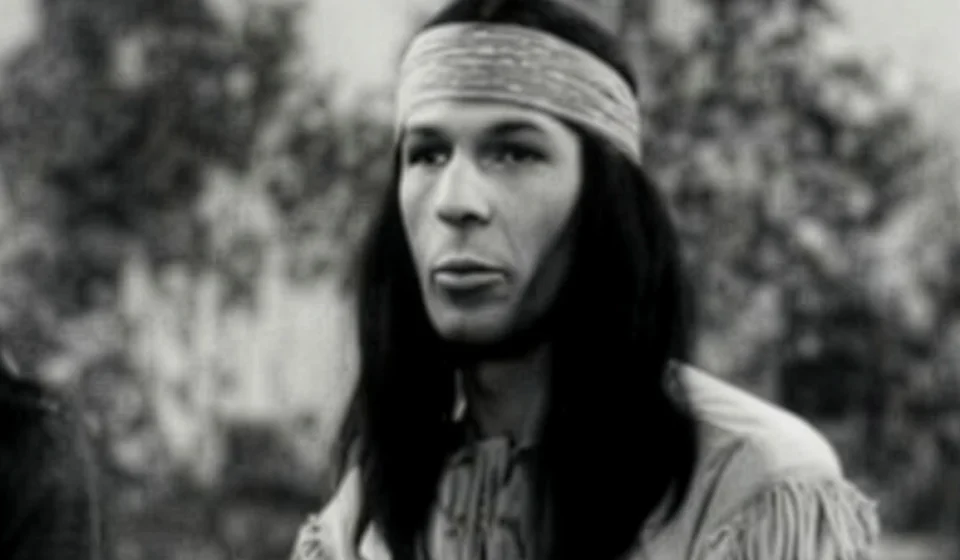

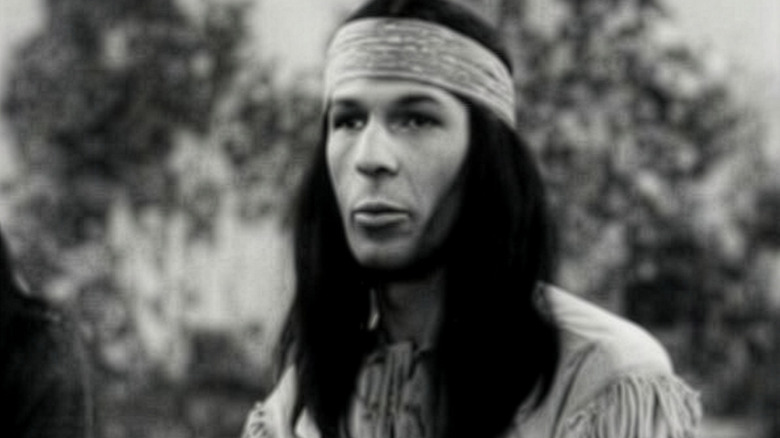
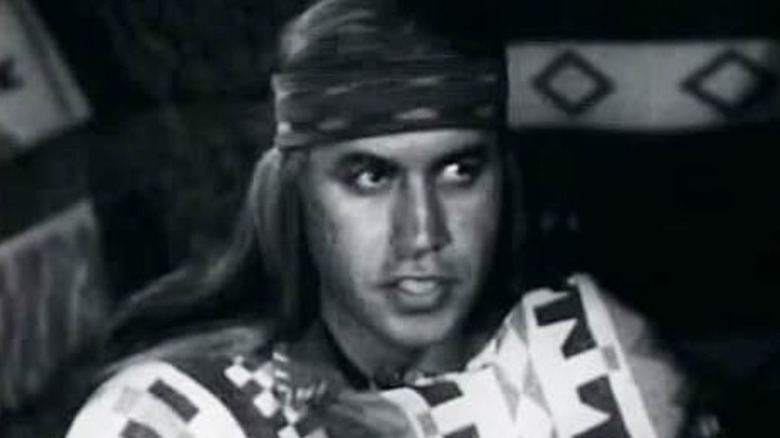
Before he was the logical, stoic face of the Vulcan race, Leonard Nimoy was a journeyman actor navigating the rigorous demands of 1950s Hollywood. For many, his career began and ended with the pointy ears of Mr. Spock. However, a deep dive into the archives of mid-century television reveals a far more eclectic professional journey. Among his most frequent stops were the dusty trails of the American Western, a genre that dominated the cultural landscape of the era. Perhaps most intriguing is his recurring presence in the 1956 series Broken Arrow, where the future Starfleet officer portrayed three distinct characters, often embodying roles that reflected the complex, and frequently problematic, racial politics of the mid-20th century.
Main Facts: A Pre-Vulcan Professional Life
Long before the USS Enterprise took flight, Leonard Nimoy was a working actor in a system that valued versatility above all else. Born in Boston to Ukrainian Jewish immigrants, Nimoy entered an industry that was rapidly shifting from film to the burgeoning medium of television. Between 1951 and 1966, he built a resume that served as a microcosm of the era’s television landscape.
The Western, in particular, was the bedrock of 1950s programming. Actors were expected to hop from set to set, often appearing as villains, sheriffs, or travelers in hit shows like Gunsmoke, Rawhide, and Bonanza. Broken Arrow, a series based on the 1947 novel Blood Brothers by Elliott Arnold, stood out as an outlier. It focused on the real-life historical friendship between Tom Jeffords and the Apache leader Cochise. While the show is now remembered as a "buddy" drama that attempted to portray Indigenous characters with a level of dignity rarely seen at the time, it also serves as a historical case study for the industry’s reliance on "ethnic casting"—a practice that saw actors of various backgrounds playing characters from cultures not their own.
The Chronology of an Aspiring Star
To understand Nimoy’s trajectory, one must look at his early credits. His first appearance in 1951’s Queen for a Day was a humble beginning, followed by roles in films like Francis Goes to the Talking Mule and the science fiction serial Zombies of the Stratosphere. By the mid-1950s, he had secured a foothold in the television circuit, with appearances on Dragnet and Highway Patrol.
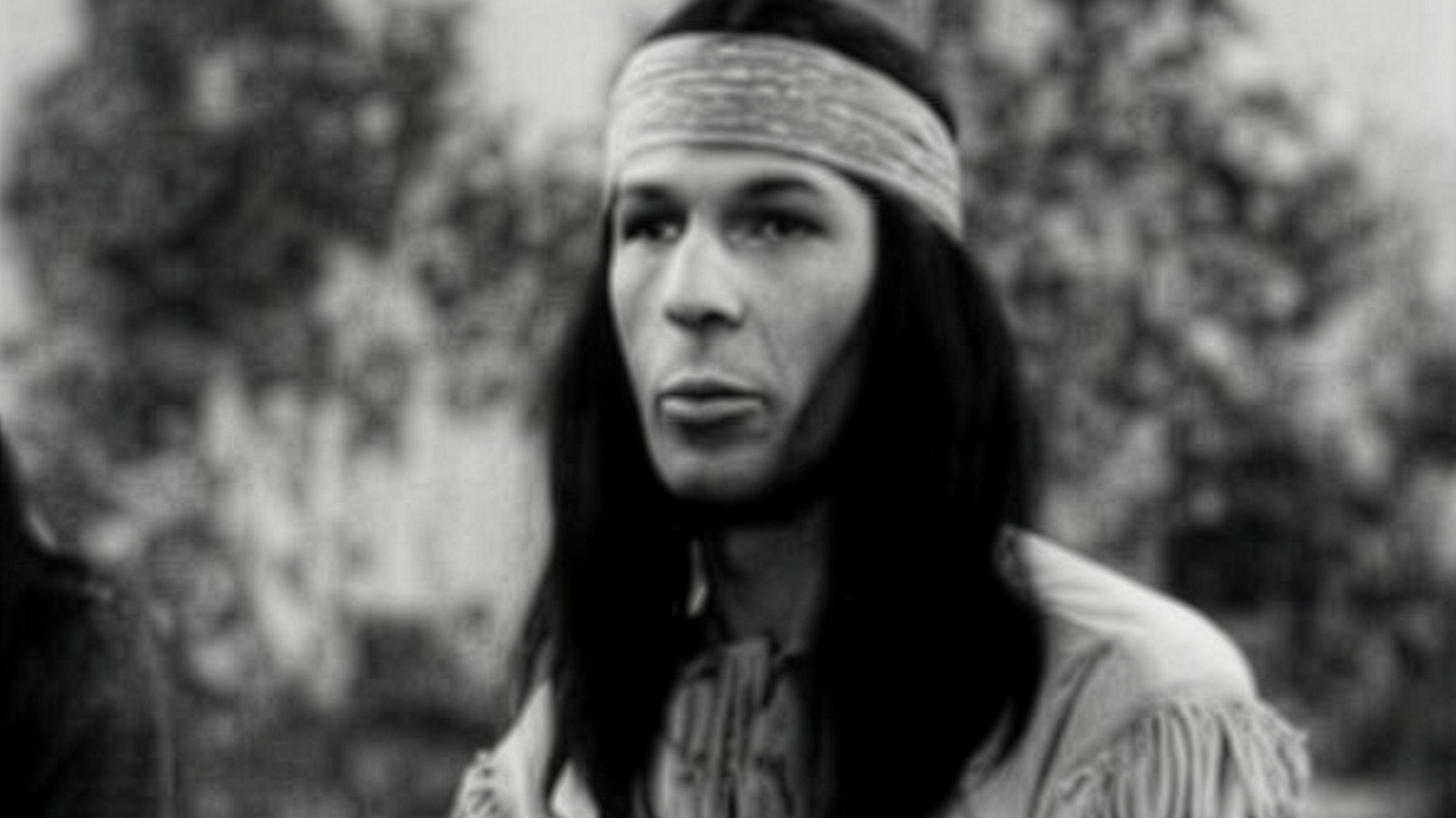
When he arrived on the set of Broken Arrow, the series was already two seasons deep into its 72-episode run. His three appearances were spread across the show’s tenure:
- "The Trial" (Season 1): Nimoy played a supporting role in a narrative that challenged the typical black-and-white morality of the genre.
- "Conquistador" (Season 2): A complex episode involving territorial water rights and racial tension.
- "The Iron Maiden" (Season 2): A notable appearance where he was simply credited as "Apache," highlighting the era’s often reductive approach to non-white casting.
While these roles were brief, they were essential for a young actor honing his craft. During this same period, the Broken Arrow pilot featured Ricardo Montalbán as Cochise—a fascinating intersection of history. Montalbán would later become a legend in the Star Trek universe as the genetically engineered tyrant Khan Noonien Singh. Though their paths in Broken Arrow never crossed on screen, the coincidence underscores the small, insular nature of the Hollywood casting pool at the time.
Supporting Data: The Western Genre as a Training Ground
The Western wasn’t just a genre; it was a factory. For an actor of Nimoy’s caliber, these roles provided the dramatic stakes necessary to develop a screen presence. Beyond Broken Arrow, Nimoy’s resume is a roadmap of the American frontier:
- Tombstone Territory (1959): Continued his work portraying Indigenous characters.
- Wagon Train: Appeared in four separate episodes.
- The Virginian: A massive hit that utilized Nimoy across three different roles in three different episodes, demonstrating his ability to disappear into the background while still providing a compelling performance.
By the time Star Trek debuted in 1966, Nimoy had been a "working stiff" for 15 years. The failure of Star Trek to become an immediate, mainstream blockbuster during its initial three-season run could have ended a lesser actor’s career. However, because Nimoy had spent the previous decade building a reputation as a reliable, chameleon-like performer in Westerns and crime dramas, he was able to pivot seamlessly. He joined the cast of Mission: Impossible shortly after, proving that his career was built on the foundation of the very dramas that had defined the 1950s.
The Implications of "Ethnic Casting"
It is impossible to discuss Nimoy’s work in Broken Arrow without addressing the elephant in the room: the casting practices of the 1950s. The industry frequently cast white or non-Indigenous actors in Indigenous roles. While Broken Arrow was considered "revolutionary" for its time because it portrayed First Nations people as human beings with agency rather than as "monsters," the production was still operating within a framework of systemic racial insensitivity.
The irony is not lost on modern viewers: Leonard Nimoy, who would eventually play the ultimate "outsider" in Spock—a character defined by his struggle to reconcile two disparate cultures—spent his early career portraying marginalized groups in Westerns. These performances were not merely gigs; they were the training ground for the empathy and nuance he would later bring to the role of the half-Vulcan first officer. His ability to convey internal conflict—a hallmark of his Spock performance—was clearly forged in the crucible of these smaller, often thankless, character roles.
Official Responses and Historical Reflection
Retrospective analysis of Broken Arrow often highlights the tension between the show’s noble intentions and its execution. Critics of the era praised the show for its "dignity," but modern historians are quicker to point out the superficiality of that dignity. The reliance on white actors to portray Indigenous history was a common flaw, yet the show remains a significant artifact.
In interviews conducted later in his life, Nimoy rarely lingered on these specific guest roles, often preferring to focus on the craft of acting rather than the political optics of the 1950s. However, he often spoke about the "dignity" he sought to bring to every character, regardless of the role’s size. For Nimoy, the work was the goal. Whether he was playing an Apache in Broken Arrow or a ranch hand in The Virginian, he treated the character with a level of seriousness that separated him from the typical "extra."
Conclusion: A Legacy of Versatility
Leonard Nimoy’s time in Broken Arrow is more than just a piece of trivia for Star Trek fans. It is a testament to the endurance required to survive in the entertainment industry. The Western genre provided the grit, the variety, and the dramatic foundation that turned a young Boston actor into a global icon.
While the politics of 1950s casting remain a point of necessary criticism, Nimoy’s dedication to his craft remains clear. He did not arrive on the bridge of the Enterprise fully formed; he arrived there after years of walking the dusty, demanding trails of the American West. By examining these early, often-overlooked performances, we gain a deeper appreciation for the actor who taught us that the most human qualities are often found in the most alien of places. His career serves as a reminder that every great performance is built upon the thousands of smaller, harder-won moments that preceded it.