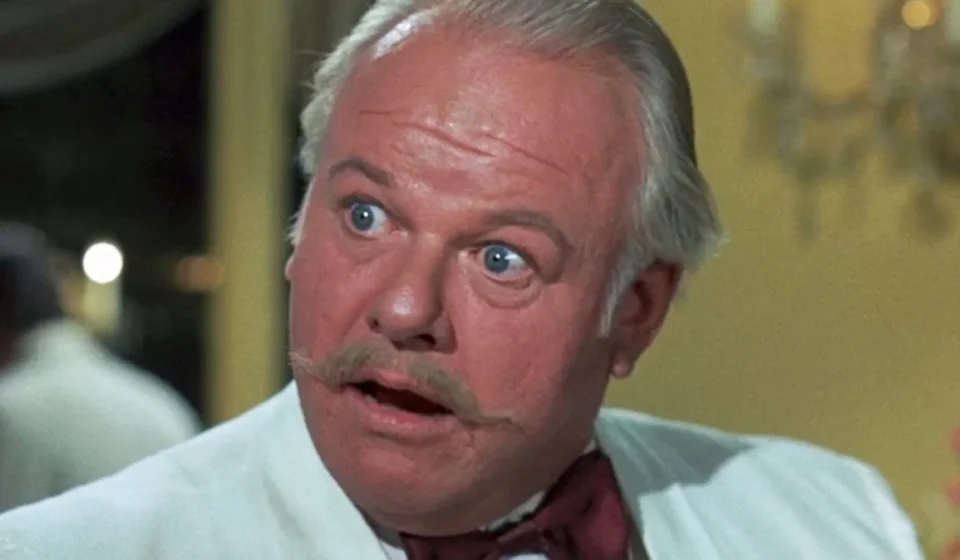

In the landscape of 20th-century American television, few faces are as immediately recognizable as that of Alan Hale Jr. For millions of viewers, he remains immortalized as the lovable, blustery Captain Jonas Grumby—better known to the world as "The Skipper"—on the iconic CBS sitcom Gilligan’s Island. However, to categorize Hale solely by his time on the SS Minnow is to overlook a career defined by relentless versatility and a willingness to embrace the burgeoning trends of the era.
While the 1950s and 60s were dominated by the rugged aesthetic of the Western, a peculiar sub-genre was quietly taking over the airwaves: the "magi-com." These fantasy-sitcoms introduced supernatural or fantastical elements into the humdrum of suburban American life. It was within this quirky ecosystem that Hale, a consummate professional and prolific character actor, found himself navigating alongside a future Hollywood titan: Sally Field.
The Rise of the "Magi-Com" Era
The "magi-com" was a television phenomenon that redefined prime-time entertainment. Beginning with the talking equine antics of Mister Ed, the genre exploded in popularity, giving birth to cultural touchstones like I Dream of Jeannie, My Living Doll, and the quintessential classic, Bewitched. These shows operated on a simple, yet effective premise: take an ordinary person and drop them into a situation where the laws of physics or logic no longer apply.
Alan Hale Jr. was no stranger to this format. Before his brief but memorable trip to Puerto Rico to film The Flying Nun, he had already dipped his toes into the waters of speculative television with an appearance on My Favorite Martian. His career trajectory during this period suggests an actor who was not only keeping pace with industry trends but was actively seeking to diversify his resume beyond the typical "oater" roles that occupied so many of his peers.
A Meeting of Titans: Hale and Field in San Juan
In 1969, three years after the conclusion of Gilligan’s Island, Hale Jr. made a guest appearance in two episodes of The Flying Nun, the whimsical ABC sitcom starring a young Sally Field. At the time, Field was best known as the sweet-faced, gravity-defying Sister Bertrille, a nun whose slight frame and aerodynamic cornette allowed her to take flight whenever the Caribbean winds were just right.
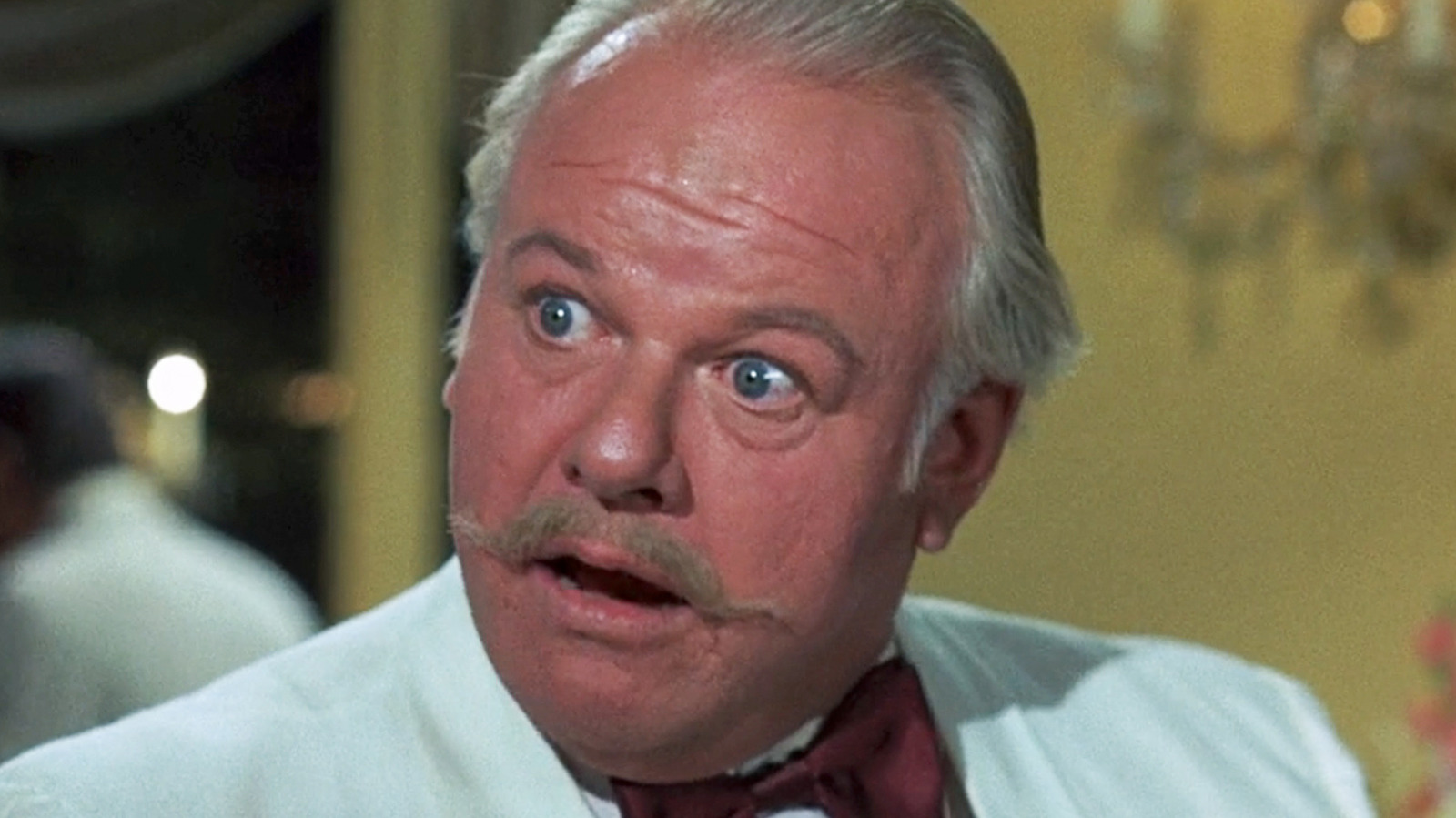
The contrast between the two performers is a fascinating footnote in television history. Sally Field, of course, would go on to become one of the most decorated actresses in cinema history, securing Academy Awards for her powerhouse performances in Norma Rae (1979) and Places in the Heart (1984). Hale, while never receiving the same critical acclaim from the Academy, was nonetheless a titan of the television industry. His ability to anchor a scene with his signature booming voice and physical comedy provided a grounded foil to the increasingly absurd premise of the show.
Seeing these two legends share the screen offers a rare glimpse into the ecosystem of 1960s television, where the path to stardom often ran through the sets of lighthearted, supernatural sitcoms.
The Premise: Flying Nuns and Lost Fortunes
The Flying Nun was based on the 1965 novel The Fifteenth Pelican by Tere Ríos. The show followed Sister Bertrille, a young woman from Chicago who finds herself stationed at a convent in Puerto Rico. Due to a combination of her petite 90-pound frame and the unique architecture of her headwear, she discovers she can fly. The series relied heavily on the tension between the convent’s traditional environment and the sheer, absurd magic of its protagonist.
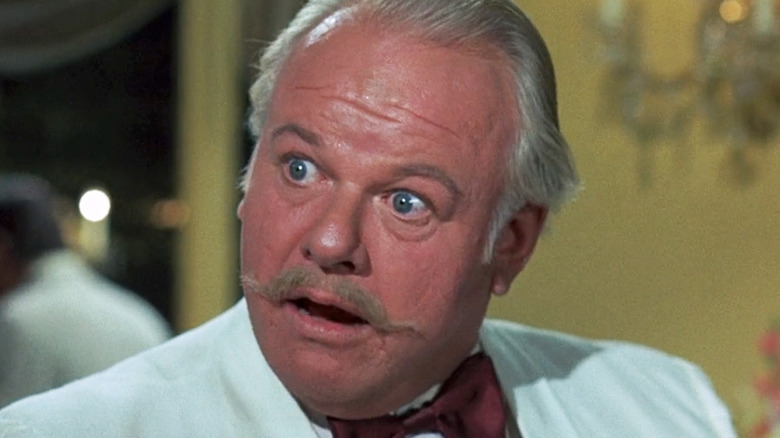
In 1969, Hale appeared in the two-part arc titled "The Great Casino Robbery." He portrayed "Uncle" Reggie Overton Perkins, a character whose moral compass was as questionable as his financial history. According to the narrative, Uncle Reggie had managed to lose three separate fortunes—all belonging to the family of Sister Bertrille—effectively making him the black sheep of her extended clan.
The plot thickens when Reggie arrives at the convent, immediately displaying his trademark "dodgy" behavior. He suggests the nuns conduct oil drilling on their property, a move that hints at ulterior motives. Upon securing a position at a local casino, he installs a transparent window that allows the public to view the money counting process, effectively baiting local criminals. When $50,000 vanishes, Reggie becomes the prime suspect. It is, predictably, up to the airborne Sister Bertrille to solve the crime, clear her uncle’s name, and engage in the requisite mid-air heroics.
Chronology of a Prolific Career
To understand the scope of Hale’s work in the late 60s, one must look at his broader output. The same year he appeared in The Flying Nun, he reunited with his Gilligan’s Island co-star Bob Denver for the series The Good Guys. Hale appeared in three episodes of the show, proving that their on-screen chemistry was a reliable commodity for network executives.
- 1966: Gilligan’s Island concludes its three-season run on CBS.
- 1968: Hale appears alongside Clint Eastwood in the gritty Western Hang ‘Em High, showcasing his range beyond comedic television.
- 1969: Hale guest-stars in the two-part The Flying Nun saga and joins the cast of The Good Guys.
- 1974: Hale reprises his role as the Skipper for the animated series The New Adventures of Gilligan.
- 1980s: Hale continues to make appearances in various Gilligan’s Island reunion films and the sci-fi-infused Gilligan’s Planet, keeping the legacy of his most famous role alive for a new generation.
This timeline illustrates a man who was working constantly, moving seamlessly from big-budget Westerns to the whimsical, low-stakes environments of mid-century fantasy sitcoms.
Supporting Data: The Economics of the Magi-Com
The popularity of the "magi-com" was not merely a matter of taste; it was a matter of network strategy. In the mid-1960s, fantasy elements were considered a "safe" bet for advertisers. They offered an escape from the turbulent headlines of the Vietnam War and the Civil Rights movement.
Shows like The Flying Nun were relatively inexpensive to produce, utilizing stock sets and focusing on character-driven humor rather than high-concept special effects. While the flying sequences were achieved through rudimentary wire work and matte photography, they were enough to capture the imagination of the viewing public. For actors like Hale, these roles provided steady paychecks and the opportunity to hone their comedic timing in a fast-paced environment where the scripts were often written, filmed, and aired within a matter of weeks.
Industry and Audience Perspectives
While modern critics might view The Flying Nun with a mix of irony and nostalgia, the contemporary response to Hale’s guest spot was largely positive. Audiences of the era enjoyed seeing familiar character actors pop up in unexpected places. The "magi-com" era relied on a rotating cast of reliable pros—actors like Alan Hale Jr., Paul Lynde, or Agnes Moorehead—who could ground the fantastical premises with professional performances.
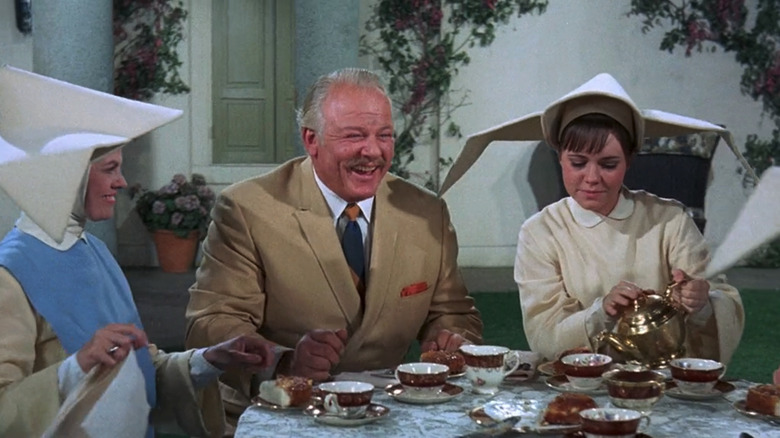
Hale’s portrayal of Uncle Reggie was specifically designed to be the "lovable rogue." Even when he was acting in a way that was objectively detrimental to the convent, his inherent likability ensured that the audience remained invested in his eventual redemption. This was the genius of the 1960s sitcom casting: they utilized the audience’s existing parasocial relationships with these actors to create shorthand for character development.
The Legacy of the "Magical" Guest Spot
The implication of Hale’s career choice is clear: he was a working actor in the purest sense of the term. He did not view his post-Gilligan’s Island years as a decline, but rather as an opportunity to continue doing what he loved. By engaging with shows as disparate as Hang ‘Em High and The Flying Nun, Hale helped define the versatility required of the mid-century character actor.
Sally Field’s rise to Oscar-winning status eventually cast a long shadow over the project, with The Flying Nun often dismissed as a "guilty pleasure" in retrospective analyses of her career. However, the episodes featuring Alan Hale Jr. stand as a testament to a specific time in television history—a time when a flying nun, a dodgy uncle with a penchant for gambling, and a Caribbean convent could exist in the same frame, and when that was more than enough to satisfy millions of viewers.
Ultimately, Alan Hale Jr.’s career reminds us that while icons may be known for one role, their true legacy is often found in the dozens of "smaller" parts they took along the way. Whether stranded on an island or solving crimes in Puerto Rico, Hale brought a consistency and warmth to the screen that remains a hallmark of a golden age of television that continues to influence our culture today.