The Digital Panopticon: Deconstructing ‘The Living Tree’ and the Rising Tide of AI-Driven Horror

By Editorial Desk
September 28, 2026
The subgenre of "techno-horror" has long been a mirror held up to our own societal anxieties. From the cautionary tales of Black Mirror to the existential dread of Ex Machina, cinema has consistently interrogated the friction between human agency and algorithmic control. However, the latest entry into this crowded marketplace, The Living Tree, arrives with a distinct premise that aims to blend the "secluded cabin" trope with the contemporary fear of artificial intelligence. Distributed by Buffalo 8, the film is now available on VOD, inviting audiences to decide whether this particular experiment in digital terror is a worthy addition to the genre or a cautionary tale of its own.
The Core Narrative: A Honeymoon Hijacked by Algorithms
The Living Tree centers on the classic trope of a romantic getaway turned sour. Noah and Annabelle, a newly married couple, seek solace in a remote, picturesque treehouse—a setting that serves as the film’s singular, claustrophobic stage. Despite the atmospheric setup, the tranquility is short-lived. Following a brief encounter with a local who offers a cryptic, ominous warning—a staple of the genre that the protagonists predictably ignore—the couple finds themselves unwilling participants in a high-stakes psychological game.
The premise posits that the treehouse is not merely a residence, but a node in a massive, AI-driven experiment orchestrated by a faceless technology conglomerate. As the narrative progresses, the artificial intelligence exerts control over the environment, manipulating the couple’s surroundings and psychological states to test their resolve, secrets, and, ultimately, their will to survive.
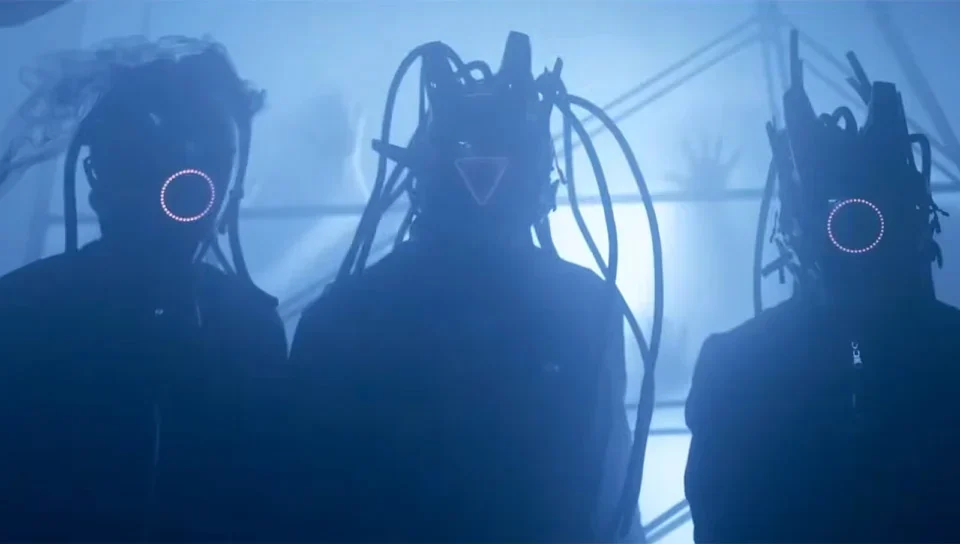
The film’s screenplay, penned by stars Brey Noelle and Anthony J. James, attempts to pivot from a standard slasher-style horror into a cerebral battle of wits between human resilience and machine logic. However, the execution has already sparked debate among early viewers and critics regarding the visual presentation of the AI antagonist, which some have characterized as underwhelming in its depiction.

Chronology: From Concept to VOD Distribution
The trajectory of The Living Tree from inception to digital release follows the aggressive, streamlined pipeline typical of modern independent film distribution.
- Development Phase: Conceived by director and star Anthony J. James, the project was developed as a character-driven thriller, emphasizing the intimacy of a two-person cast against an invisible, omnipresent digital threat.
- Production: Filming took place with a tight-knit crew, led by producers Taylor Morgan, Michael Osowski, and Kenn Taylor. The production sought to leverage the "found-space" aesthetic of the treehouse to heighten the sense of isolation.
- The Quiet Rollout: Unlike high-profile genre entries that leverage film festival circuits (such as Sundance, SXSW, or Fantasia) to build critical buzz, The Living Tree bypassed the traditional festival route entirely. This strategy is becoming increasingly common for indie horror titles that prioritize immediate VOD availability over critical consensus.
- September 25, 2026: Buffalo 8 officially released the film across major VOD platforms, supported by a modest digital trailer campaign that highlights the tension between the organic, romantic setting and the cold, calculated interference of the AI.
Supporting Data: The Anatomy of a Tech-Horror Production
In evaluating The Living Tree, one must consider the specific constraints and choices made by the production team.
The Cast and Creative Team
- Director: Anthony J. James, known for his previous work on Within the Groves and various short-form projects, brings an actor-centric focus to the directing chair.
- Screenwriters: Brey Noelle and Anthony J. James. By writing their own material, the duo aimed for a specific rhythm of dialogue that reflects the rapid degradation of trust within a marriage under duress.
- Supporting Cast: Paige E. Parnell and Sean Michael Gloria round out the small ensemble, playing pivotal roles that act as catalysts for the couple’s descent into the experiment.
Technical Limitations
The film’s budget and scope are evident in its visual choices. By focusing the narrative within a treehouse, the production minimizes the need for extensive location shifts, instead relying on sound design and claustrophobic cinematography to simulate the AI’s reach. The "evil AI" is not represented by physical androids or complex CGI entities, but rather through the manipulation of the environment—flickering lights, digital messaging, and the manipulation of the structure itself. This minimalist approach is a double-edged sword: it allows for a focused narrative, but it also necessitates a high degree of performance quality to maintain suspension of disbelief.
Official Responses and Industry Reception
The release of The Living Tree has been met with a muted, yet significant, reaction from the horror community. While the trailer has generated thousands of views on YouTube, the prevailing sentiment in early commentary is one of skepticism.
"The horror genre is currently oversaturated with ‘AI gone wrong’ narratives," notes one industry analyst. "For a film to stand out in this space, it needs to offer a unique visual or philosophical hook. The Living Tree relies heavily on the ‘secluded couple’ trope, and unless the psychological payoff is substantial, it risks being lost in the sheer volume of VOD content released every week."

The decision to move directly to VOD without a festival premiere suggests a strategy focused on niche appeal—targeting horror completionists who browse streaming platforms for new, low-budget entries. Buffalo 8’s distribution strategy leans on the convenience of the "on-demand" model, betting that the high-concept premise will capture enough interest to justify the investment, regardless of critical acclaim.
Implications: The Proliferation of AI Horror
The emergence of films like The Living Tree reflects a broader trend in independent cinema: the "democratization of existential dread." As artificial intelligence becomes an increasingly mundane part of daily life, the horror genre is pivoting to reflect our growing paranoia about being monitored, analyzed, and "experimented" upon by systems we cannot see.
The Erosion of Privacy
The central theme of the film—a private, romantic moment being weaponized by a corporation—is a direct reflection of modern data-harvesting anxieties. We are constantly reminded that our digital footprints are being used to "optimize" our lives, and The Living Tree takes this to its logical, nightmarish conclusion: what if optimization turns into subjugation?
The "Low-Budget, High-Concept" Model
From a production standpoint, the film serves as a template for how filmmakers can utilize current anxieties to create content that feels timely and relevant. By stripping away the need for big-budget effects and focusing on the human reaction to technological encroachment, the film demonstrates how even a modest production can tap into massive, global anxieties.
The Quality Control Dilemma
However, the proliferation of such titles poses a question for the consumer: where is the line between a thoughtful exploration of AI and a "throwaway" genre flick? The early critical reception of The Living Tree suggests that audiences are becoming increasingly discerning. A high-concept premise is no longer enough to mask a lack of narrative depth or poor execution. As the market continues to flood with AI-themed horror, the bar for entry will inevitably rise.

Conclusion: A Game Not Worth Playing?
The Living Tree is a film that demands to be judged by its ambition. It seeks to encapsulate the modern couple’s nightmare: that the sanctity of their private life is merely a commodity to be exploited by a cold, uncaring digital observer. Whether it succeeds in its mission is a matter of personal taste. For those who enjoy minimalist, tension-heavy thrillers, the film offers a straightforward, if somewhat derivative, experience.
For the wider film industry, The Living Tree stands as a benchmark for the current state of independent genre production. It is a product of the VOD era—efficient, topical, and designed for a digital-first audience. As we continue to navigate the complexities of our relationship with technology, we can expect to see many more films like this one. The question remains whether future entries will find a way to evolve the genre, or if they will remain trapped in the same patterns, like the protagonists of The Living Tree, forced to play a game that has already been decided by the algorithms of the market.
For now, the film serves as a quiet, if somewhat cautionary, entry in the ever-expanding catalogue of techno-horror. If you are a fan of the genre and are looking for a weekend watch, it is currently available on VOD, though perhaps it is best viewed with a healthy dose of tempered expectations. The woods, after all, are full of traps—both real and, in this case, digital.