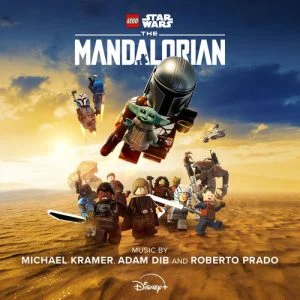
The Sound of the Galaxy: Inside the Soundtrack for ‘LEGO Star Wars: The Mandalorian’

Walt Disney Records has officially pulled back the curtain on the original soundtrack for the recently released Disney+ animated special, LEGO Star Wars: The Mandalorian. As fans continue to digest this humorous, brick-based reimagining of the beloved live-action series, the release of the score provides a deeper look into the creative auditory landscape crafted by a team of accomplished composers.
The special, which premiered on Disney+ this past Wednesday, offers a lighthearted, fast-paced retelling of the epic narrative arcs spanning all three seasons of the original Mandalorian series. By pairing the technical proficiency of veteran Star Wars composers with the whimsical, high-energy tone of the LEGO brand, the team has delivered a soundtrack that bridges the gap between cinematic gravity and playful animation.
A Collaborative Composition: Meet the Musical Architects
The score for LEGO Star Wars: The Mandalorian is the result of a creative triad featuring Michael Kramer, Adam Dib, and Roberto Prado. Each of these composers brings a wealth of experience in the animation and gaming spheres, particularly within the Star Wars and LEGO ecosystems.
Michael Kramer: The Veteran Voice
Michael Kramer, a mainstay in the world of animated scores, is no stranger to the Lucasfilm aesthetic. Having previously contributed his talents to LEGO Star Wars: Terrifying Tales and LEGO Star Wars: Summer Vacation, Kramer has effectively become a guardian of the LEGO Star Wars sound. His portfolio, which includes He-Man and the Masters of the Universe and The Ghost and Molly McGee, showcases his ability to balance high-stakes action with character-driven levity.
Adam Dib and Roberto Prado: New Dimensions
Joining Kramer are Adam Dib and Roberto Prado, both of whom possess significant credentials in the LEGO animation space. Dib, known for his work on LEGO Ninjago: Dragons Rising, brings a rhythmic complexity to the score that helps underscore the slapstick and kinetic nature of the special. Roberto Prado, fresh off his work on LEGO Star Wars: Rebuild the Galaxy – Pieces of the Past, provides the necessary connective tissue that ties this special to the broader Star Wars musical canon.
Together, the trio has synthesized a sound that manages to honor the iconic leitmotifs established by Ludwig Göransson and John Williams, while pivoting into a comedic, rhythmic style that feels distinctly "LEGO."
The Narrative Context: A Galactic Retelling
Directed by Chris Buckley and written by the meticulous Michael Price, LEGO Star Wars: The Mandalorian is more than just a promotional tie-in; it is a technical feat of condensation. Adapting roughly 24 episodes of live-action television into a short-form animated special requires a deft hand in both pacing and tone.
The Voice Talent Behind the Bricks
The project boasts an ensemble cast that bridges the gap between the live-action series and the animated medium. The voice cast includes:
- Rosario Dawson as Ahsoka Tano
- Katee Sackhoff as Bo-Katan Kryze
- Giancarlo Esposito as Moff Gideon
- Emily Swallow as The Armorer
- Taika Waititi as IG-11
- Bill Burr as Migs Mayfeld
- Timothy Olyphant as Cobb Vanth
- Ming-Na Wen as Fennec Shand
- Temuera Morrison as Boba Fett
This heavy-hitting lineup, supplemented by legendary voice actors like Eric Bauza and Steve Blum, provides the special with an authenticity that allows the comedic writing to land with maximum impact. The music serves as the glue for this ensemble, shifting rapidly between the tension of a Mandalorian standoff and the absurdity of a LEGO-animated mishap.
Track List Breakdown: From "This Is the Slay" to "The Power of Friendship"
The soundtrack album features 14 tracks that encapsulate the emotional and comedic beats of the special. The titles themselves, such as "This Is the Slay" and "Dancing Machine," reflect the tongue-in-cheek nature of the project.
- This Is the Slay (1:14) – A high-energy opening track that establishes the parody tone.
- Starfighter Showcase (1:18) – Focuses on the precision and technical flair of the ship combat sequences.
- The Story Begins (0:37) – An atmospheric entry into the condensed narrative.
- Peli’s Disguise (1:33) – A whimsical, character-focused piece centered on Peli Motto.
- Powers of Perspicacity (0:57) – A playful track highlighting the cleverness of the protagonists.
- The Armory (0:54) – A rhythmic track emphasizing the ritualistic aspects of Mandalorian culture.
- The Hunt Begins (0:48) – A classic chase-theme composition.
- The Way to Grogu (0:54) – A softer, melodic track focusing on the show’s emotional core.
- It Went Down Like This (1:08) – A percussion-heavy sequence for the special’s climax.
- Dancing Machine (0:49) – A departure from traditional Star Wars tropes into pure comedy.
- Pirates, Assemble! (1:18) – An orchestral build-up signaling conflict.
- Quite a Story (0:34) – A brief, narrative-focused interlude.
- For Mandalore (1:22) – The thematic centerpiece, echoing the epic scope of the series.
- The Power of Friendship (0:41) – A lighthearted, optimistic conclusion.
Supporting Data: The Evolution of LEGO-Star Wars Soundscapes
The release of this soundtrack marks an interesting data point in the evolution of the LEGO Star Wars franchise. Over the last decade, Lucasfilm and the LEGO Group have moved from simple product tie-ins to sophisticated, narrative-heavy media.
Historically, LEGO Star Wars scores relied heavily on "sound-alike" tracks that mimicked John Williams’ original themes. However, in recent years—specifically with the Rebuild the Galaxy event and these specials—there has been a conscious move toward original, brand-specific scoring. By employing professional composers like Kramer, Dib, and Prado, the producers are signaling a shift toward treating these shorts as essential, standalone components of the Star Wars library.
Implications for the Future of Disney+ Content
The success of LEGO Star Wars: The Mandalorian and its subsequent soundtrack release raises significant questions regarding the future of the Star Wars brand on Disney+.
Brand Flexibility
The ability to deconstruct a serious, gritty, and critically acclaimed series like The Mandalorian into a comedic LEGO format demonstrates the incredible flexibility of the Star Wars IP. It proves that the franchise can pivot between the grounded, western-inspired drama of Jon Favreau’s live-action world and the manic, family-friendly energy of LEGO animation without losing the essence of the characters.
Cross-Platform Synergy
The integration of music as a standalone product encourages cross-platform engagement. A fan who watches the special may be drawn to stream the music, which in turn leads to engagement with the wider Lucasfilm catalogue on Spotify, Apple Music, and Amazon. This "ecosystem approach" to content is a cornerstone of the modern Disney strategy, ensuring that viewers remain within the company’s walled garden of content for as long as possible.
The Composer’s Role in Parody
The work of Kramer, Dib, and Prado highlights a specific skill set in modern composition: the ability to compose for parody. This requires a deep reverence for the source material, as one must understand the original music perfectly to effectively twist it into something comedic. As more legacy properties receive "re-imaginings" or "special event" treatments, composers with this specific blend of reverence and creative flexibility will become increasingly valuable to major studios.
Final Reflections
LEGO Star Wars: The Mandalorian is a reminder that Star Wars is, at its heart, a playground for imagination. While the live-action series provides the gravitas and the lore, the animated specials provide the joy. The soundtrack, now available for streaming on all major digital services, captures that joy perfectly.
Whether you are a devotee of the orchestral majesty of the Star Wars saga or a fan of the lighthearted fun of LEGO, this soundtrack offers a unique perspective on a story we thought we knew. By layering complex arrangements over the simple, blocky imagery of the LEGO world, Michael Kramer, Adam Dib, and Roberto Prado have ensured that even in the world of plastic bricks, the Force—and the music—remains strong.
Listeners are encouraged to head to Amazon or their preferred digital music platform to experience the score in its entirety. As the tracks demonstrate, sometimes the best way to honor a legendary saga is to take a step back, hit the "play" button, and have a little bit of fun with the galaxy far, far away.