
For the past decade, the landscape of streaming has been defined by a race toward broad, generalized content—platforms attempting to be everything to everyone. Yet, amidst the sprawling libraries of mega-corporations, one niche titan has stood its ground, cultivating a loyal, global congregation of genre enthusiasts. Since its inception in 2016, Shudder has transcended the typical role of a streaming service to become a cultural cornerstone for horror fans. It is not merely a platform; it is a digital sanctuary where the macabre is celebrated, the forgotten are unearthed, and the community is nurtured.
The Evolution of a Genre Powerhouse: A Chronological Retrospective
The story of Shudder is the story of the modern horror renaissance. When it first launched in 2016, the digital streaming market was already crowded, but it lacked a dedicated home for the dark and the strange.
- 2016: The Genesis: Shudder arrived as a bold experiment. At a time when horror was often relegated to the "also-ran" categories of larger platforms, Shudder offered a curated, high-definition home for everything from silent-era German Expressionism to contemporary indie shocks.
- 2017–2019: The Golden Age of Discovery: As the platform grew, so did its ambition. It began bridging the gap between historical preservation and forward-thinking acquisition, securing cult classics while fostering original programming that would challenge the status quo.
- 2020–2023: The Great Expansion: During the global shift toward home entertainment, Shudder became a primary lifeline for fans. It solidified its reputation by championing international cinema—specifically Giallo masterpieces and high-concept foreign thrillers—that were previously inaccessible to casual North American viewers.
- 2024–Present: The Ecosystem of Terror: Today, Shudder functions as a full-spectrum horror ecosystem. It bridges the divide between theatrical releases and streaming debuts, supporting the theatrical circuit while ensuring that high-quality, genre-defining works find their audience on demand.
Curated Chaos: Why Shudder Outperforms the Algorithm
In an era governed by cold, calculated algorithms designed to push the most "palatable" content, Shudder remains a boutique experience. Its curation philosophy is rooted in human passion rather than data points.
Whether a viewer is hunting for the stylized, blood-drenched visuals of a Dario Argento Giallo, the atmospheric dread of The Others, or the visceral found-footage terror of recent hits like Hunting Matthew Nichols, the platform offers a "no-filler" catalog. Unlike competitors who treat horror as a seasonal "Halloween-only" marketing gimmick, Shudder treats the genre as a year-round, 365-day obsession.

This commitment to quality over quantity is evidenced by the platform’s diverse slate. Recent standout titles like The Cycle—a film that subverts the true-crime documentary format—and the forthcoming Unholy Night (December 4) and The Holy Boy (November 27) highlight a deliberate strategy: finding films that push the boundaries of the medium. Unholy Night has been hailed by critics as a "tender and gnarly" reinvention of the Evil Dead formula, while The Holy Boy is already being canonized as a modern masterpiece of folk horror.
Voices from the Abyss: The Dread Central Community Perspective
To truly understand the impact of Shudder, one must look at those who live and breathe the genre. We reached out to members of the Dread Central family to discuss why this platform has become their "home."
Ashliene McMenamy, a staple of our social channels, highlights the accessibility factor. "I got Shudder when I was in undergrad in 2016," she reflects. "I was always hungry for niche and foreign horror, and other streaming services just weren’t cutting it. Living in rural Pennsylvania, I couldn’t just pop into a local arthouse theater. Shudder made it possible to discover underseen gems that reminded me why I fell in love with horror in the first place."
For Anastasia Elfman, the platform serves a different purpose: that of a digital video store. "It’s a ghoulish playground of cinematic nightmares curated by horror fans, for horror fans," she says. "It feels like a trip down the horror aisles of a cool video store. From forgotten cult classics to killer indie oddities, it’s a treasure trove."

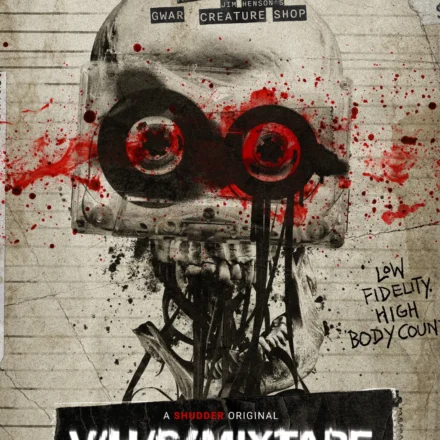
Caroline Colvin, whose writing on genre is marked by an infectious, high-energy enthusiasm, notes the freedom of the platform. "I love Shudder because it’s the only place where we can let our freak flag fly," Colvin notes. "It’s not just for October. Whether it’s the found-footage terror of V/H/S or the stylized, modern favorites like Forbidden Fruits, the selection feels like a cozy haunted house that just happens to know my taste perfectly."
The Industry Impact: Supporting the Theatrical Ecosystem
One of the most critical aspects of Shudder’s success is its refusal to cannibalize the theatrical experience. By championing a "theatrical-first" approach for many of its premium titles, Shudder has become a vital partner for independent filmmakers.
Recent titles such as Hellcat, Nightborn, and This is Not a Test illustrate this symbiosis. By supporting these films in theaters, Shudder helps build a buzz that naturally translates to high viewership upon their platform debut. This model ensures that the horror genre remains profitable and viable for independent directors who might otherwise be ignored by major studio systems.
Official Reflection: A Decade of Growth
Lead critic Matt Konopka recalls the skepticism that met Shudder at its launch. "When it was first announced, I found it hard to believe," Konopka admits. "A streaming service dedicated entirely to horror? I didn’t think it would last. I grew up in an era where the genre was demonized and dismissed. The fact that we now have a thriving community, bolstered by watch parties and a global library of content, is a testament to the fact that the hunger for horror is legitimate and immense."

Konopka emphasizes that the true value of the service lies in its community-building capabilities. "Through their watch parties, I’ve made friends who love horror as much as I do—something I didn’t think was possible when I was a kid being told that watching these movies would ‘turn me into a creature of the night.’ Well, they were right—I am a creature of the night, and I’m grateful to Shudder for providing the habitat."
Implications for the Future of Genre Media
The success of Shudder carries significant implications for the future of digital entertainment. It proves that there is a massive, untapped value in specialized, community-focused streaming. While the "Streaming Wars" continue to drive up prices for general-interest platforms, Shudder’s model suggests that audiences are willing to pay for quality, curation, and a sense of belonging.
The platform has effectively transformed the consumption of horror from a solitary act into a communal experience. By providing a platform for voices that are often ignored—such as foreign directors, independent creators, and sub-genre pioneers—Shudder ensures that the future of horror will be as eclectic and terrifying as its past.
Final Call: Why Now?
As we look toward the end of the year, the value proposition of Shudder has never been higher. With a current limited-time annual offer of $29.99 for a full year—averaging out to just $2.50 a month—the barrier to entry for the best horror library on the planet has effectively vanished.

For the price of a single coffee, subscribers gain access to a museum of the macabre, a vault of forgotten classics, and a front-row seat to the next generation of genre-defining cinema. Whether you are a "Monster Kid" looking for the next fright or a casual fan interested in the evolution of the genre, the doors are open.
Shudder is more than a subscription; it is an invitation to join a community of the dark-at-heart. As the nights grow longer and the air turns colder, there has never been a better time to lock your doors, dim the lights, and let the screams begin. Stay terrifying, and we will see you in the shadows.