
The wait for the ultimate Haddonfield experience is finally over. As the leaves begin to turn and the air grows crisp, the horror gaming community is bracing for the arrival of Halloween: The Game, a title that promises to redefine the asymmetrical horror genre. Developed by the genre-savvy team at IllFonic and co-published by IllFonic Publishing and Gun Interactive, the game invites players to step into the boots of cinema’s most iconic slasher, Michael Myers, or fight for survival as a "Hero of Haddonfield."
With an official digital launch set for September 8, 2026, on PlayStation 5, Xbox Series X|S, and PC, the hype has reached a fever pitch. Early access players have already begun terrorizing the streets, and if the recent wave of viral gameplay footage is any indication, the developers have pulled no punches when it comes to the macabre artistry of Michael’s signature kills.
The Art of the Kill: Analyzing the Brutal Finishers
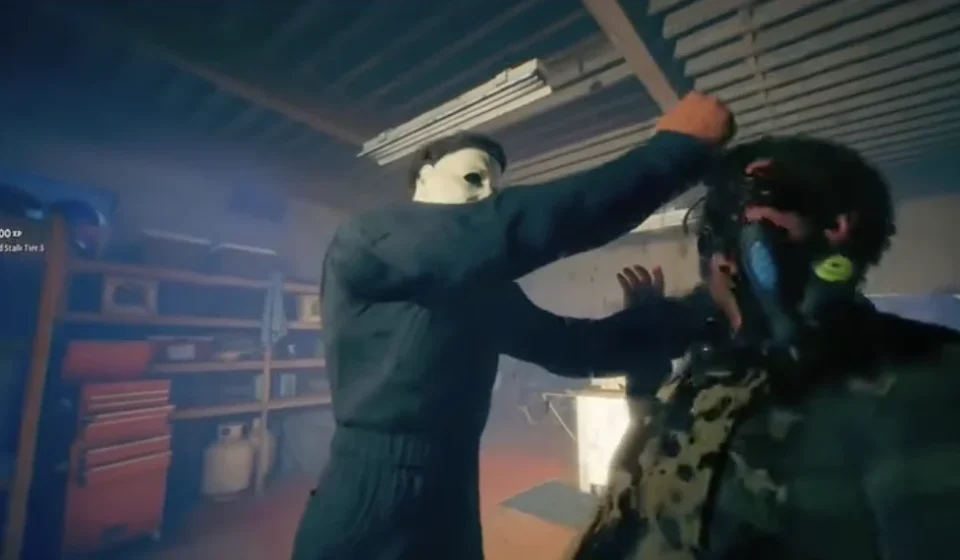
The most significant talking point surrounding Halloween: The Game is undoubtedly the sheer, unadulterated violence of its "finisher" animations. A recent compilation video curated by content creators Tasty Husbands has set social media ablaze, showcasing the gruesome imagination behind IllFonic’s design philosophy.
These finishers are not merely quick-time events; they are cinematic, visceral executions that lean into the legendary status of The Shape. The variety is staggering, ranging from environmental kills that utilize the suburban setting to intimate, knife-centric slayings that feel pulled directly from John Carpenter’s 1978 masterpiece.
A Catalog of Carnage
The clips reveal a developer clearly obsessed with the slasher subgenre’s roots. Among the most talked-about sequences:
- The Television Execution: A victim is shoved head-first through a glass television set, a nod to the era’s aesthetic that turns a household appliance into an instrument of death.
- Industrial Brutality: From using a running table saw to crushing a skull with a barbell, the finishers emphasize Michael’s sheer, inhuman physical strength.
- The Kitchen Nightmare: One particularly grisly finisher involves smashing a stand mixer over a victim’s head, while another sees a face pressed onto a searing hot stove burner.
- The Motorcycle Finisher: A highly stylized sequence where Michael drops a heavy motorcycle onto a victim, highlighting the game’s penchant for "ridiculously brutal" physics-based combat.
- Fire and Steel: In a display of calculated malice, Michael tosses a victim into a fire pit, retrieves his blade from the flames, and uses the glowing metal to finish the job.
These animations evoke the spirit of other legendary horror icons—even the carnage-loving Art the Clown would likely find the efficiency of these kills impressive. It is clear that IllFonic hasn’t just built a game; they have built a tribute to the legacy of the slasher film.
Chronology of Development: From Concept to Haddonfield
The journey to Halloween: The Game has been one of high anticipation and calculated secrecy. Following the massive success of Friday the 13th: The Game and the subsequent Texas Chain Saw Massacre title, the industry has been waiting for a studio capable of capturing the atmospheric dread of the Halloween franchise.
- Early 2025: Initial rumors began circulating about a high-budget, licensed Halloween project being developed under the IllFonic umbrella.
- Spring 2026: The official announcement trailer dropped, confirming that the game would focus on the 1978 original film, utilizing the authentic setting of Haddonfield.
- Summer 2026: Beta testing phases allowed a select group of fans to experience the 1v4 asymmetrical gameplay, providing critical feedback on balance and movement mechanics.
- September 4, 2026: Advance Access began for Digital Deluxe Edition holders, marking the first time the public could step into the shoes of The Shape.
- September 8, 2026: The global digital release date for all platforms.
This timeline reflects a fast-paced but focused development cycle, likely aided by the team’s previous experience with the asymmetrical horror formula. By sticking strictly to the 1978 timeline, the developers have ensured a level of aesthetic cohesion that fans have long demanded.
Supporting Data: Why Asymmetrical Horror Works
The "Asymmetrical Horror" genre has become a staple of the modern gaming landscape. The formula—typically one overpowered "Killer" vs. a team of "Survivors"—creates a unique psychological tension that traditional shooters or RPGs cannot replicate.
![Michael Myers’ ‘Halloween: The Game’ Finishers Are Fucking Brutal [Watch]](https://www.dreadcentral.com/wp-content/uploads/2026/09/Screenshot-2026-09-04-at-10.22.27-AM.png)
In Halloween: The Game, the mechanics are built around the concept of "The Shape." Unlike other games where the killer might sprint or perform acrobatic feats, Michael Myers is characterized by his relentless, walking pace. The developers have successfully gamified this: survivors must rely on stealth, environmental awareness, and coordination to survive, while the Michael player must rely on positioning, terror management, and the environment to isolate their prey.
According to early reviews, the game’s "Hero of Haddonfield" system adds a layer of depth, rewarding players for saving NPCs (non-playable characters) and securing the neighborhood, which directly influences the intensity of Michael’s pursuit. This mechanical loop ensures that no two matches play out the same way.
Official Responses and Creative Vision
The reception from the development team and the horror community has been overwhelmingly positive, though not without the expected "fair warning" regarding the game’s extreme content. Brad Miska of Dread Central noted that the sheer volume of carnage in the game is unlike anything previously seen in the genre.
IllFonic’s design director emphasized in a recent press statement that the goal was to make players "feel like the movie." By focusing on the 1978 setting, the team avoided the narrative pitfalls of the franchise’s later, more convoluted sequels. Instead, they focused on the singular, terrifying presence of Michael Myers.
"We didn’t want to make a game where you just run around and attack," the studio noted. "We wanted to make a game where you feel the dread of a shadow appearing in the doorway. The finishers are the reward for that patient, calculated hunt."
Implications for the Horror Gaming Industry
The release of Halloween: The Game carries significant implications for the future of horror titles.
- Licensing and Authenticity: The industry is seeing a shift toward "Prestige Horror" gaming. Developers are no longer just using a license as a skin; they are building entire mechanical systems that mirror the specific tone of the franchise they are adapting.
- The Death of the "Jump Scare" Crutch: By focusing on atmospheric, long-form tension and environmental finishers, Halloween moves away from cheap jump scares, suggesting that modern audiences are demanding a more sophisticated, visceral experience.
- Community-Driven Marketing: The fact that the most effective marketing for this game has come from community-compiled videos (like those from Tasty Husbands) shows that modern developers must design "shareable" moments—moments of gameplay that are so visually distinct and shocking that they demand to be clipped and shared on social media.
Conclusion: A New Standard for Terror
As the game enters its wide release, the consensus is clear: Halloween: The Game is a brutal, faithful, and technically impressive entry into the horror pantheon. It manages to capture the cold, clinical lethality of Michael Myers while providing enough mechanical variety to keep players engaged for dozens of hours.
Whether you are a die-hard fan of the 1978 original or a newcomer to the asymmetrical horror genre, the streets of Haddonfield are calling. Just remember: when you hear the heavy, rhythmic breathing behind you, there is no place to run. The Shape has arrived, and he is not leaving until the job is finished.
Halloween: The Game is available now for Digital Deluxe owners and will launch for all players on September 8, 2026, on PlayStation 5, Xbox Series X|S, and PC.