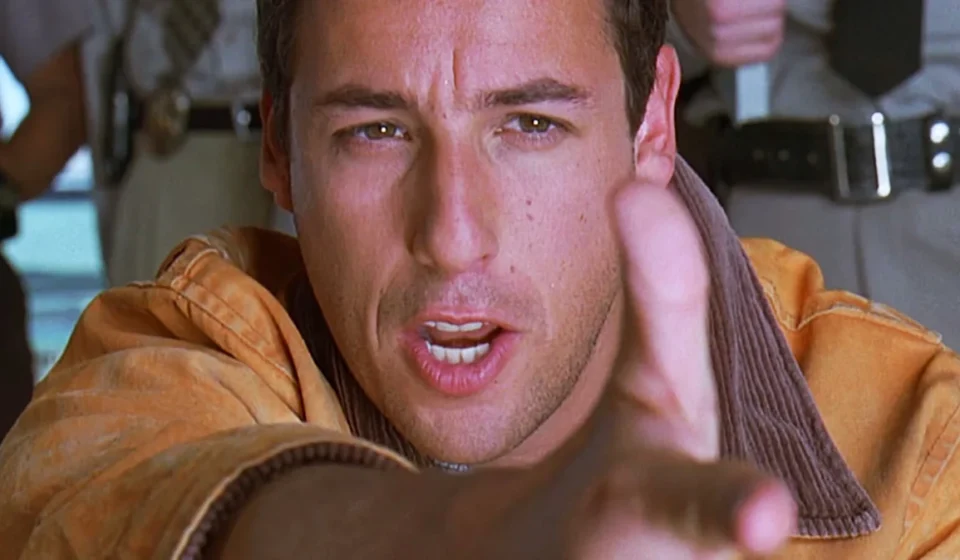

Three decades ago, the cinematic landscape was dominated by the high-octane energy of the "buddy cop" genre. From the polished chemistry of Lethal Weapon to the gritty charm of Midnight Run, the formula was simple: pair two mismatched leads, inject a high-stakes premise, and let the friction produce comedy and action. On September 6, 1996, Universal Pictures attempted to replicate this magic by pairing two of the most popular comedic voices of the decade—Adam Sandler and Damon Wayans—in the action-comedy Bulletproof.
Thirty years later, the film stands not as a forgotten gem, but as a cautionary tale of a production where the star power was unable to overcome a fundamental lack of creative cohesion. It serves as a reminder that even the most talented performers, when placed in the wrong project with a script lacking direction, can stumble into cinematic infamy.
The Premise: A Mismatched Pair Without a Spark
The plot of Bulletproof follows Archie Moses (Adam Sandler), a small-time criminal who unwittingly finds himself caught between the law and a dangerous drug kingpin, Frank Colton (played with typical gravitas by James Caan). The narrative catalyst is a classic trope: Moses’s best friend, "Rock Keats," is revealed to be Detective Jack Carter (Damon Wayans), an undercover operative who has been building a case against Colton for years.
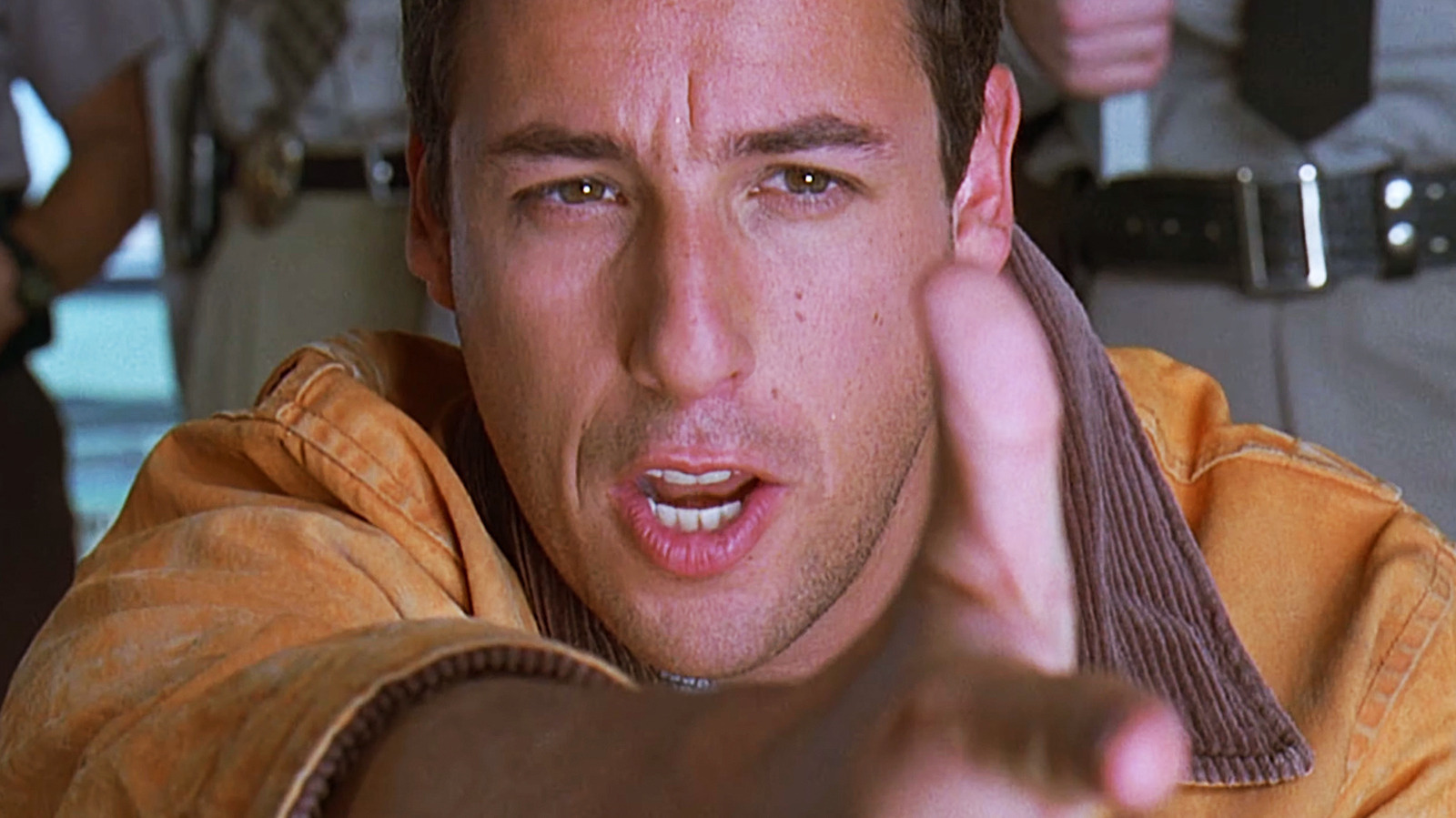
In the ensuing shootout, Moses inadvertently shoots Carter. Following a hospital stay, the two are forced into an uneasy alliance. Carter must transport the high-value witness across the country to testify against their former employer. It is a setup tailor-made for the "road trip" subgenre, yet the film fails to find a rhythm. Instead of the witty banter or the evolving respect typical of the genre, audiences were treated to a barrage of low-brow gags that felt out of sync with the high-stakes action sequences.
Chronology of a Production Failure
The failure of Bulletproof was not a sudden accident; it was a slow-motion collision of conflicting creative visions. By 1996, Adam Sandler was rapidly ascending as a comedic force, coming off the success of Billy Madison and Happy Gilmore. Damon Wayans, fresh from the cultural phenomenon of In Living Color and successes like The Last Boy Scout, was a seasoned pro who understood the mechanics of physical comedy.
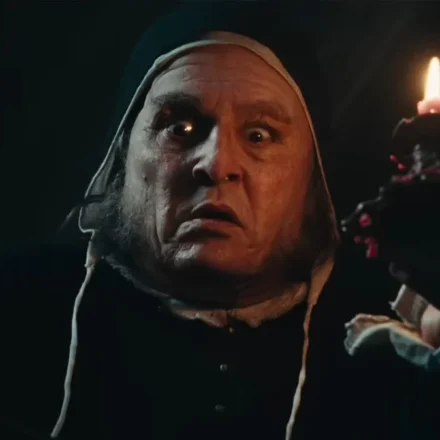
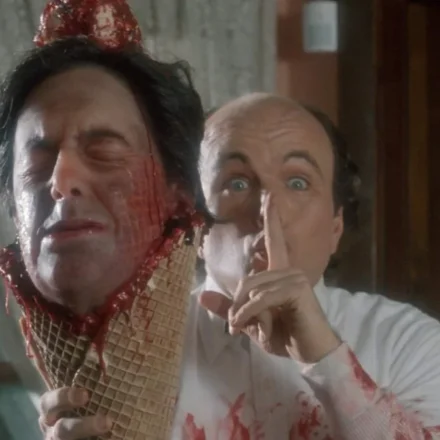
However, the appointment of director Ernest R. Dickerson signaled a tonal confusion. Dickerson, a master of dark, atmospheric thriller-horror such as Tales from the Crypt Presents: Demon Knight and the gritty Juice, was a curious choice for a lighthearted buddy comedy. Throughout the production, the lack of synergy between the director’s sensibilities and the actors’ improvisational styles became apparent.
In later years, the production has been described by those involved as a "lost" experience. Dickerson famously expressed in interviews that he would prefer to erase the film from his professional resume entirely. The shooting schedule was fraught with creative debates, and the final edit felt disjointed, struggling to balance the crude humor—which relied heavily on juvenile jokes about physical functions—with the more violent, action-heavy sequences required for a police procedural.
Supporting Data: By the Numbers
To understand the scope of the failure, one must look at both the financial and critical metrics of the film. Bulletproof was produced on an estimated budget of $25 million—a significant sum for a mid-budget comedy in 1996. It returned a meager $21.6 million at the domestic box office, failing to even recoup its production costs, let alone marketing and distribution expenses.
Critically, the film was eviscerated. It holds a dismal rating on Rotten Tomatoes, with reviewers at the time describing it as "preposterous" and "unfunny." While modern audiences have become more forgiving of the "Sandler-verse" (with cult classics like Billy Madison seeing a massive reappraisal), Bulletproof remains an outlier that even the most dedicated Sandler fans rarely revisit. It sits in the bottom tier of his filmography, often mentioned in the same breath as his most lambasted Netflix-era failures, such as The Ridiculous 6.
Official Responses and Behind-the-Scenes Friction
The silence from the principals regarding Bulletproof has been deafening over the last thirty years. While Sandler has gone on to become a critically acclaimed dramatic actor in films like Uncut Gems and Punch-Drunk Love, he has rarely referenced this specific project in promotional tours.
The primary critique leveled against the film by contemporary reviewers was the shocking lack of chemistry between Sandler and Wayans. Comedic chemistry is an intangible quality, yet in Bulletproof, it is conspicuously absent. Critics noted that Wayans—a performer capable of immense warmth and sharp wit—appeared visibly uncomfortable in many sequences. The script, written by Joe Gayton and Lewis Colick, leaned heavily on scenes where the two leads were physically chained together, a device that should have served as a springboard for character development but instead devolved into repetitive, mean-spirited physical gags.
Implications: The Legacy of a "Bad Movie"
Why does Bulletproof still matter 30 years later? It serves as a vital case study in the evolution of Adam Sandler’s career. Before the era of streaming platforms and the massive, algorithm-driven output of his Netflix deal, Bulletproof proved that even a star with an undeniable "it factor" could be neutralized by a project that didn’t play to their strengths.
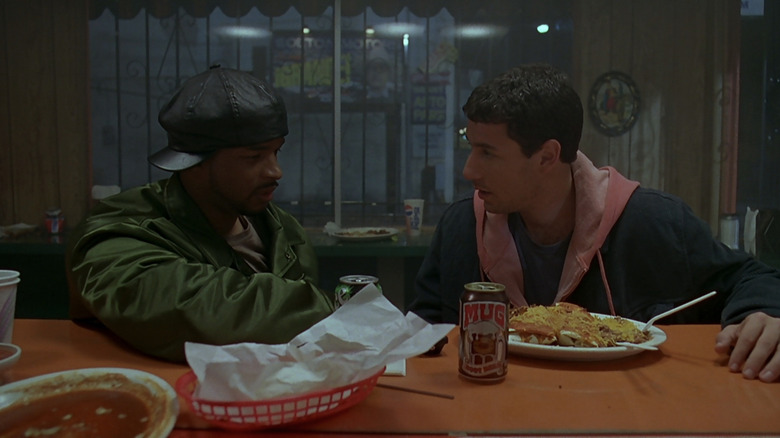
The film highlights a period where the industry was attempting to force "SNl-style" personalities into traditional action roles without sufficient structural support. The "buddy cop" genre, which relies on the audience caring about the bond between the leads, collapsed under the weight of a script that didn’t allow for any genuine emotional connection.
Furthermore, the negative reception of Bulletproof serves as a benchmark for the highs and lows of the nineties comedy era. It is a reminder that the "bad movie" is a unique genre of its own—one that, while not necessarily "enjoyable" in the traditional sense, provides a roadmap of what happens when talent is misaligned with material.
Conclusion: The "Bulletproof" Effect
Thirty years later, Bulletproof remains a fascinating, if painful, relic. It occupies a space in the cultural consciousness as a reminder of the volatility of film production. While Sandler would eventually find his footing, mastering both the absurd and the profound, Bulletproof stands as a stubborn reminder of his early career missteps.
As we look back, the film doesn’t just represent a "bad" movie; it represents a missed opportunity. It was a film that had all the ingredients for a box-office smash—a rising superstar, a seasoned comedic veteran, and a tried-and-true genre format—yet it failed to find a soul. For students of cinema and fans of Adam Sandler, Bulletproof is not a film to watch for entertainment, but rather a film to study for the mechanics of failure. It remains, perhaps, the most egregious example of how a buddy comedy can lose its way when the "buddies" never truly arrive on set.