The Calculated Metamorphosis of Sandra Hüller: A Global Icon Redefines Stardom

After two prestigious tributes at the Telluride Film Festival, Sandra Hüller quietly exited the mountain retreat this past Sunday. Her destination was not a high-profile industry junket, but rather her home in Leipzig, Germany. There, she returns to the grounding realities of raising her 15-year-old daughter and navigating the creative demands of her local theater collective.
For the German actress, who has become one of the most sought-after talents in world cinema, this oscillation between the global spotlight and her quiet, private life in Saxony is a central tension. Hüller is currently recalibrating her relationship with fame, a status she earned through a series of critically acclaimed, boundary-pushing roles that have challenged the traditional architecture of Hollywood and European art-house cinema alike.
The Chronology of an Ascent
Hüller’s trajectory toward international superstardom has been as deliberate as it has been meteoric. While she had long been a respected figure in German theater, her global breakthrough arrived with the 2016 comedy Toni Erdmann. The film introduced audiences to her singular ability to blend awkwardness, intellectual rigor, and profound vulnerability.

The years that followed solidified her reputation as an actress of immense range. In 2023, she delivered two of the most significant performances of the decade: the Oscar-nominated lead in Justine Triet’s legal drama Anatomy of a Fall and the chillingly mundane, yet horrifying, portrayal of a Nazi wife in Jonathan Glazer’s The Zone of Interest.
By 2026, Hüller reached a new zenith. Her output for the year reflects a strategic diversification, balancing intimate European projects with the demands of major studio blockbusters:
- "Rose" (MUBI): Directed by Markus Schleinzer, this film saw Hüller win the Berlinale Silver Bear for her portrayal of a 17th-century war veteran living as a man. It remains one of the most demanding physical and emotional roles of her career.
- "Project Hail Mary" (Amazon/MGM): Representing her first foray into the blockbuster sphere, Hüller stepped into the role of Eva Stratt, the scientist tasked with the survival of the human race.
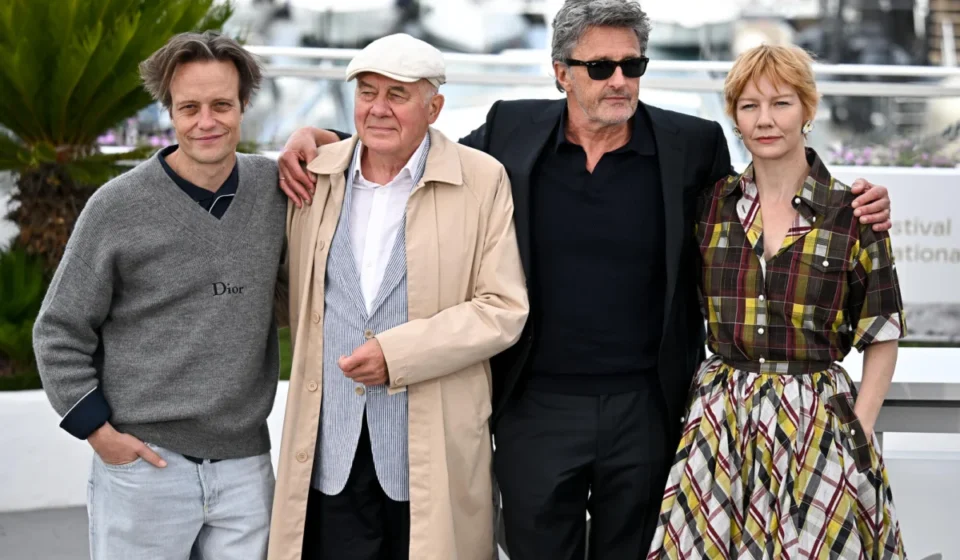
- "Fatherland" (MUBI): Premiering at Cannes, Pawel Pawlikowski’s latest work saw Hüller cast as Erika Mann, the intellectual and fiercely capable daughter of Thomas Mann, navigating a post-war landscape.
- "Work and Structure": Upcoming in Maria Schrader’s production, she is slated to portray German artist Wolfgang Herrndorf.
Defining the Craft: Intellectualism and Physicality
What distinguishes Hüller from her contemporaries is her refusal to rely on conventional acting tropes. Whether she is playing a 17th-century soldier or a modern-day scientist, her process is rooted in a total commitment to the internal logic of the character.

In Rose, she faced the complex challenge of playing a woman masking her identity to survive. "She has to have a 360-degree view of everything at all times," Hüller explained. "She should never come into a situation where she has to act in a rush. She’s coming from a long war. There’s a lot of damage, grief, and darkness inside that person. And what I love about her the most is that she’s able to transform it into something soft. I loved her for not becoming this harsh, hard, cynical person."
This sensitivity to character extends to her work in Fatherland. Discussing her portrayal of Erika Mann, Hüller highlighted the familial complexity of the Mann family, particularly the strained but deeply respectful relationship between Erika and her father. "When I read their letters to each other, they were schonungslos—they didn’t spare each other from criticism. They were open, but they were forgiving at the same time. When a loved person is dying, and they don’t agree on how to deal with it, that is devastating."
Bridging the Gap: From Art-House to Blockbuster
Hüller’s transition to the Hollywood studio system with Project Hail Mary serves as a case study in her adaptability. Far from the rigid, "delivery-oriented" environment she feared, she found the set of the Amazon/MGM blockbuster to be a space of unexpected freedom.

"Chris and Phil [Lord and Miller] are playful and open directors," Hüller noted. "They give a lot of space to explore things. And Ryan [Gosling] is somebody who loves that, too. So I never felt pressed into something that I don’t belong in."
A notable moment of spontaneity occurred during production when Hüller, known for her love of singing, was encouraged to perform a karaoke scene. Working with producer Amy Pascal, she helped select Harry Styles’ "Sign of the Times," a track that added a layer of emotional resonance to her character, Eva Stratt. It was an instance of Hüller infusing a massive, big-budget machine with her own creative instincts.
Implications: The Ethics of Stardom
Hüller’s meteoric rise has not come without a sense of loss. Her decision to step away from acting in the theater—now focusing her efforts on directing at her Leipzig theater group—stems from a fundamental shift in how she is perceived.

"Because the reception of my appearance on stage has changed through this public eye, I didn’t feel safe on stage anymore," she admitted. "The decision to go to the other side was a good decision because there’s so much to learn, and I enjoy it. I might go back, but I took some time to adjust my expectations."
This awareness of the "public eye" extends to her views on red carpet culture. While she works with a professional team—including Jordan Johnson Chung—to curate her public persona, she remains grounded in her personal preference for simplicity. "In my life, I like to get up and get out of the house without anything. It’s always a bit of an adjustment to make. But when we do it, it’s fun."
The "Responsibility" Trap
Perhaps the most significant implication of Hüller’s newfound status is her struggle with the expectations of the industry. As she balances upcoming promotional tours for films like Alejandro G. Iñárritu’s Digger, she remains fiercely protective of her agency.

"It’s a challenge to find the balance between your personal life and decisions," she said. "I don’t have a team around me when I’m at home. I have things to do. But I also want to help the films wherever I can. It’s hard for me to step away from that, like when a studio says, ‘But it’s your responsibility to be at that press day.’ No, it’s not."
This professional rigor is the hallmark of her career. Hüller is notoriously selective, often turning down scripts that lack substance. She is vocal about her disdain for projects that require her to artificially inject emotion into a hollow script. "I roll my eyes when I have to bring emotional value to a project that doesn’t genuinely have it. So if a script isn’t good, but I’m asked to make it good with acting, that’s something that I’m not here for."
Conclusion: The Path Forward
As Sandra Hüller looks toward the future—including her upcoming collaboration with Tom Cruise in Digger—she remains a rare breed of performer. She is an actress who has conquered the most prestigious film festivals in the world and successfully transitioned into the highest echelons of Hollywood, all without sacrificing the intellectual independence that defined her early career.

For Hüller, the work is not about the accolades or the red carpet fashion, though she navigates those with grace. It is about the "big topics"—the moral questions of privilege, the complexity of human relationships, and the search for truth in a character’s internal life. Whether she is in a blockbuster, a European period piece, or directing a play in a small German theater, Hüller remains, above all, a student of the human condition, perpetually refusing to let the machinery of fame dictate the terms of her art.