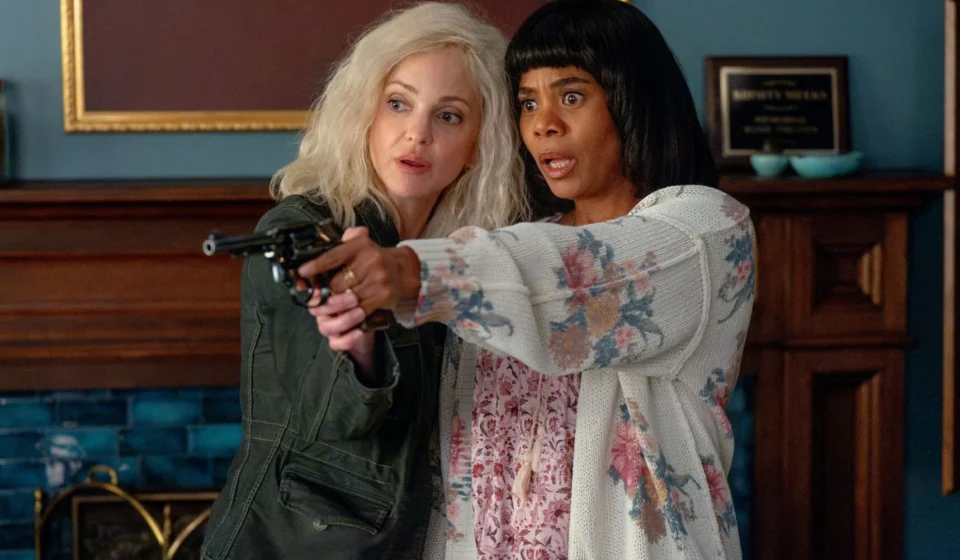

In the landscape of modern cinema, few franchises have possessed the cultural volatility and commercial staying power of Scary Movie. Twenty-five years after the original film shattered box office records, the Wayans family has returned to the genre they defined, delivering a new installment that—defiantly and pointedly—refuses to include a numeral in its title. Scary Movie (2026) is more than a revival; it is an act of reclamation, a legacy sequel that functions simultaneously as a high-octane horror spoof and a blistering critique of the Hollywood power structures that once alienated its creators.
The Politics of a Why the "6" Is Missing
The omission of the number "6" from the new film’s title is a deliberate act of institutional protest. Following a bitter compensation and creative control dispute with the Weinstein brothers in 2001, the Wayans family departed the franchise they birthed. Between 2003 and 2013, the studio pushed forward with three additional entries—Scary Movie 3, 4, and 5—produced entirely without the creative input of the original architects.
For the Wayans, these films were not merely sequels; they were a violation of their intellectual and creative legacy. Marlon Wayans has famously described the experience of watching the franchise continue in their absence as "watching your child become a crackhead." By titling the new film simply Scary Movie, the family is signaling a "soft reboot" that treats the middle trilogy as non-canonical, effectively purging them from the lineage of their work. This new entry centers its narrative meta-humor on the very grievances that led to their initial departure, blending the familiar, crass physical comedy of the original with an incisive, industry-facing critique of studio exploitation.
A Chronology of Subversion
To understand the significance of the 2026 reunion, one must look at the historical trajectory of the Wayans’ collaboration with Robert Townsend and the evolution of the "spoof" genre.
The Foundation: ZAZ and the Birth of the Spoof
The comedy team of David Zucker, Jim Abrahams, and Jerry Zucker (ZAZ) fundamentally altered the comedy landscape with Kentucky Fried Movie (1977) and the seminal Airplane! (1980). These films introduced the "hyper-dense" spoof: a rapid-fire, reference-heavy style that prioritized absurdity over narrative cohesion. As Jim Abrahams once noted, their work served as a deliberate counterprogramming to the heavy political atmosphere of the 1970s—a refusal to engage with the realities of Watergate or the Vietnam War, instead choosing to "elevate stupidity to an art form."
The Wayans/Townsend Revolution
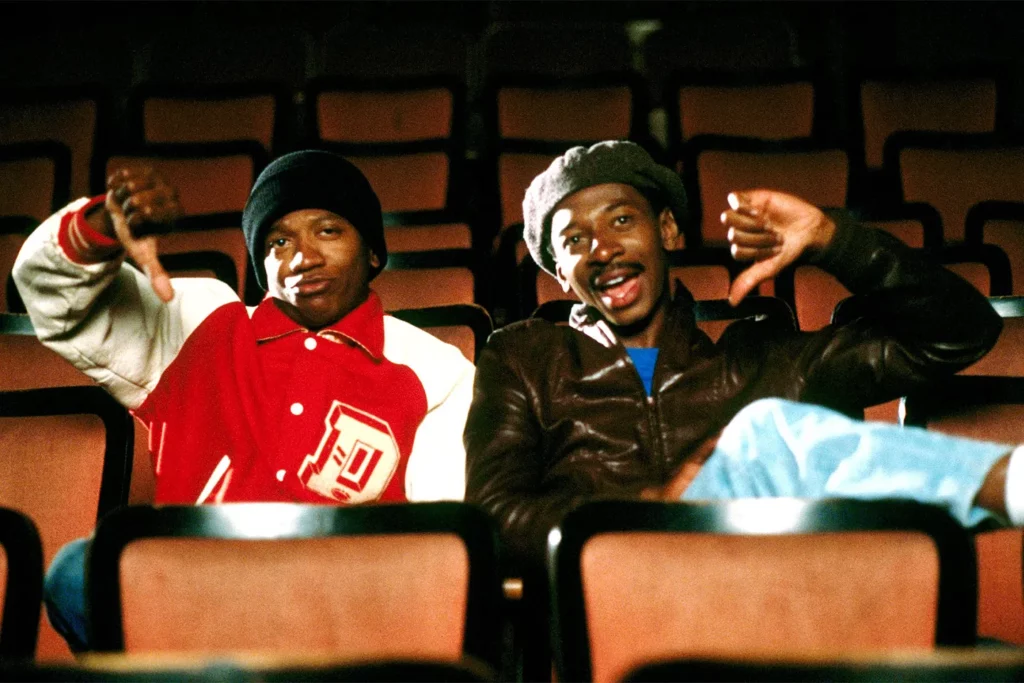
In the late 1980s, Robert Townsend and Keenen Ivory Wayans took the ZAZ template and injected it with the biting, unapologetic racial satire seen in The Richard Pryor Show. Their breakthrough, Hollywood Shuffle (1987), transformed cinematic parody into a tool for social commentary. By targeting the tired, racist tropes of Blaxploitation and the burgeoning "hood flick" genre, they utilized the spoof to expose the industry’s tendency to pander to Black audiences with limited, stereotypical narratives.
This culminated in In Living Color (1990–1994), a sketch show that acted as a "finishing school" for the Wayans brothers. It was here that the family perfected the art of the "call from inside the house"—the ability to critique Black culture while simultaneously skewering the white power structures that mediated its consumption.
The Peak of the Formula
This evolution led directly to Don’t Be a Menace to South Central while Drinking Your Juice in the Hood (1996) and finally the original Scary Movie (2000). The latter was a masterpiece of efficiency, turning a modest $19 million budget into a $278 million global phenomenon. It balanced "highbrow" film theory references with "lowbrow" gross-out gags, effectively using the slasher genre as a mirror to examine the systemic exclusion of Black characters—a trope famously highlighted by Roger Ebert’s observation that, in horror cinema, "the brother always dies first."
Anatomy of the 2026 Sequel: Legacy and Emotion
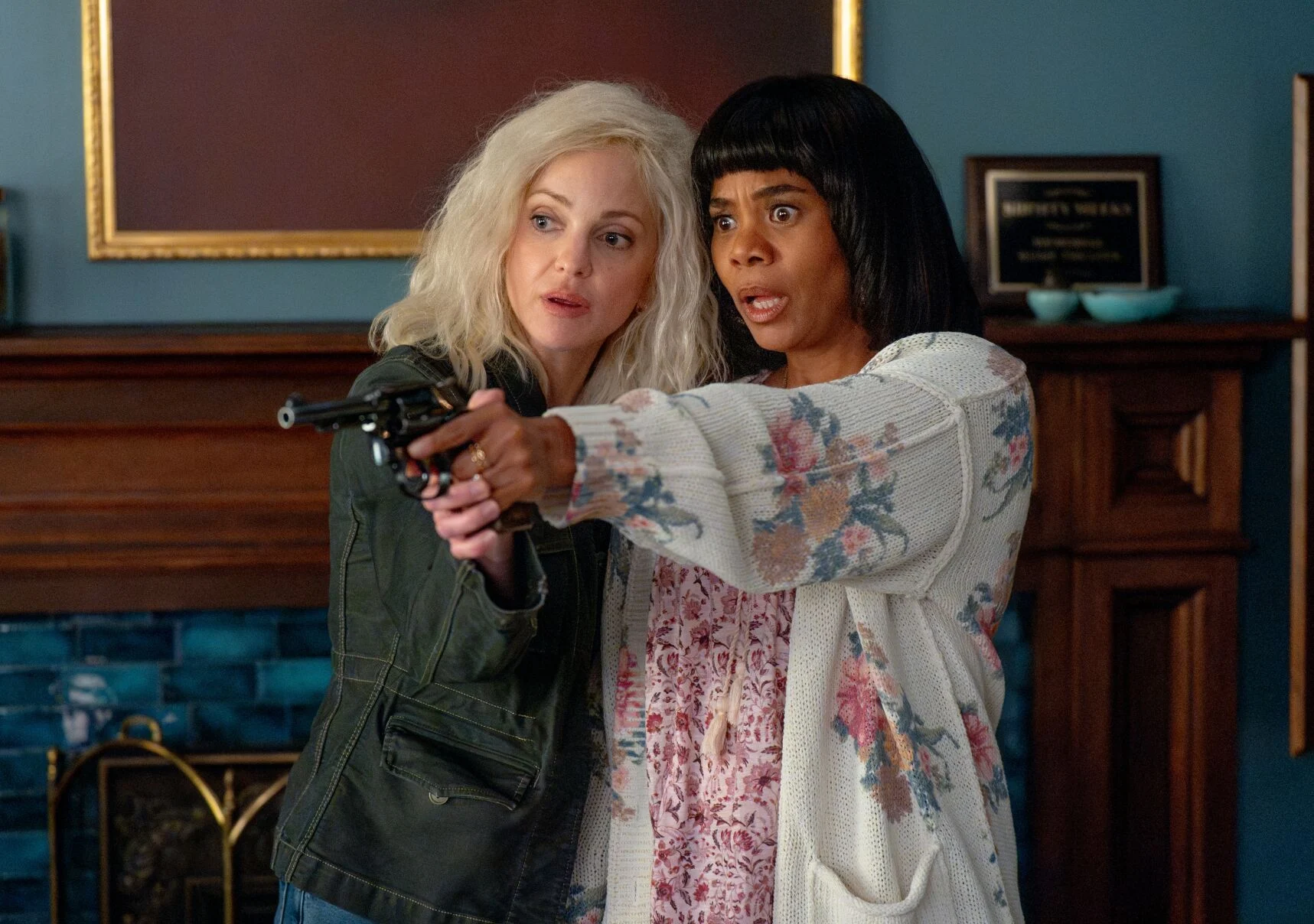
The current installment of Scary Movie retains the "offensive humor" that has defined the brand for four decades—a mix of fart jokes, slapstick, and boundary-pushing gags that continue to divide critics. However, the 2026 version introduces a "surprising wrinkle" in the formula: genuine sentiment.
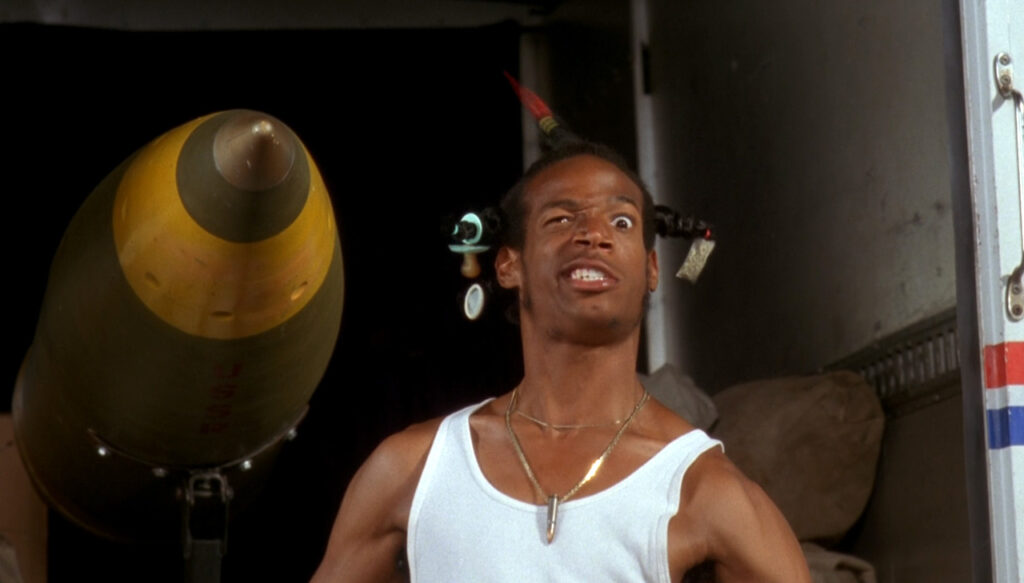
With nearly the entire original cast reunited, the film is punctuated by moments of palpable warmth. These are not merely actors returning to a paycheck; they are collaborators who have spent 25 years navigating an industry that frequently deems them expendable, now finding catharsis in their homecoming. The laughs are derived from "object-permanence callbacks"—references to both the original films and contemporary horror trends—but they are anchored by a newfound depth. Marlon Wayans, in particular, leans into this, using his status as the youngest brother to bridge the gap between the chaotic energy of the 2000 original and the more reflective, mature perspective of the present-day cast.
Supporting Data: The Commercial Engine
The commercial success of the franchise remains a testament to the audience’s enduring appetite for this specific brand of anarchy. The 2026 film generated $172 million in its first two weeks, a figure that signals a massive "return on investment" and almost certainly guarantees a future for the series.
Comparing this to the original’s $278 million lifetime gross (when adjusted for inflation and market reach), the new film is performing at a level that commands attention. Industry analysts note that while the "spoof" genre was declared dead several times in the early 2010s due to the influx of low-quality, straight-to-DVD imitators, the return of the original creators has successfully revitalized the brand. The numbers suggest that audiences are not just buying tickets for the jokes; they are buying into the return of the Wayans’ specific, auteur-driven brand of chaos.
Official Responses and Industry Implications
The film’s release has sparked a broader conversation about artistic freedom in Hollywood. During the press junket, Robert Townsend reflected on a pivotal conversation he once had with the legendary Sidney Poitier. When asked how he maintained his dignity during an era when respect was rarely afforded to Black artists, Poitier’s answer was simple: "I said no. I made sacrifices to do it, but I had the power to say no."
The Wayans’ journey—from their departure during the Weinstein era to their triumphant return—mirrors this philosophy. By walking away when the quality of the franchise was compromised, they maintained the power to dictate the terms of their comeback.
This arrival coincides with a shifting tide in Hollywood. Last year, Ryan Coogler’s Sinners—a film exploring themes of artistic freedom and the exploitation of Black art—grossed $370 million and secured a historic number of Oscar nominations. Whether this is a direct result of the trail blazed by the Wayans and Townsend remains a point of debate, but the correlation is undeniable. The industry is moving away from the "popcorn-only" consumption of Black trauma and toward a model that rewards creative agency and systemic critique.
Conclusion: The Future of the Spoof
Scary Movie (2026) is a testament to the resilience of the Wayans family. By refusing to let their franchise be defined by the middle years of the series—the years of the "crackhead" iteration—they have managed to restore the integrity of their work. They continue to piss and fart on genre conventions all the way to the bank, but they do so now with a sense of authority and finality.
As the film continues to dominate the global box office, the message to the industry is clear: the creators who defined the language of modern parody are back, and they have no intention of letting their legacy be hijacked again. The "spoof" may have been dismissed by critics for years as nothing more than low-brow entertainment, but in the hands of the Wayans, it remains one of the most potent vehicles for cultural critique in the American cinematic canon.