The Red Sea Film Festival Announces Strategic Hiatus: A Pivot Point for Saudi Arabia’s Cinematic Ambitions

In a move that has sent shockwaves through the global film community, the Red Sea Film Festival (RSFF)—the preeminent cinematic event and market in the Arab world—has officially announced the cancellation of its sixth edition. Originally slated for December 3–12, the festival will now remain dark until the fourth quarter of 2027. This decision marks a significant, albeit strategic, pause for an event that had rapidly cemented itself as a cornerstone of Saudi Arabia’s burgeoning cultural landscape.
The Red Sea Film Foundation, which oversees the festival alongside its year-round initiatives, characterized the move as a period of "renewed vision." While the sudden cancellation has prompted speculation, stakeholders suggest the hiatus is designed to facilitate a structural reconfiguration under new leadership, ensuring the festival aligns with the long-term objectives of the Kingdom’s Vision 2030 strategy.
A Chronology of Growth and Current Stasis
The trajectory of the Red Sea Film Festival is intrinsically linked to the seismic shifts in Saudi Arabian society. Established in 2019—just two years after the Kingdom lifted a 35-year ban on commercial cinema—the festival’s inaugural edition in 2020 served as a symbolic threshold for a country eager to diversify its economy and project a modernized image to the world.
Over the past five years, the RSFF evolved from a local showcase into an international powerhouse. By its 2025 iteration, the festival had attracted A-list talent, with industry icons such as Dakota Johnson, Uma Thurman, Ana de Armas, Queen Latifah, Vin Diesel, and Michael Caine gracing the red carpet. The 2025 edition, presided over by director Sean Baker, solidified the event’s reputation as a key destination for global film executives, attracting heavyweights from Netflix, Amazon, Disney, and the regional giant MBC to the Red Sea Souk, the festival’s bustling film market.
However, the current climate has proved challenging. The decision to step back follows a series of regional instabilities that have impacted major Saudi events. Earlier this year, the Saudi Arabian Formula One Grand Prix at the Jeddah Corniche Circuit was canceled due to regional conflict. The Kingdom is currently navigating a period of heightened tension involving Iran-backed Houthi rebels in Yemen. With recent security incidents, including a drone interception near Mecca—located just 50 miles from the festival’s home in Jeddah—logistical and security considerations have inevitably moved to the forefront of the Foundation’s planning.
The Vision of Faisal Baltyuor: Rebuilding the Ecosystem
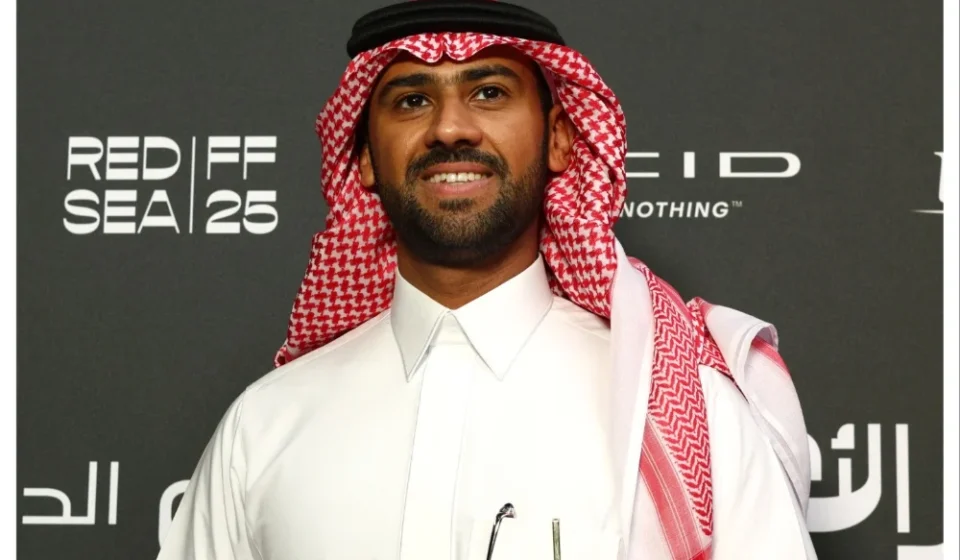
The current transition is being steered by Faisal Baltyuor, a pioneer of the Saudi film industry who assumed the role of CEO of the Red Sea Film Foundation in May 2025. Baltyuor’s leadership represents a departure from the previous administrative model. His tenure has been marked by a focus on "building an ecosystem" rather than merely hosting an annual event.
Sources close to the organization indicate that Baltyuor’s vision for the festival’s future had increasingly diverged from the operational style of former general manager Shivani Pandya Malhotra, whose departure in June left a significant leadership vacuum. Malhotra, who played an instrumental role in the festival’s infancy, was key to its rapid internationalization. Her exit, coupled with the need to define a new post-startup identity for the festival, has made the one-year hiatus a tactical necessity.
Baltyuor, who previously served as the head of Ithra Cinema and founded the distributor CineWaves Films, views the festival as just one component of a broader infrastructure. "The foundation is building an ecosystem," Baltyuor stated during the recent Lumiere Summit in France. His focus remains on the Red Sea Fund and the Red Sea Labs—two pillars of the organization that will continue to operate despite the festival’s temporary closure. Indeed, the influence of the Fund is already evident on the global stage, with 11 regional films supported by the Red Sea participating in the Venice Film Festival and eight in Toronto.
Implications for the Arab Film Market
The cancellation leaves a substantial void in the regional film circuit. The Red Sea Film Festival served as a primary launchpad for Arab cinema, with many productions requiring a regional premiere at the RSFF as a condition of their funding. Industry observers are now watching closely to see which festivals will absorb these titles.
The competition for these premieres is expected to be fierce. The Marrakech Film Festival (November 20–28), the nascent Doha Film Festival (November 19–27), Egypt’s El Gouna Film Festival (October 15–23), and the Cairo Film Festival (November 11–20) are all poised to vie for the influx of content.
Furthermore, the timing of the RSFF’s return in 2027 puts it in direct competition with the revived Dubai International Film Festival (DIFF), which is scheduled for December 8, 2027. The resurgence of the Dubai event, combined with the restructured Red Sea festival, suggests a competitive, high-stakes era for regional film dominance in the late 2020s.
Commitment to Continuity: The Culture Square Initiative
Despite the cancellation of the main event, the Foundation is adamant that its commitment to the film industry remains undiminished. To maintain momentum, the organization will introduce year-round programming at "Culture Square" in Jeddah, beginning this November. This initiative is designed to transform the location into an ongoing hub for film screenings, cultural discourse, and specialized industry training, ensuring that the local audience and the burgeoning Saudi filmmaking community are not left without a creative outlet during the festival’s hiatus.
In the official press release, the Foundation stated: "The decision follows a comprehensive review of a range of considerations relating to the timing of the next edition, including the logistical requirements involved in staging an international event of this scale. It reflects the Foundation’s commitment to ensuring the festival takes place at the right time and under the right conditions to deliver the experience for which the Red Sea International Film Festival has become known."
A Strategic Pivot for Vision 2030
The Red Sea Film Festival is more than a cultural event; it is a vital pillar of the Saudi Vision 2030 initiative. By moving away from an oil-dependent economy, the Kingdom has identified the creative industries—specifically film and television production—as essential engines for economic diversification and soft-power projection.
The decision to hit the "pause" button suggests a move toward sustainability. By stepping back, the Foundation is likely attempting to avoid the "burnout" that can accompany rapid scaling. The goal is to move away from the high-pressure, high-cost model of annual event-hosting toward a more permanent, integrated industry framework.
Baltyuor’s background in production and distribution suggests that the "new" Red Sea Film Festival will likely prioritize domestic content production and international co-productions over red-carpet celebrity spectacle. This shift aligns with the Kingdom’s broader goal of fostering a self-sustaining film economy where Saudi stories are not just consumed, but produced and exported globally.
Conclusion: The Road to 2027
While the cancellation of the 2026 edition is undoubtedly a disappointment for international distributors and filmmakers who had come to rely on the Jeddah event, the strategic logic behind the hiatus is clear. The Red Sea Film Festival is currently undergoing a "maturity phase." After the initial explosive growth of its first five years, the organization is pausing to replace key leadership, re-evaluate its operational strategy, and ensure its physical and administrative infrastructure can support the long-term vision of a global film hub.
As the industry looks toward 2027, the success of this transition will depend on whether the Foundation can maintain its relevance in an increasingly crowded regional market. For now, the focus shifts to the Red Sea Fund, the Labs, and the new year-round programming in Jeddah. The festival may be silent for a year, but the machinery behind it is far from dormant. The next chapter for Saudi cinema will be written not just in the glitz of the red carpet, but in the sustained development of the regional talent that the Red Sea Film Foundation is now, more than ever, committed to nurturing.