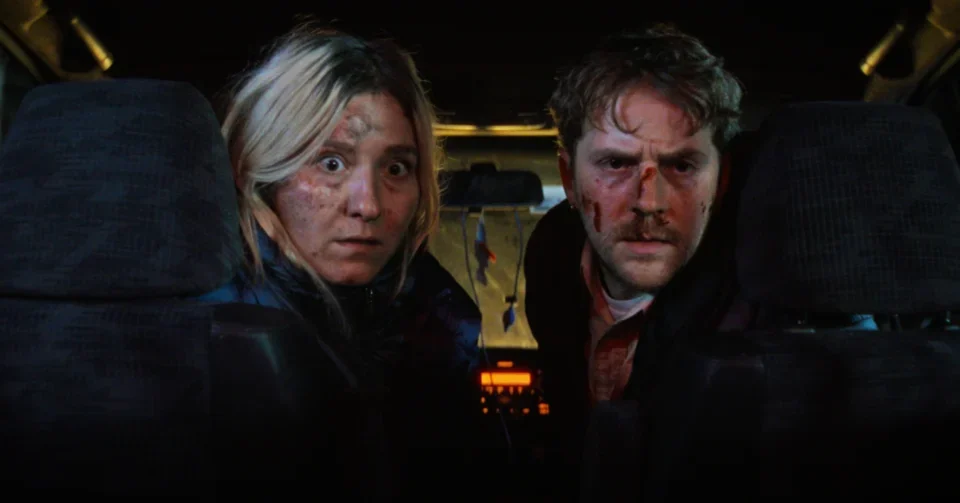

The 2026 Fantasia Film Festival has long been a breeding ground for the unconventional, the bizarre, and the next wave of genre-bending talent. This year, the festival’s most intriguing offering is Big Break, a meta-textual horror-comedy that marks the cinematic debut of the cult-favorite comedy troupe Simple Town. Directed by Ian Faria and penned by Samuel Lanier, the film serves as a high-stakes, blood-soaked examination of fame, friendship, and the soul-crushing nature of the digital content industry.
The Core Concept: When Friendship Meets Existential Dread
At the heart of Big Break lies a fictionalized reality. The film stars the real-life members of Simple Town—Caroline Yost, Felipe Di Poi Tamargo, Sam Lanier, and Will Niedmann—playing distorted versions of themselves. In this alternative timeline, the troupe’s collective fame has withered, leaving them as relics of a bygone YouTube era.
The narrative hook is deceptively simple: Sam Lanier, the only member of the group to achieve mainstream success, has become a Hollywood darling thanks to The Gummy Bear Movie, a soul-crushing, algorithm-friendly blockbuster that mirrors the worst tendencies of modern corporate filmmaking. While Sam lives the high life, replete with IV drips and industry sycophants, his former collaborators are left to languish in the wreckage of their failed creative dreams.
Driven by desperation and the hope of reigniting their careers, the trio tracks Sam down to his remote, woodland vacation home. Their goal? To beg, borrow, and scheme their way into a role in the upcoming Gummy Bear sequel. What follows is a masterclass in tension, where the pressure of professional survival begins to bleed into a visceral, genre-defying nightmare.
Chronology: The Anatomy of a Descent
The film’s pacing is intentional, designed to lure the audience into a false sense of security through the troupe’s signature "cringecore" humor.
- The Setup: The first act establishes the group’s dynamic. We see the stark contrast between Sam’s sterile success and his friends’ crumbling lives. Caro is caught in the indignity of living out of her vehicle; Will is struggling to maintain a facade of "cool-guy" relevance; and Felipe is navigating the social awkwardness of an age-gap relationship.
- The Arrival: The reunion at the cabin is fraught with subtext. The dialogue is rapid-fire, characterized by the veiled hostility and passive-aggressive maneuvering typical of people who have known each other for too long. The audience is invited to witness the group’s desperate attempts to prove their worth to their successful friend.
- The Escalation: As the group settles in, the film shifts gears. The arrival of a local serial killer—a threat that looms over the rural setting—serves as a catalyst for the film’s horror elements. The danger from the outside forces the internal resentments to the surface, transforming a reunion into a claustrophobic fight for survival.
- The Climax: As the body count rises and the boundaries between the "performative self" and the "true self" blur, Big Break descends into a visceral spectacle. The humor does not dissipate; rather, it darkens, becoming a sharp instrument used to dismantle the pretenses of the entertainment industry.
Supporting Data: Why ‘Big Break’ Matters for Digital Creators
The significance of Big Break lies in its commentary on the "creator economy." By utilizing a group like Simple Town, the film taps into a specific cultural zeitgeist. Fans of platforms like Dropout TV or the work of Josh Ruben will find themselves in familiar, yet elevated territory.
![‘Big Break’ Review: Uproarious Horror/Comedy [Fantasia]](https://www.dreadcentral.com/wp-content/uploads/2026/07/Screenshot-2026-07-16-at-10.17.27-AM.png)
The film serves as an essential case study for how digital comedy troupes can transition to the silver screen. Rather than attempting to recreate the aesthetic of their short-form content, Faria and Lanier utilize the budget and scope of feature filmmaking to add "splatter movie" stakes to their brand of humor.
Behind the Lens: The Creative Team
The production quality is bolstered by the involvement of industry veterans like Richie Doyle and Ani Schroeter. Their influence ensures that while the film remains a vehicle for Simple Town’s unique voice, it adheres to the structural requirements of a high-end horror-comedy. The cinematography, particularly in the sequences set within the cabin, captures the isolation and growing paranoia of the cast with a surgical precision that elevates the film above standard indie fare.
Official Responses and Industry Reception
Early reviews from the Fantasia Film Festival have been largely positive, highlighting the film’s ability to balance its meta-narrative with genuine horror. Critics have praised the cast for their willingness to lean into their own public personas, creating a "self-deprecating masterpiece" that invites the audience to laugh at the absurdity of the industry.
"The film doesn’t try to be Tucker & Dale vs. Evil," notes one attendee. "It is entirely comfortable in its own skin. It understands that the audience is here for the chemistry of the troupe, and it uses that chemistry to hold the horror elements together."
Industry analysts have pointed to Big Break as a potential blueprint for future content creators. The film suggests that the most successful transitions from YouTube to the theater involve a deconstruction of the creator’s online identity. By turning the lens on their own perceived failures and successes, Simple Town has created a narrative that feels both deeply personal and universally resonant.
The Implications: A New Era of Meta-Horror
The success of Big Break carries significant implications for the future of the horror-comedy genre. It signals a shift away from traditional tropes and toward a more introspective, character-driven style of horror.
![‘Big Break’ Review: Uproarious Horror/Comedy [Fantasia]](https://www.dreadcentral.com/cdn-cgi/image/width=788,height=444,fit=crop,quality=75,gravity=auto,sharpen=1,metadata=none,format=auto,onerror=redirect/wp-content/uploads/2026/07/Screenshot-2026-07-16-at-10.17.27-AM.png)
1. The Death of the "Safe" Career
The film serves as a biting critique of the modern obsession with virality. Through the lens of the fictional Gummy Bear Movie, the film asks: at what cost does success come? The implication is clear—in an industry that favors algorithmic content, the "big break" is often a trap.
2. The Power of "In-Jokes"
While Big Break is undoubtedly funnier for those who follow Simple Town’s digital history, it manages to remain accessible to the uninitiated. This balance is crucial. By keeping the rhythm of their humor consistent, the troupe invites new audiences into their world without alienating their loyal base. This suggests that the barrier to entry for cult-favorite creators is lower than previously thought, provided they have a strong narrative hook.
3. The Future of the Troupe
For Simple Town, Big Break is a proof-of-concept. It demonstrates that their comedic rhythm—the non-sequiturs, the sharp shifts in tone, the improvisational energy—can survive the transition to a longer, more structured format. Whether this leads to a series of feature films or a pivot into more traditional cinematic endeavors remains to be seen, but the industry is clearly taking note.
Final Thoughts: Is the ‘Break’ Worth It?
Big Break is not a perfect film. It lacks the seasoned polish of a veteran horror auteur and may struggle to find an audience outside of those already invested in the troupe’s work. However, its ambition is undeniable. It is a bold, messy, and consistently funny exploration of the desperate need for validation in a digital age.
By leaning into the discomfort of their own professional standing, Simple Town has managed to produce a film that feels both intimate and expansive. It is a reminder that horror is often at its most effective when it is rooted in the mundane anxieties of the human condition—the fear of being forgotten, the jealousy of a friend’s success, and the overwhelming, terrifying desire to be seen.
As the credits roll at Fantasia, one thing is certain: Simple Town has arrived. They may have started as a internet curiosity, but Big Break proves they are a force to be reckoned with on the big screen. Whether or not this film becomes a massive hit, it has succeeded in its most important mission: it has made the audience care. And in the crowded, often derivative world of modern horror, that is the biggest break of all.