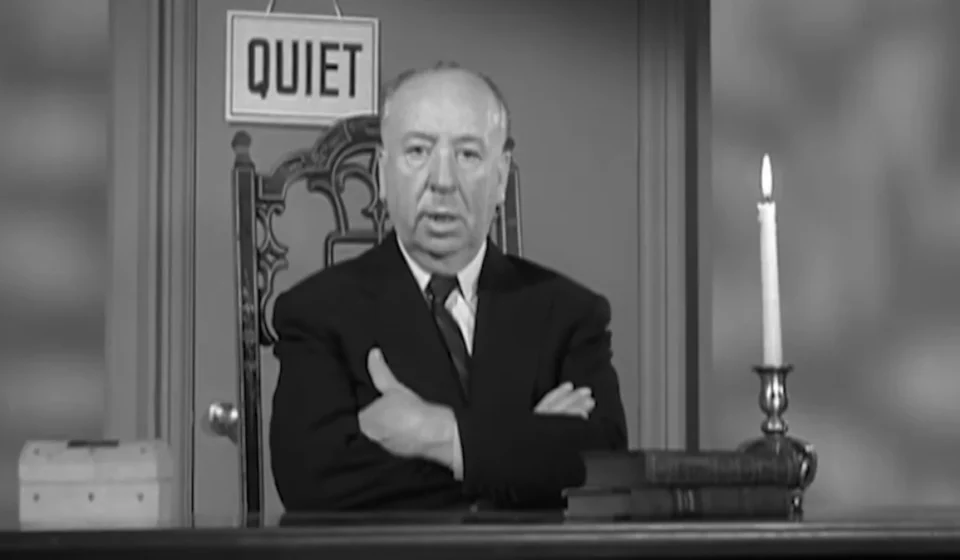

Alfred Hitchcock was not merely a filmmaker; he was a psychological architect who understood that the human nervous system is an instrument waiting to be played. Born in London in 1899, Hitchcock’s name has become synonymous with the very essence of cinematic tension. As the definitive "Master of Suspense," he spent over five decades crafting a filmography—spanning from the silent era to the gritty realism of the 1970s—that fundamentally altered the grammar of global cinema. From the brooding atmosphere of Rebecca to the shocking subversion of Psycho, Hitchcock’s work remains the gold standard for genre storytelling.
Yet, beyond his technical innovations, Hitchcock was defined by a singular, chilling philosophy: "Always make the audience suffer as much as possible."
The Genesis of Fear: A Childhood Trauma
To understand Hitchcock’s obsession with putting his viewers through the wringer, one must look at the formative trauma of his early life. In numerous interviews, the director recounted a haunting incident from when he was just five years old. His father, seeking to instill discipline, sent young Alfred to the local police station with a sealed note. Upon reading it, the desk sergeant ushered the boy into a holding cell and locked the door, stating simply, "This is what we do to naughty boys."
Though he was released mere minutes later, the psychological imprint was indelible. It gave Hitchcock a lifelong, visceral phobia of law enforcement and, more importantly, a profound understanding of how terrifyingly fragile our sense of safety truly is. He learned that reality can shift in a heartbeat; a mundane errand can turn into a nightmare without warning, and authority figures can become instruments of arbitrary cruelty. This lesson became the foundation of his career. Every film he directed was an exercise in externalizing that childhood terror, ensuring the audience felt the same vulnerability he experienced behind those iron bars.
The 1939 Yale Lecture: Defining the Craft
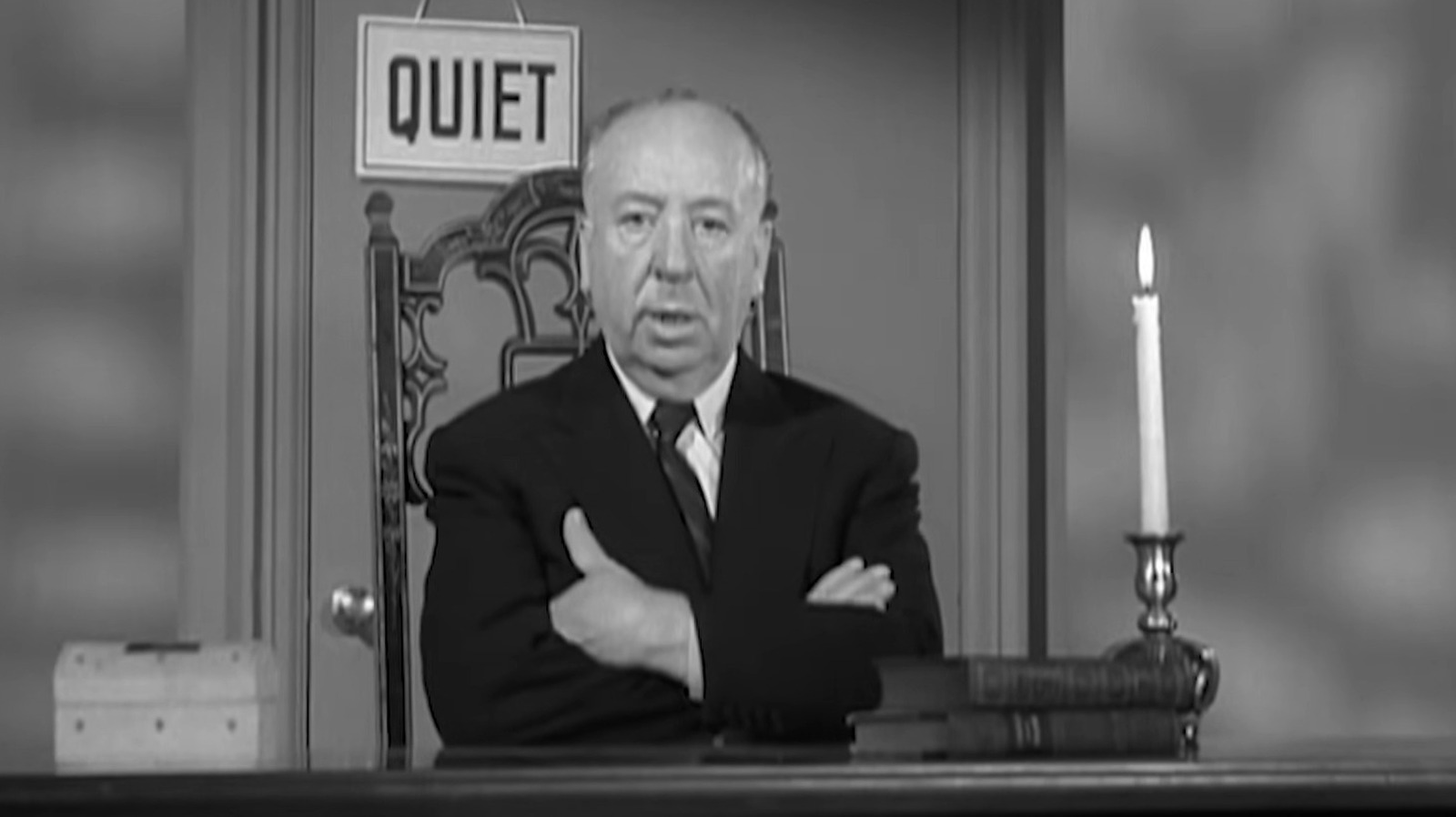
The famous dictum—"Always make the audience suffer as much as possible"—was delivered in 1939, during a pivotal moment in Hitchcock’s career. As he transitioned from his British roots to the American studio system to helm Rebecca, he stopped at Yale University to share his insights with film students.
While the quote sounds sadistic in isolation, it was, in reality, a masterclass in narrative efficiency. In the full context of his lecture, Hitchcock clarified his position: "Suspense can be introduced in a simple love story as well as the mystery or whodunnit picture. Make the audience suffer as much as possible."
For Hitchcock, suffering was not synonymous with gore or cheap jump scares. It was a rhythmic, calculated manipulation of empathy. He understood that the audience’s suffering is the direct result of their investment in the protagonist. If you care for a character, and you see a threat approaching that they are unaware of, you suffer. That tension—that gap between the character’s ignorance and the viewer’s knowledge—is the heartbeat of the Hitchcockian thriller.
The Mechanics of Suspense: Why We Keep Watching
Hitchcock’s films often feature characters who are trapped in circumstances beyond their control. This is the "wrong man" trope, perfected in works like The 39 Steps and reaching a somber, realistic zenith in 1956’s The Wrong Man. In the latter, starring Henry Fonda, the horror comes not from a masked slasher, but from the terrifying ease with which the machinery of society can destroy an innocent life.
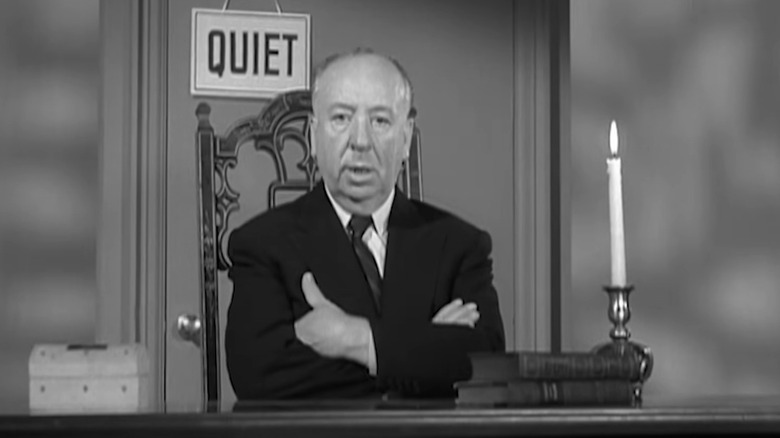
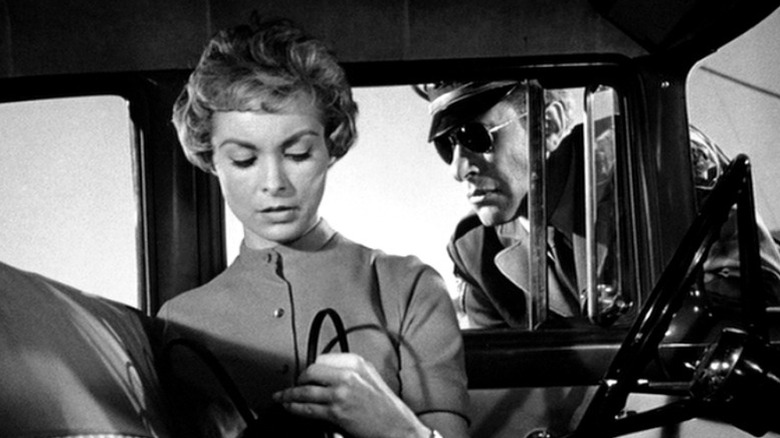
By stripping away the comfort of the "heroic cop" archetype, Hitchcock forced his audience to exist in a state of perpetual anxiety. In his universe, the police are rarely saviors; they are often the source of looming dread. Consider the infamous highway patrol scene in Psycho, where Marion Crane is interrogated by a suspicious officer. The camera lingers on his dark sunglasses, transforming a routine traffic stop into a moment of pure, suffocating terror.
This approach serves a dual purpose: it keeps the audience in a state of heightened arousal, and it mirrors the chaotic, unpredictable nature of the world as Hitchcock perceived it. When the audience feels that the protagonist has no safety net, their engagement with the screen becomes absolute.
Implications for Modern Cinema
The influence of Hitchcock’s philosophy cannot be overstated. When modern directors like David Fincher, Christopher Nolan, or Bong Joon-ho construct a scene of high tension, they are standing on the shoulders of the man who realized that "suffering" is the most effective tool for audience retention.
Modern blockbusters often rely on spectacle, but Hitchcock’s brand of suffering relies on the mundane. He taught the world that a staircase, a kitchen knife, or even a glass of milk could be weaponized to create an atmosphere of dread. By making the audience "suffer," he effectively forced them to confront their own anxieties. He didn’t want his viewers to sit back and be entertained; he wanted them to lean in, hold their breath, and wait for the hammer to fall.
A Legacy of Controlled Chaos
Throughout his career, Hitchcock maintained a public persona that was as carefully curated as his shots. He was known for his dry wit, his penchant for cameo appearances, and his gleeful, almost mischievous, discussion of his own macabre sensibilities. He knew that by presenting himself as the puppet master of his audiences’ emotions, he added another layer of intrigue to his films.
His ability to balance this playful, cynical personality with a profound, almost clinical understanding of human fear is what cemented his status as a cinematic pioneer. He didn’t just want to tell a story; he wanted to orchestrate an experience that lingered in the viewer’s subconscious long after the lights came up in the theater.
Conclusion: The Endurance of the Master
Alfred Hitchcock’s advice to "make the audience suffer" remains the single most important lesson for any student of the medium. It serves as a reminder that the most powerful tool in a filmmaker’s arsenal is not the budget, the lighting, or the cast—it is the emotional connection to the viewer.
By forcing us to wait, to worry, and to fear for his characters, Hitchcock ensured that we were never just passive observers. We became participants in his thrillers. We were trapped in the cells of our own imaginations, just as he had been in that police station at age five. And as long as his films are screened, that cycle of suspense and suffering continues, ensuring that the Master of Suspense remains, quite literally, the director who never lets us go.
Whether it is the frantic violin score of Psycho or the slow, agonizing realization in Rear Window that the neighbor is a killer, Hitchcock’s work proves that the most profound suffering in cinema is the kind that keeps us glued to our seats, waiting for the inevitable.