Crafting the Invisible: How DNEG Engineered the Spectacle of Citadel Season 2

When the second season of the high-stakes espionage thriller Citadel hit screens, audiences were treated to a seamless blend of pulse-pounding action and grounded, visceral drama. Behind the lens, the visual effects team at DNEG was tasked with a unique challenge: balancing large-scale digital destruction with "invisible" effects that preserved the emotional integrity of the performances.
In a deep-dive interview with DNEG VFX Supervisor Daniel Baldwin, the intricacies of the season’s most demanding sequences—ranging from a man engulfed in flames to orbital satellite destruction—are laid bare. The result is a masterclass in modern VFX production, where technical simulation meets creative storytelling.
The Foundation: Early Integration and On-Set Synergy
DNEG’s involvement in Citadel Season 2 was far from a traditional post-production hand-off. The studio was embedded in the creative process from the earliest stages of pre-production. This proactive approach was facilitated by a strong existing relationship between DNEG and the series’ Production Supervisor, Wesley Froud.
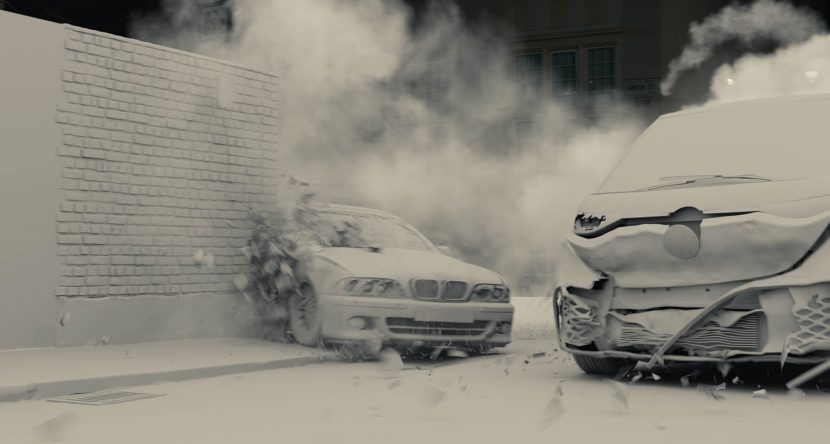
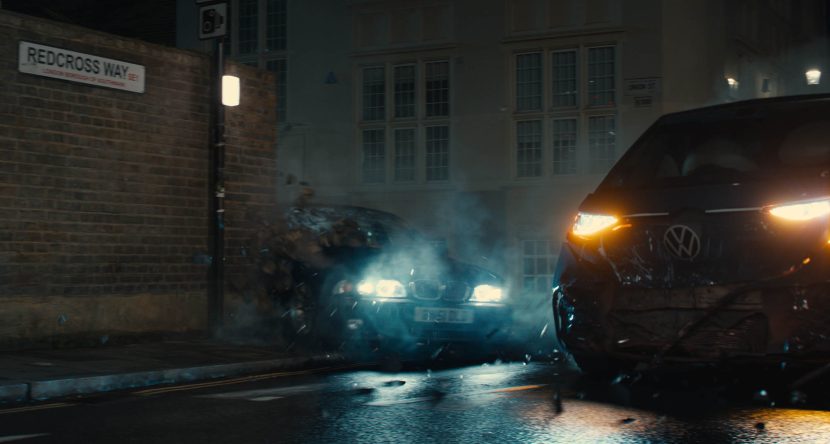
"Wes is very collaborative and always encourages technical and creative input from our side," Baldwin explains. By being involved early, the DNEG team could advocate for best practices regarding real-world data acquisition. This meant attending shoots with dedicated data capture teams to secure LiDAR scans, high-dynamic-range imaging (HDRI), and lighting references for complex environments like the CG-recreated Frankfurt sets and the high-octane car crash sequence.
By establishing this collaborative framework, the team ensured that the digital assets were built on a foundation of reality, rather than speculation.
The "Burning Man" Sequence: A Study in Emotional Realism
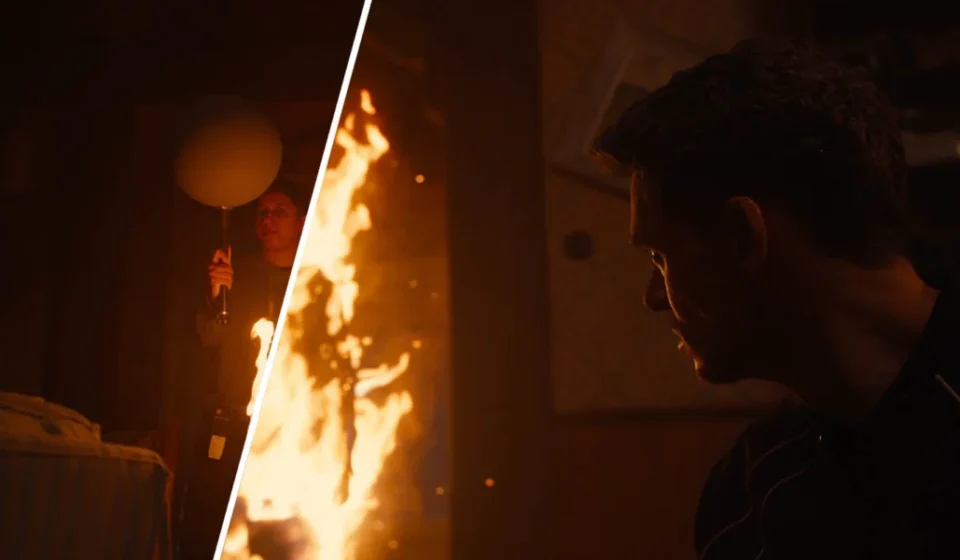
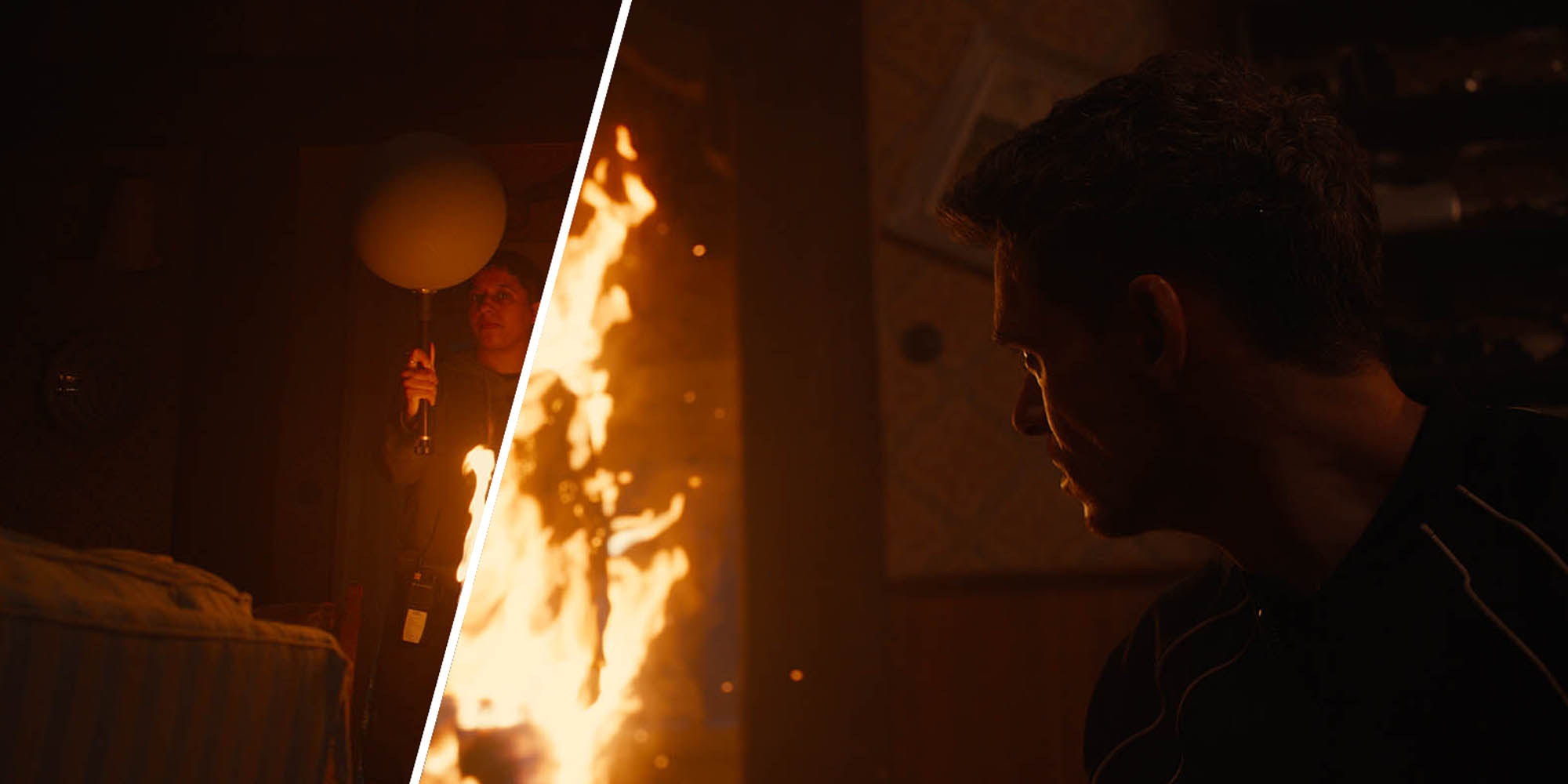
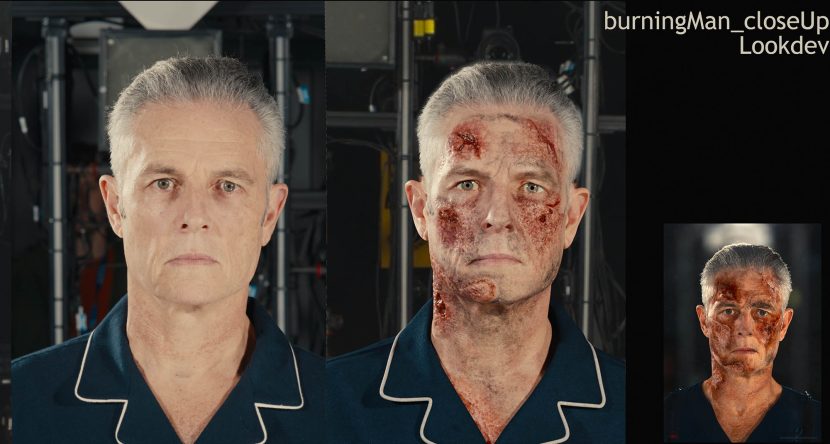
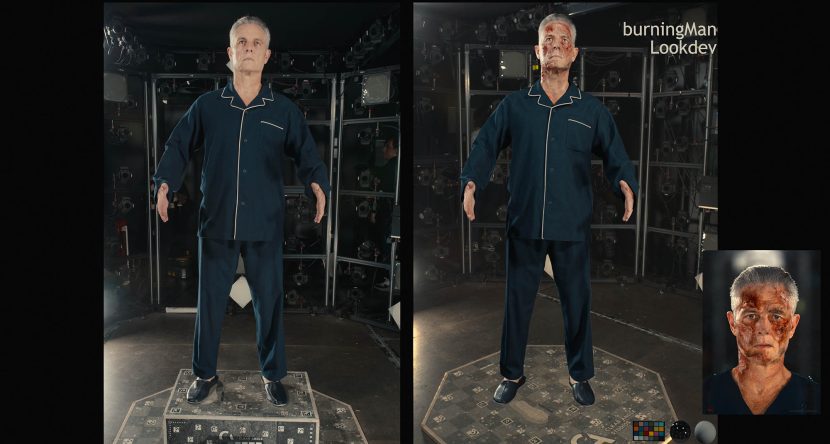
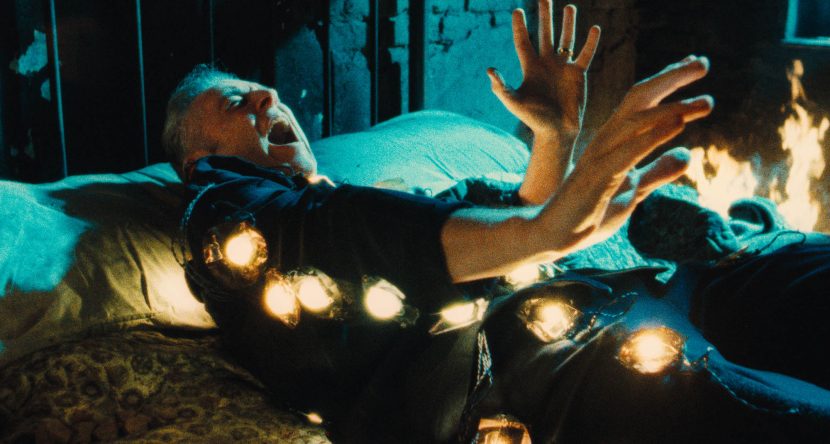
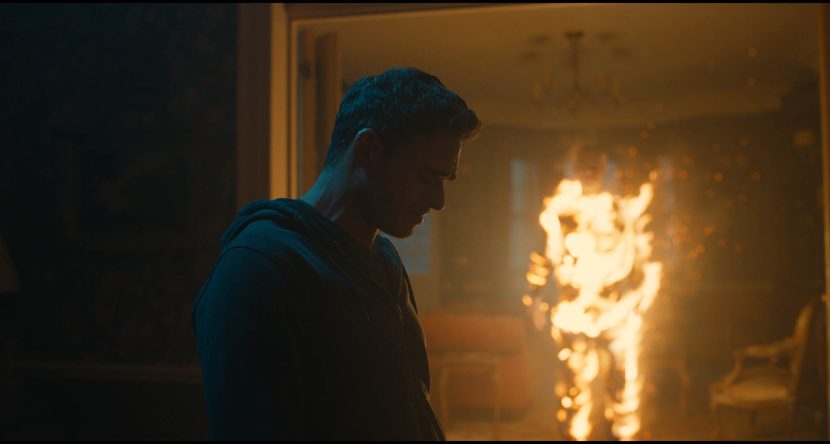
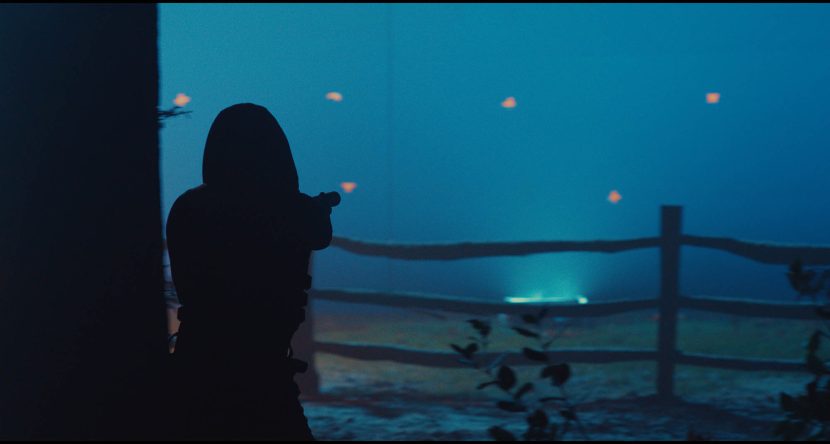
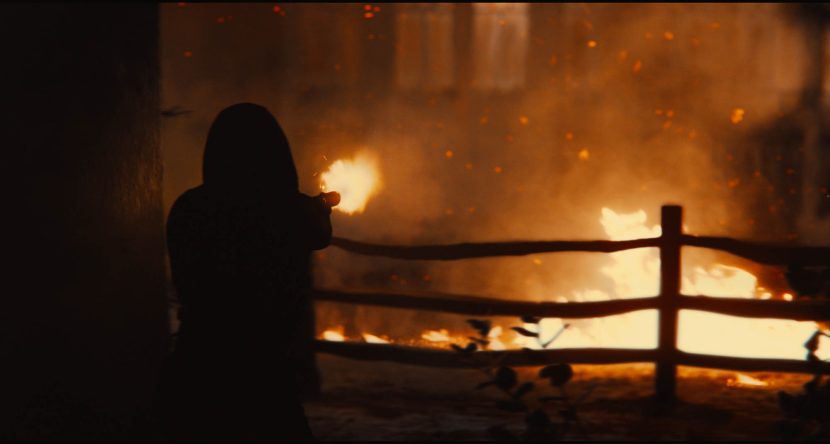
One of the most technically daunting tasks for the season involved the portrayal of Mason’s father, a character depicted as being engulfed in flames. The challenge was not merely technical—simulating realistic fire—but emotional. The visual effects had to enhance the scene without distracting from or replacing the actor’s performance.
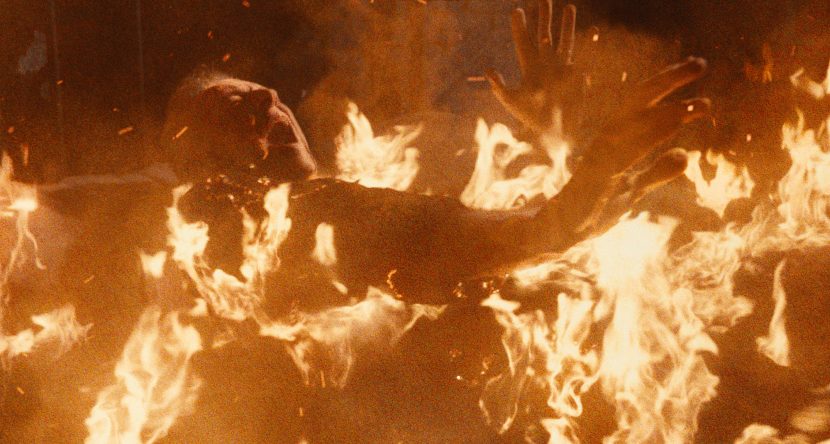
To achieve this, the team performed extensive research. They analyzed historical footage of stunt professionals set on fire to understand the physics of flame propagation, ember dispersal, and smoke dynamics. Froud’s team even conducted tests on mannequins dressed in the character’s specific pyjama costume to see how the fabric reacted to heat.
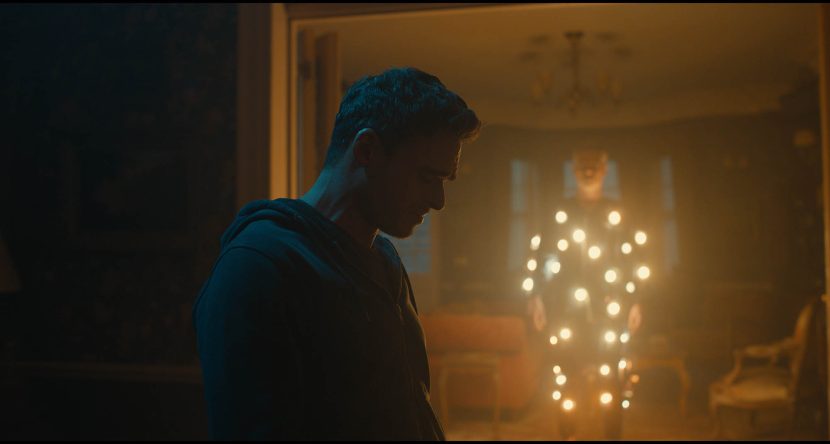
"We settled on the decision that the flames should not cross his head whenever possible," Baldwin notes. "We agreed to never fully replace his head with CG, so that we’re always respecting the emotional performance." The final look was a hybrid: the actor wore an LED suit on set to provide accurate interactive lighting on his face and the surrounding environment, while DNEG layered in simulation-based fire and singeing effects tracked meticulously to the actor’s movements.
Digital Doubles and the Art of the Invisible
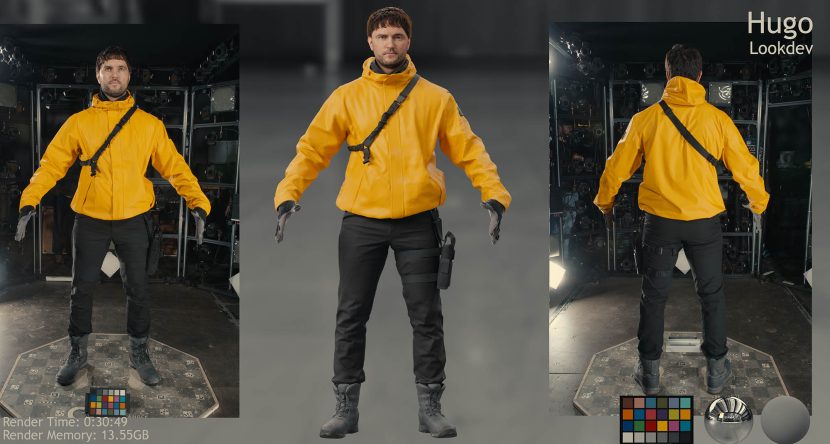
A significant portion of Citadel’s second season relied on digital doubles—not just for action, but for narrative continuity. When characters like the Swedish assassin Hugo are subjected to extreme physical trauma, the fidelity of the digital replacement must be absolute to avoid the "uncanny valley."
The pipeline for these doubles involved full-body scans and precise motion tracking. However, Baldwin emphasizes that the work was largely "additive." The goal was to respect the make-up and SFX work done on set, enhancing it with digital blood, wounds, and subtle physical replacements rather than attempting to reinvent the actor’s performance. This level of restraint is what defines "invisible" VFX: the audience should never be able to tell where the practical ends and the digital begins.
The 80-Second Continuous Sequence: Stitching Reality
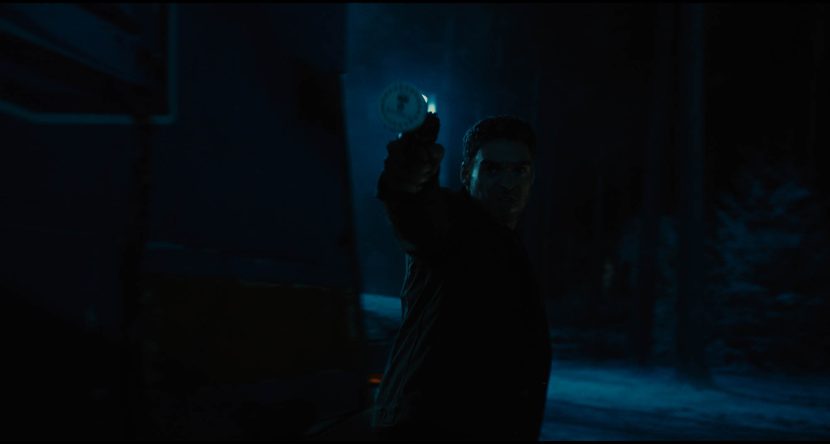
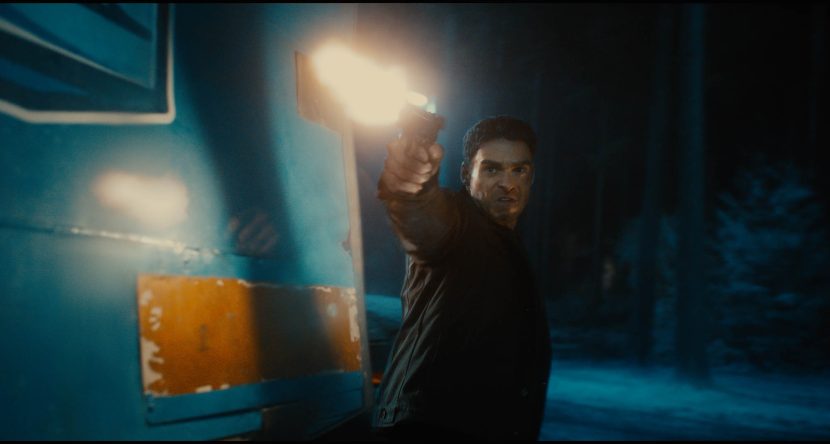
Perhaps the most ambitious feat of the season was an 80-second continuous shot that required a complex camera handoff. The sequence involved a transition from a drone shot to a Steadicam, with the added difficulty of changing natural light conditions.
"The biggest factors that moved us into needing a CG solution were slight changes in the camera position and the actor’s position on the stitch point, and the daytime lighting," says Baldwin. Because the two plates were filmed at different times, the shadows and highlights did not align.
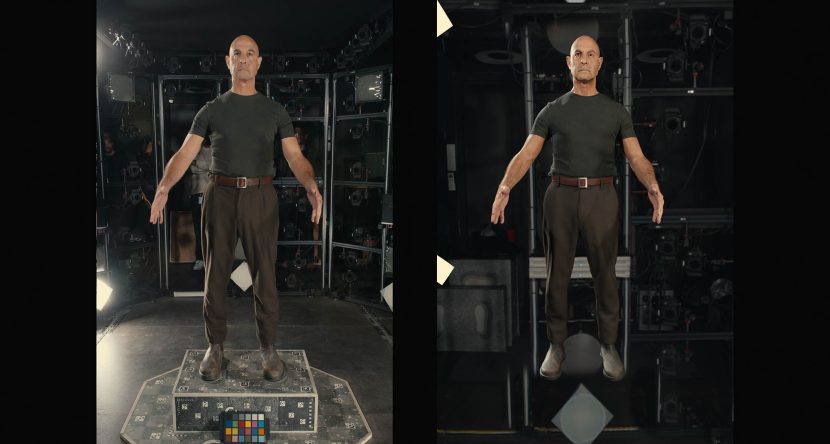
DNEG’s solution was to rebuild the environment in 3D. By tracking both cameras and creating a digital replica of the actor, the team was able to stitch the sequence in a virtual space. They used the door frame of a building as a "wipe," allowing for a natural transition in lighting. Even the character’s clothing—specifically the deformation of his T-shirt—was subjected to cloth simulation to ensure that the transition between the two plates was invisible to the naked eye.
Satellite Destruction: Balancing Physics and Cinematic Flair
For the series finale, the scope expanded to outer space. The sequence involving the destruction of an orbital satellite network required a delicate balance between scientific accuracy and cinematic spectacle.
"There is no atmosphere in space, so you wouldn’t really see any fire from satellites exploding," Baldwin explains. However, the team realized that for the audience to understand the stakes of the scene, they needed visual indicators of the destruction. They used internal fuel and gases as a justification for brief, high-intensity explosions.
Once the debris was cast into the zero-gravity environment, the team maintained a consistent velocity for the wreckage until it eventually began to be pulled toward Earth’s atmosphere. This attention to physical consistency—while allowing for artistic license—grounded the massive, global-scale event in a sense of realism that kept the sequence from feeling like generic science fiction.
Implications for the Industry
The work done on Citadel Season 2 illustrates a shifting paradigm in television visual effects. With the rise of high-end, cinematic streaming series, the gap between film and television VFX is closing. DNEG’s approach—prioritizing on-set data, early collaboration, and the preservation of actor performance—serves as a blueprint for how large-scale digital spectacles can be achieved without sacrificing the intimate, grounded feel of a character-driven drama.
Conclusion: A Collaborative Triumph
When asked which sequence best represents DNEG’s contribution, Baldwin points back to the burning man. It wasn’t the largest or most explosive shot, but it was the most difficult to get "right." It required the perfect confluence of on-set lighting, simulation engineering, and a profound respect for the actor’s emotional delivery.
Ultimately, Citadel Season 2 stands as a testament to the power of "invisible" VFX. By meticulously planning, capturing real-world references, and refusing to cut corners in the digital simulation pipeline, the team at DNEG ensured that the spectacle never overshadowed the story. In an era of digital excess, the most impressive trick is often the one that the audience never notices at all.