Bridging the Virtual Gap: The ASC’s StEM3 Sets a New Benchmark for In-Camera Visual Effects

The evolution of modern filmmaking has brought us to a critical juncture where the physical set and the digital environment are no longer separate entities. Virtual production, powered by LED volumes, has empowered cinematographers with unprecedented creative control. Yet, this leap in technology has introduced a daunting new variable: the stage itself. A cinematographer may arrive on set with a meticulously calibrated camera package and a refined color workflow, only to discover that the LED volume—a complex ecosystem of panels, render nodes, and color transforms—is not behaving as expected.
To solve this, the American Society of Cinematographers (ASC) Motion Imaging Technology Council (MITC) has officially released StEM3, a comprehensive, open-source collection of Standardized Evaluation Material designed specifically for in-camera visual effects (ICVFX). Hosted by the Academy Software Foundation (ASWF) within its Digital Production Example Library (DPEL), StEM3 provides a universal language for testing, educating, and preparing for the high-stakes environment of the LED volume.
The Core Challenge: Known Imagery in a Complex Pipeline
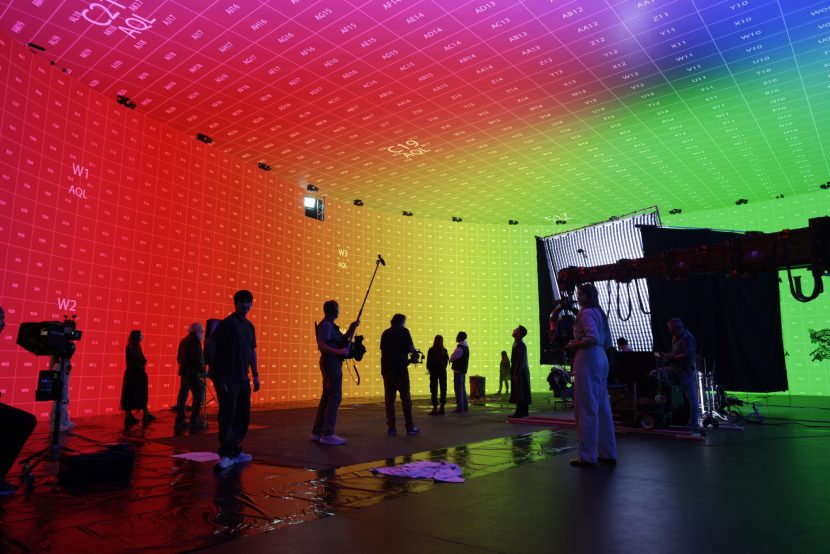
At the heart of the virtual production revolution lies a paradox: while the goal is to capture "final pixels" in-camera, the technology required to achieve this is prone to subtle, often invisible failures. An LED volume is not merely a background display; it is a sophisticated system comprising real-time content (typically Unreal Engine 5), synchronization hardware, LED processors, various pixel pitches, and camera tracking systems.
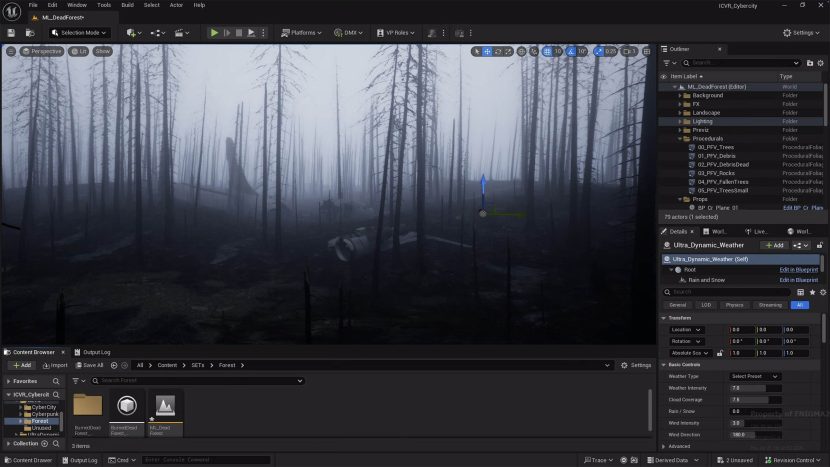
When a cinematographer views a scene, a mismatch at any point in this complex chain can lead to compromised dynamic range, color shifts, or adverse interactions with the camera’s shutter. Conventional display calibration is a necessary starting point, but it is insufficient. A wall may appear perfect to the naked eye but fail when subjected to the scrutiny of a cinema camera sensor. StEM3 addresses this by providing a known, standardized set of assets—videos and UE5 scenes—that can be loaded onto any volume to verify its performance before the cameras roll.
Chronology: From Film Transition to Virtual Realism
The development of StEM3 is the latest chapter in a long-standing ASC initiative to bring scientific rigor to artistic practice.
- The Original StEM: Born during the industry’s tumultuous transition from celluloid to digital acquisition and projection, the first StEM project provided a baseline for evaluating digital sensors and projection technology.
- StEM2: As high dynamic range (HDR), wide color gamuts, and high-resolution displays became the industry standard, StEM2 expanded the scope to ensure that color pipelines remained consistent from set to screen.
- StEM3 (The Present): Recognizing that the LED volume is now the primary "stage," the ASC MITC has shifted its focus toward ICVFX. By building on the legacy of its predecessors, StEM3 bridges the gap between traditional cinematography and the computer-driven requirements of the virtual stage.
This chronological progression reflects the ASC’s philosophy: technology must serve the story, and the cinematographer must remain the ultimate arbiter of the image, regardless of the tools employed.
Supporting Data: What’s Inside the Toolkit?
StEM3 is not a monolithic file; it is a diverse, modular library designed to stress-test specific aspects of a volume’s performance. The assets, contributed by industry leaders like Epic Games, Sony, and various virtual production stages, include:
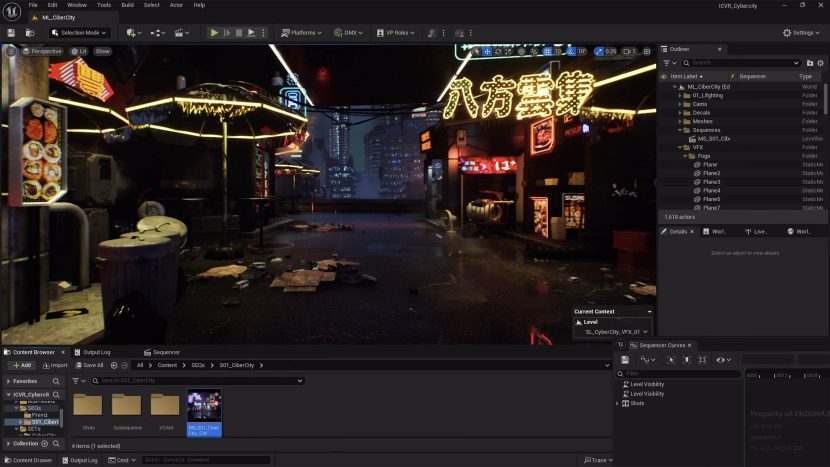
- Diverse Environments: The library features a wide array of settings—from a Himalayan base camp and a subway terminal to urban back alleys and Western saloons. These environments are not chosen for their beauty alone, but for their specific photographic challenges.
- Technical Benchmarks: The collection includes 2D driving plates and dedicated test elements that allow crews to evaluate skin tones, color reproduction, and highlight handling under various lighting conditions.
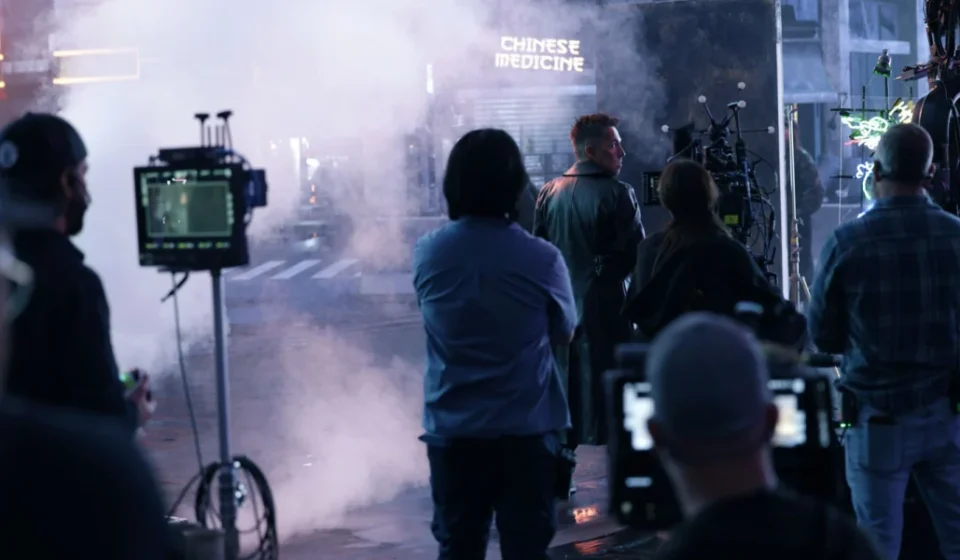
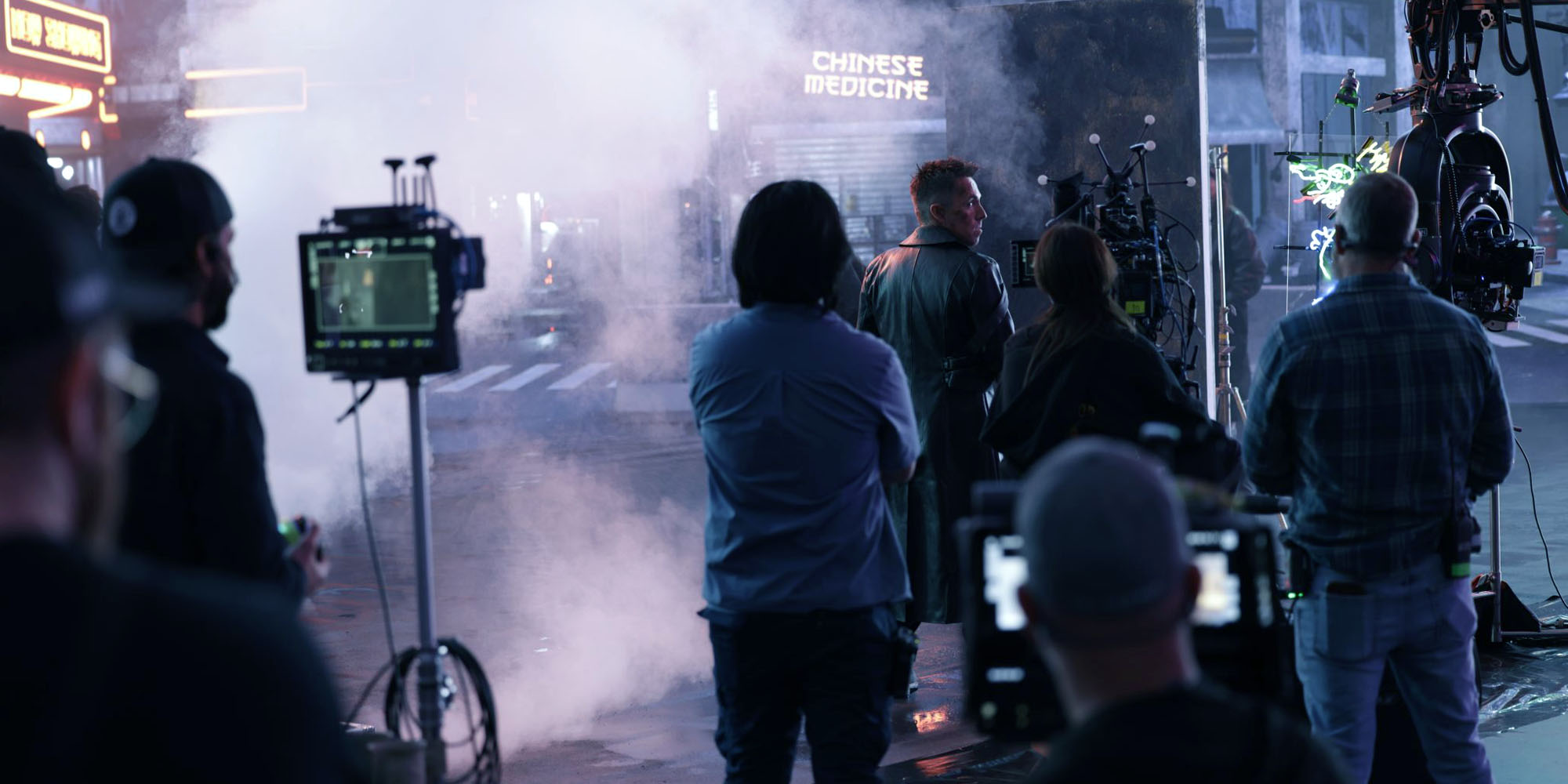
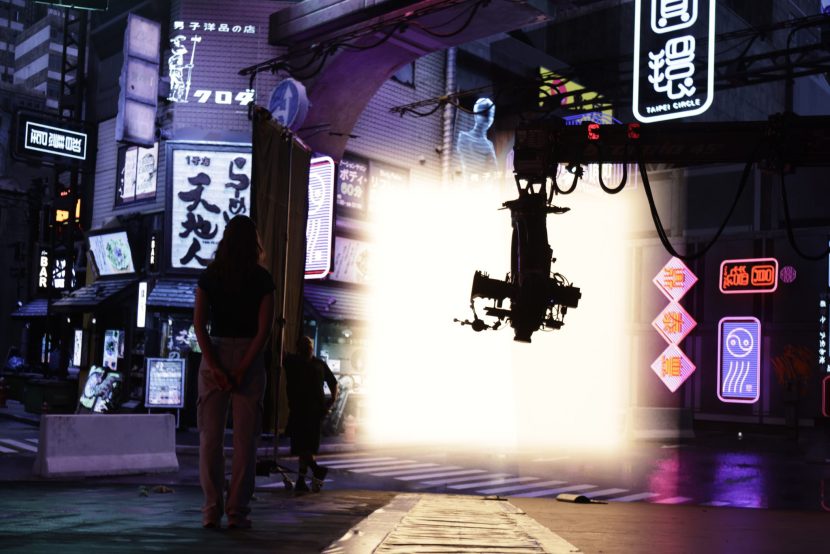
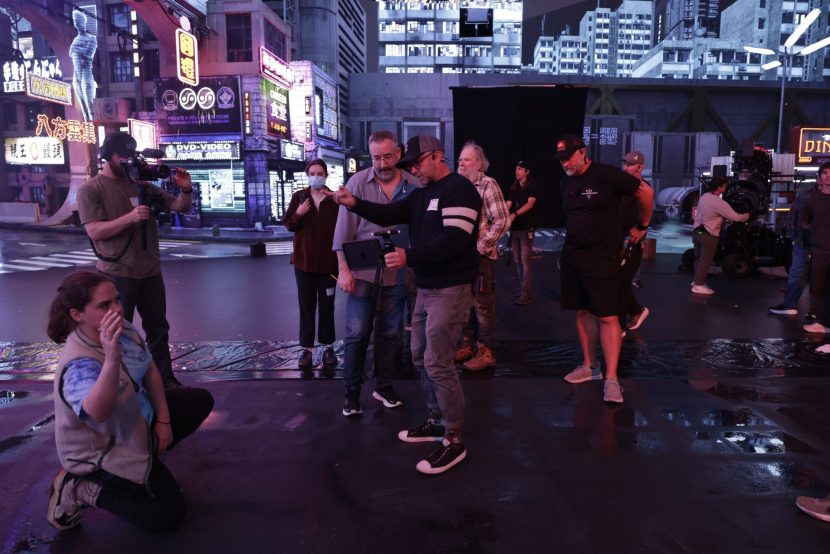
- Warped: CyberCity: Perhaps the most compelling asset is the dramatic short Warped: CyberCity. Written by Michael Goi, ASC, and Jay Holben, and photographed by David Klein, ASC, this short film serves as a "stress test in practice." By utilizing the CyberCity virtual environment with real actors, foreground props, and interactive lighting, the film demonstrates how a system should perform under actual production conditions.
By using these standardized assets, productions can ensure that they are not troubleshooting "subjective" problems. If a scene looks "off," the crew can compare it against the known baseline of the StEM3 files, allowing engineers and cinematographers to isolate whether the issue lies in the color transform, the LED panels, or the camera settings.
Official Perspectives: The Cinematographer’s Voice
The ASC’s involvement is the defining feature of this project. While LED manufacturers and software engineers provide excellent technical procedures, StEM3 is designed from the perspective of the person behind the lens.
"Cinematographers have encountered stages where color rendition was off or dynamic range was sketchy," says Michael Goi, ASC, ISC, co-chair of the ASC MITC. "The aim was to establish evaluation material that shows how a correctly configured system should begin to look."
David Morin, executive director of the Academy Software Foundation and an ASC associate member, underscores the importance of this human-centric approach: "As the industry moves through another major technological change, we must ensure the cinematographer’s contribution remains central. StEM3 enables them to work effectively with engineers and VFX teams without needing to become motion-imaging scientists themselves."
The collaboration behind StEM3 is vast, featuring contributions from Amazon Studios, Dolby, Disney, and numerous VFX houses. This cross-industry support is a testament to the fact that standardizing the "look" of a volume is a shared necessity.
Implications for Future Filmmaking
The release of StEM3 carries profound implications for the future of production scheduling and creative freedom.
Moving Decisions Forward
Virtual production shifts much of the post-production workload into the pre-production phase. Decisions regarding color, lighting, and composition must be made when the virtual environment is built. StEM3 serves as a "pre-flight check," ensuring that these crucial decisions are based on a system that is fundamentally sound.
Standardization vs. Creativity
A common fear in the creative community is that standardization leads to a "cookie-cutter" look. However, the ASC argues the opposite. A reliable, neutral standard provides a safe foundation. Once the cinematographer knows exactly how the volume renders a neutral gray or a specific skin tone, they gain the confidence to depart from that baseline. Knowing the rules allows for more informed, deliberate rule-breaking.
Reducing the "Fix-it-in-Post" Mentality
One of the core promises of ICVFX is the ability to achieve final pixels in-camera. When a volume is calibrated and tested using StEM3, the likelihood of finding "hidden" errors during final photography is drastically reduced. This keeps the creative momentum high, allowing the director and DP to focus on storytelling rather than technical troubleshooting.
Conclusion: The Path Ahead
The virtual production landscape will undoubtedly remain complex, as it sits at the intersection of optics, computer science, color engineering, and traditional art. The complexity is, in many ways, the point—it is a powerful toolset that demands high-level collaboration.
The Academy Software Foundation and the ASC have provided the industry with a vital tool to navigate this complexity. By loading StEM3, looking through the production camera, and establishing a common ground, filmmakers can move past the technical anxieties that currently plague virtual production.
The message is clear: standardize the baseline so you can liberate the art. As the industry continues to evolve, StEM3 stands as a beacon, reminding us that no matter how sophisticated our tools become, the objective remains unchanged: to tell compelling stories through the power of light, composition, and the human eye.