The Epic Evolution: Why ‘Ramayana: Rise of a Legend’ Is Taking Its Time to Reach the Screen

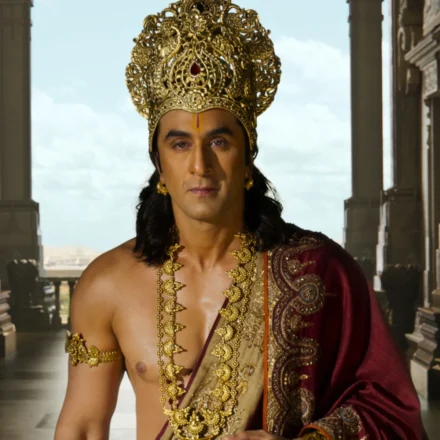
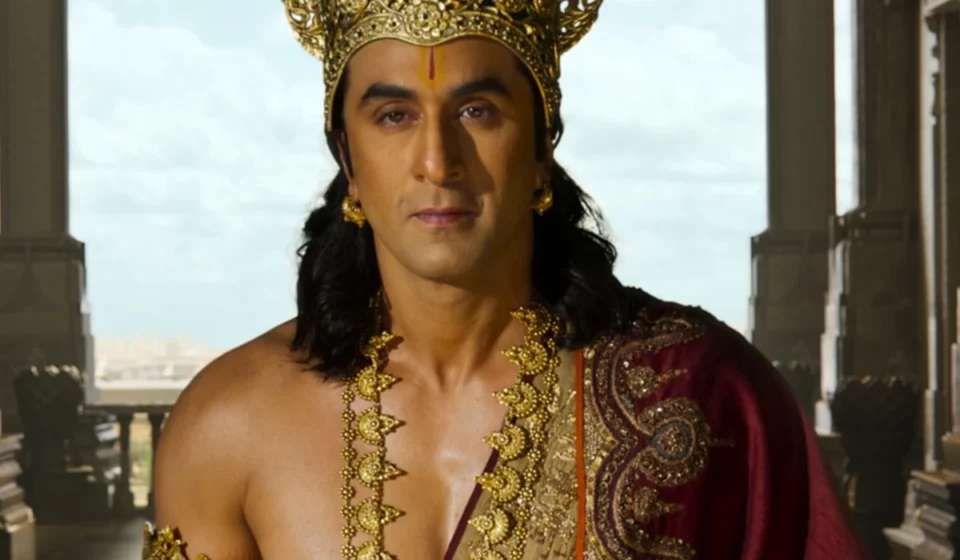
The cinematic landscape is currently abuzz with the impending arrival of Ramayana: Rise of a Legend, a monumental project poised to bring one of the world’s most significant cultural epics to a global audience. With a star-studded cast featuring Ranbir Kapoor as the prince of Ayodhya and Sai Pallavi as the graceful Sita, the film has been positioned as an ambitious bridge between Indian heritage and world cinema. However, recent developments have confirmed that the journey to Lanka—and the final act of this grand saga—will require more patience than initially anticipated.
The production team has officially announced a shift in the release schedule for the sequel, which is now slated for a 2028 premiere rather than the originally projected 2027 window. This strategic delay is not merely a logistical adjustment; it represents a commitment to creative excellence and a refusal to compromise on the grandeur required for the conclusion of this legendary narrative.
Main Facts: A Tale of Two Versions
At the heart of the production’s decision-making process is a desire to ensure the film resonates as both an authentic Indian cultural touchstone and a world-class cinematic event. Producer Namit Malhotra, in an exclusive interview, shed light on the complexity of the project.
"When we announced the first part, we were thinking of it primarily as an Indian film going to the world," Malhotra explained. "Through the evolution of the film, we’ve now come to a place where we actually have two master versions."
This revelation underscores the scale of the undertaking. To ensure that the film holds its own in international markets without losing the nuance of its original Hindi script, the production team opted to undertake a separate edit and a comprehensive rewrite for the English-dubbed version. By doing so, the creators aim to ensure the film is presented in its "own original form" regardless of the language in which it is consumed. This level of meticulous detail is indicative of a production that views itself as a long-term cultural contribution rather than a quick commercial product.
Chronological Journey: From Ayodhya to the Grand Finale
The Ramayana is an epic of immense structural complexity, and Rise of a Legend aims to honor this. Part one, hitting theaters on November 5—coinciding with the auspicious festival of Diwali—serves as the foundational chapter. It introduces a young, heroic Ram, the eldest of four half-brothers, including Lakshmana, Bharata, and Shatrughna. The audience will witness his early training as a disciplined soldier and master archer, as well as his fateful meeting and marriage to Sita.
However, the narrative arc of the first installment stops short of the climactic confrontation with the demon king Ravana, played by Yash. The film meticulously tracks the tragic turn of events orchestrated by Queen Kaikeyi, who, driven by the desire to secure the throne for her own son, Bharata, compels King Dasharatha to exile Ram for 14 years. The first part captures the emotional weight of this departure, with Sita and Lakshmana choosing to stand by Ram’s side as they venture into the wilderness, where they must confront and defeat various demonic forces.
The sequel, now pushed to 2028, will pick up the thread of this exile, focusing on the harrowing kidnapping of Sita by Ravana and the subsequent quest to find her. By providing this extra year, the producers aim to bridge the gap between the initial exile and the triumphant finale with the visual and narrative scale that the mythic source material demands.
Supporting Data: Artistic Philosophy and Cast Insights
Ranbir Kapoor, who steps into the iconic role of Lord Ram, has been vocal about the responsibility that comes with portraying such a revered figure. For Kapoor, the focus has been on the internal landscape of the characters, particularly the silent, profound bond between Ram and Sita.
"The relationship between Lord Ram and Sita is not really about expressing everything you feel, but actually just looking at each other and understanding," Kapoor shared. "It also tells us that love is not about being together when times are good, but also standing by each other when you know times are hard."
Kapoor’s interpretation of the character extends to a deep respect for the sacrifice inherent in the narrative. He highlighted the role of Sita Ma, suggesting that her character experiences the "greatest loss" in the epic. "Sita sacrifices everything to be with Lord Ram. There’s so much good learning of love, of sacrifice, of compassion, of togetherness. I hope that it resonates with today’s youth all across the world, not just Indians."
This philosophical approach from the lead actor aligns with the producers’ commitment to "doing justice" to the source material. The decision to delay the sequel is rooted in the belief that a rushed finale would undermine the emotional groundwork laid in the first film.
Official Responses and Strategic Planning
The delay of the sequel is being framed by the production team as an essential step toward quality control. Namit Malhotra was candid about the pressures of producing a film of this magnitude. "We want to take a little bit more time to make sure that when we present the grand finale, we have a little bit more time to do the same thing that we did on part one," he stated.
He further emphasized that the team is avoiding a "rush job." The complexity of producing a two-part epic that must function as both a coherent narrative and a visual spectacle necessitates a robust timeline. By extending the window for the sequel, the team hopes to ensure that the final product reaches the same, if not higher, level of artistry as the opening chapter.
Broader Implications: The Changing Face of Global Cinema
The production of Ramayana: Rise of a Legend arrives at a time when audiences are increasingly hungry for epic storytelling that draws from non-Western mythologies. The intentionality behind this project—from the separate English and Hindi edits to the strategic scheduling—reflects a broader trend in the film industry: the professionalization and "global-ready" packaging of regional epics.
As the industry watches, the 2026/2027 period is shaping up to be a packed season for blockbuster cinema, with films like the Hunger Games prequel Sunrise on the Reaping and the highly anticipated Avengers: Doomsday competing for global attention. In this crowded field, the Ramayana team’s decision to prioritize their release schedule based on production readiness rather than market pressure is a bold move that highlights their confidence in the material’s longevity.
A Season of Anticipation
As fans count down to the November 5 release of the first part, the cinematic calendar remains full of diverse offerings. From the psychological intensity of Verity (starring Anne Hathaway and Dakota Johnson) and the high-stakes drama of Aaron Sorkin’s The Social Reckoning, to the stop-motion wonder of LAIKA’s Wildwood, there is no shortage of spectacle.
However, Ramayana: Rise of a Legend stands apart. It is not just another tentpole film; it is a cultural endeavor. While the wait for the conclusion has been extended, the discourse surrounding the film suggests that the audience is prepared to wait for a finale that possesses the grandeur, emotion, and respect that the Ramayana legacy commands. By choosing to "do justice" to the project, the creators are betting that in the world of epic cinema, time is not just a constraint—it is the essential ingredient for greatness.