
By Editorial Staff
September 3, 2026
In the annals of cinema history, few discoveries are as potent as the resurrection of a "lost" masterpiece. This October, audiences will finally bear witness to a monumental piece of cultural archaeology: Once Upon a Time in Harlem. Produced by the late, visionary filmmaker William Greaves and brought to fruition by his son, David Greaves, the documentary serves as a bridge between the mid-20th century’s most vital intellectual movement and the modern era. Distributed by Neon, this project is not merely a film; it is a time capsule, capturing a rare, intimate gathering of the living luminaries of the Harlem Renaissance.
The Main Facts: A Gathering of Giants
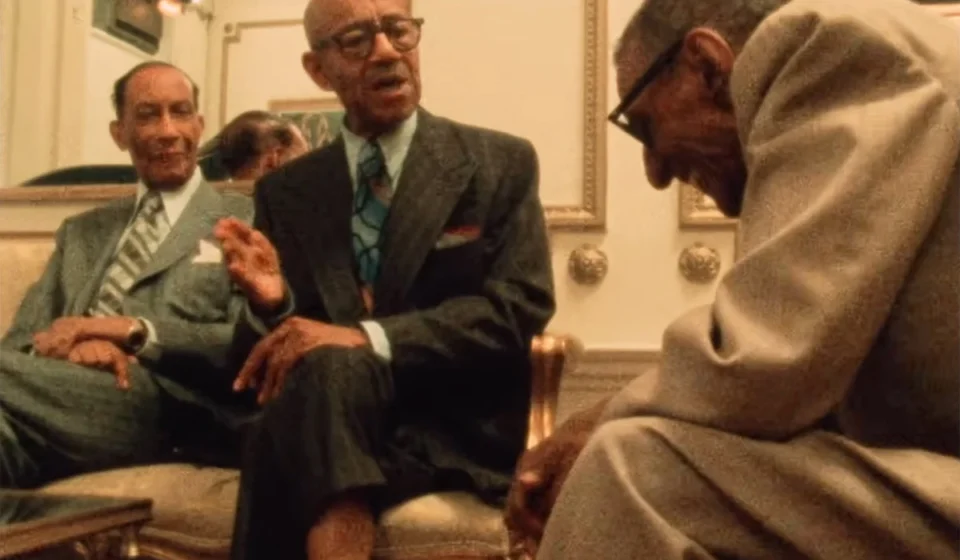
The documentary centers on a singular, extraordinary event that took place in 1972 at the New York City townhouse of the legendary jazz maestro, Duke Ellington. Recognizing that the architects of the Harlem Renaissance—the profound cultural, social, and artistic explosion of the 1920s—were aging, William Greaves orchestrated a reunion of unprecedented scale. He invited every surviving icon he could locate, effectively gathering a "who’s who" of Black American intellectual and artistic history under one roof.
For four hours, the cameras rolled on 16mm film, capturing a candid, unscripted exchange between figures who had not seen one another in decades. The result is a visceral, raw document of reminiscence, sharp critique, and joyous celebration. As Greaves himself noted during his lifetime, he considered this project the most important piece of footage he ever captured. Following a triumphant run at the 2026 Sundance Film Festival and a prestigious screening at Cannes, the film is set for a limited U.S. theatrical release starting October 16, 2026.
Chronology: From 1972 to 2026
The timeline of Once Upon a Time in Harlem is a testament to the endurance of artistic vision.
- 1972: William Greaves films the historic gathering at Duke Ellington’s residence. The footage remains in his archives for decades as he pursues other seminal projects, including Symbiopsychotaxiplasm: Take One.
- 2014: William Greaves passes away, leaving behind a vast library of work, including this unedited, unfinished documentary project.
- 2024–2025: David Greaves, working alongside producers Liani Greaves and Anne de Mare, begins the meticulous process of restoring the 16mm footage and structuring the narrative for a contemporary audience.
- January 2026: The finished film premieres at the Sundance Film Festival to critical acclaim.
- May 2026: The documentary garners international attention at the Cannes Film Festival.
- September 2026: Neon releases the official trailer and poster, building anticipation for the fall theatrical run.
- October 16, 2026: The official U.S. limited theatrical release date.
Supporting Data: The Legacy of William Greaves
To understand the weight of this documentary, one must understand the man behind the lens. William Greaves was a pioneer of "direct cinema" and a titan of Black American documentary filmmaking. His filmography reads like a syllabus for the history of 20th-century American social consciousness.

Key works in his repertoire include:
- Symbiopsychotaxiplasm: Take One (1968): A genre-defying masterpiece that blurred the lines between documentary, fiction, and meta-commentary.
- Still a Brother: Inside the Negro Middle Class (1968): A hard-hitting look at the complexities of the Black middle-class experience.
- The Fighters (1974): An intimate profile of Muhammad Ali.
- That’s Black Entertainment (1990): A retrospective look at the contributions of Black artists to the Hollywood machine.
The restoration of Once Upon a Time in Harlem provides a vital missing link in this canon. By utilizing the 16mm footage, David Greaves has ensured that the textural quality of the 1970s is preserved, allowing viewers to feel the tactile presence of the participants—the smoke in the air, the clink of glasses, and the intensity of the debates.
Official Responses and Creative Vision
The reception of the film has been nothing short of rapturous. Critics have praised the film not only for its historical importance but for its "refreshing" lack of artifice. Because the participants were in a private setting, the interactions captured are devoid of the performative nature often found in televised interviews.
David Greaves has stated that his goal was to honor his father’s original intent: to probe the meaning of the Harlem Renaissance and to understand how cultural identity is passed down through generations. "My father didn’t just want to document the artists," he remarked during the press tour. "He wanted to capture the creative energy that defined an era. He wanted us to see how they grappled with their own legacy while the world around them was changing so rapidly."
Neon’s acquisition of the film signals a commitment to prestige documentaries that hold cultural weight. By positioning the film for an October release, the studio is setting the stage for an awards-season conversation, emphasizing the film’s status as both an educational resource and a piece of cinematic art.
Implications: Why This Matters Now
The release of Once Upon a Time in Harlem comes at a pivotal moment in American cultural discourse. In an era of digital fragmentation, where history is often consumed in short, decontextualized bursts, this film offers a deep, immersive dive into a "critical mass of energy."

1. The Preservation of Oral History
The film serves as a repository of voices that are no longer with us. By allowing these luminaries to speak for themselves, the documentary bypasses the "official" historical narrative, offering instead a subjective, messy, and deeply human account of what it meant to be a Black intellectual in America.
2. The Role of the Artist
The documentary poses a fundamental question: What is the role of the artist in keeping a culture alive? The participants in the 1972 party discuss their work, their failures, and their fears. Their dialogue is as relevant to today’s artists as it was fifty years ago. The film forces the audience to confront the transition of power from the masters of the Renaissance to the subsequent generations who inherited their struggles.
3. A Study in "Direct Cinema"
For students of film, the documentary is a masterclass in the Greaves technique. His ability to facilitate a space where participants forgot they were being filmed allowed for moments of profound honesty. The "party" format creates a unique intimacy that a traditional sit-down interview could never replicate.
Conclusion: A Must-Watch Cinematic Event
As the October 16th release date approaches, Once Upon a Time in Harlem stands out as a "must-watch" for cinephiles, historians, and anyone interested in the soul of American culture. It is a rare opportunity to step into a room filled with the ghosts of the past and find them more alive than ever.
The documentary does not simply look back; it forces us to look forward. By documenting the exchange between these legends, the Greaveses have provided a roadmap for how we might preserve our own stories. Whether you are a scholar of the Harlem Renaissance or a casual fan of historical documentary, this film promises an experience that is as intellectually stimulating as it is emotionally resonant.
In the words of the trailer, the experience is "truly unforgettable." When the lights dim in theaters across the country this October, audiences will have the chance to witness the final trick up the sleeve of a true master of the medium, William Greaves. It is a homecoming, a tribute, and a final, brilliant chapter in the story of one of America’s most important artistic movements.