
By Editorial Staff
October 29, 2026
The landscape of psychological horror is set to undergo a chilling transformation as we head into the new year. Vertical has officially unveiled the second, more haunting trailer for Pendulum, the highly anticipated feature directorial debut from Mark Heyman. Best known for his BAFTA-nominated screenplay for Darren Aronofsky’s Black Swan, Heyman is stepping behind the camera to deliver what appears to be a visceral, claustrophobic descent into the darker side of spiritual healing.
With a powerhouse cast led by Joseph Gordon-Levitt and Phoebe Dynevor, and the backing of veteran producer Darren Aronofsky, Pendulum is poised to be the first major genre breakout of 2027.
The Core Narrative: A Descent into New Mexico
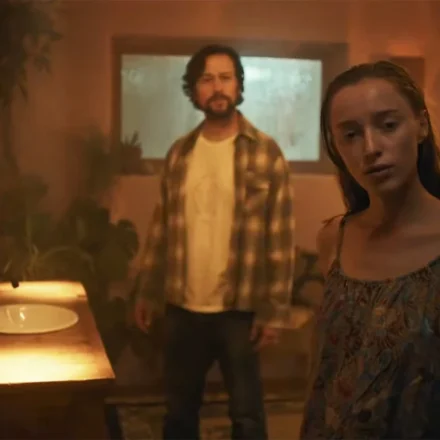
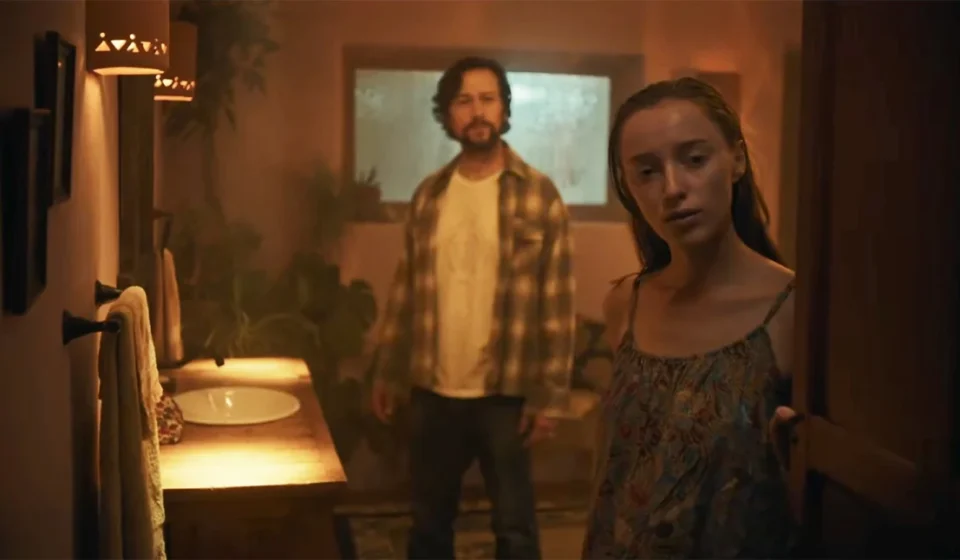
The premise of Pendulum taps into a primal fear: the vulnerability of the grieving mind. The story follows Patrick (Joseph Gordon-Levitt) and Abigail (Phoebe Dynevor), a married couple reeling from a recent, unspecified traumatic event. Desperate to salvage their relationship and find solace, they travel to a remote, high-end retreat tucked away in the rugged landscapes of New Mexico.
What begins as a quest for spiritual clarity quickly devolves into a nightmare of manipulation. As the couple undergoes the group’s "healing" practices, a rift forms. While Abigail finds herself increasingly mesmerized and under the total influence of the retreat’s enigmatic leader—played with unsettling charisma by veteran actress Jacki Weaver—Patrick finds himself pushed to the fringes. His skepticism turns into frantic paranoia as he realizes that the "enlightenment" promised by the group may, in fact, be a gateway to a terrifying, perhaps supernatural, reality.

The marketing hook—"There is no such thing as death"—serves as the film’s chilling tagline, suggesting that the horror at play in Pendulum isn’t just psychological, but existential.
Chronology: From Script to Screen
The trajectory of Pendulum is a testament to the methodical nature of high-end indie filmmaking.
- The Development Phase (2023–2025): Mark Heyman, having built a formidable reputation as a screenwriter with The Skeleton Twins and The Boogeyman, began developing the concept for Pendulum. During this period, Heyman noted that the script was deeply personal, drawing from his own brushes with extreme, fringe environments.
- Production and Casting (2025–2026): With Darren Aronofsky signing on to produce, the project gained significant momentum. Joseph Gordon-Levitt and Phoebe Dynevor were attached early, with Norman Reedus joining to round out the ensemble. Filming took place in late 2025 and early 2026 in the desert outskirts of New Mexico, providing the isolation necessary for the film’s tense atmosphere.
- The Teaser Release (September 2026): A brief, cryptic teaser introduced audiences to the visual language of the film—stark desert vistas juxtaposed with the claustrophobic, hypnotic imagery of the retreat.
- The Official Trailer (October 2026): The second, more comprehensive trailer released this week provides a much clearer look at the shifting power dynamics between the protagonists and the cult-like organization.
- The Release (January 1, 2027): Vertical has strategically scheduled the film to open in theaters on New Year’s Day, positioning it as the dark counter-programming to the usual holiday fare.
Supporting Data: The Talent Behind the Lens
The pedigree of the creative team behind Pendulum is a significant factor in the industry’s high expectations for the film. Mark Heyman is not merely a newcomer; he is a seasoned veteran of the industry who understands the mechanics of tension. His work on Black Swan established his ability to explore the disintegration of the human psyche, a skill he appears to have doubled down on for his directorial debut.
The Ensemble Cast
- Joseph Gordon-Levitt (Patrick): A performer known for his intense commitment to complex roles, Gordon-Levitt is expected to bring a grounded, desperate energy to the character of a husband watching his wife slip away.
- Phoebe Dynevor (Abigail): Following her meteoric rise in television, Dynevor’s transition to psychological horror is one of the most anticipated aspects of the film. Her ability to convey subtle emotional shifts will be critical to the film’s slow-burn horror.
- Jacki Weaver (The Leader): Weaver is a master of nuanced, often sinister characters. Her portrayal of the retreat leader is already being hailed as the film’s "anchor of dread."
- Norman Reedus: While his role remains shrouded in mystery, his presence adds a layer of grit and unpredictability to the ensemble.
Official Responses and Creative Vision
Mark Heyman has been transparent about the origins of Pendulum, distancing it from traditional "slasher" tropes and aligning it more closely with the elevated horror movement. In recent press statements, Heyman described the project as "a deeply personal film, inspired by real, and really scary, experiences."
By focusing on "real" experiences, Heyman is tapping into the modern audience’s fascination with the dark side of the wellness industry. In an era where digital retreats and experimental therapy groups are becoming increasingly common, the fear of "surrendering one’s autonomy" is a potent, relatable anxiety.

Producer Darren Aronofsky’s involvement also speaks volumes. Having overseen films that challenge the boundaries of reality and identity, Aronofsky’s partnership with Heyman suggests that Pendulum will feature the high-concept visual storytelling that has become a staple of their collaborative history.
Implications for the Horror Genre
The release of Pendulum arrives at a pivotal time for independent cinema. The horror genre has seen a massive resurgence in the last decade, with audiences showing a clear preference for films that prioritize atmospheric dread and thematic weight over jump scares.
1. The "Cult" Sub-Genre Evolution
Pendulum looks to revitalize the cult thriller. Unlike the 1970s cult films that focused on external violence, modern iterations like Pendulum are shifting the focus toward the "gaslighting" of the protagonist. This mirrors a cultural shift in how we perceive authority and information.
2. The January Strategy
By releasing on January 1, 2027, Vertical is challenging the historical notion that January is a "dump month" for films. The success of previous genre films released in early winter suggests that there is a hungry audience looking for challenging, cerebral cinema to start the year. Pendulum could prove that a well-marketed, high-pedigree horror film can find massive success outside of the traditional October window.
3. The Directorial Transition
The industry will be watching closely to see if Mark Heyman successfully makes the jump from "writer of prestige films" to "auteur filmmaker." Should Pendulum succeed, it could open doors for other prominent screenwriters to take the helm of their own projects, potentially changing the power balance in Hollywood’s writer-director hierarchy.

Conclusion: A Warning to the Viewer
As the promotional campaign for Pendulum ramps up, the discourse is already centering on the film’s darker, more hallucinogenic sequences. The imagery of the "pendulum"—a tool often associated with hypnosis—acts as a metaphor for the film’s central tension: the swinging back and forth between reality and delusion.
For those eager to experience the dread, the second trailer offers a haunting glimpse into the isolation of the New Mexican desert. It is a reminder that sometimes, the most dangerous places aren’t the ones you stumble into, but the ones you choose to visit in search of healing.
Whether the retreat in Pendulum is truly a place of salvation or a trap for the desperate remains the central mystery. With a release date set for January 1, 2027, audiences won’t have to wait much longer to find out if Patrick and Abigail survive their journey—or if they become just another chapter in the retreat’s long, dark history.
Tread carefully. As the film suggests: once the hypnosis begins, there may be no turning back.