"Summer Holidays" Pre-Release Event Unveils a Heartfelt Ode to Childhood Nostalgia, Earns High Praise from Kiran Abbavaram

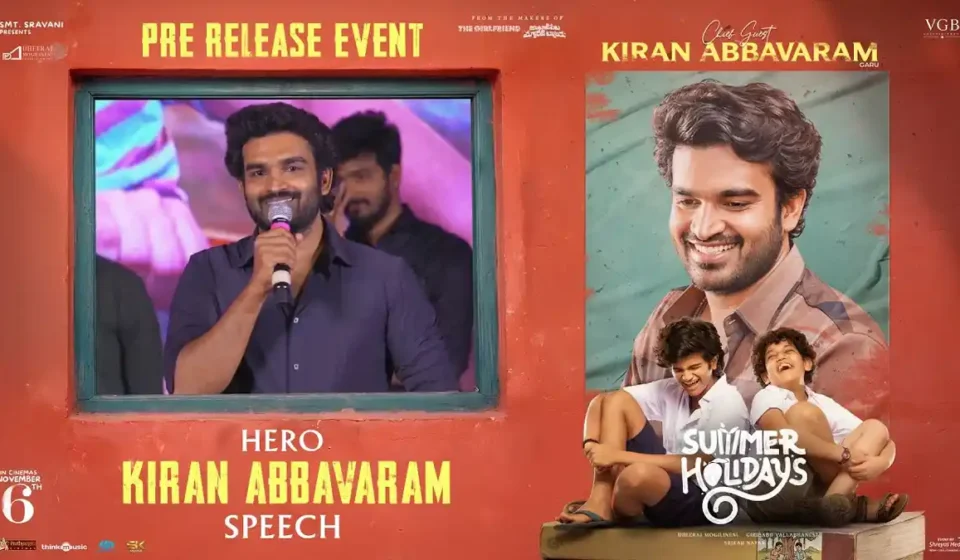
HYDERABAD, [Date of Publication] – In an era increasingly dominated by high-octane action and complex narratives, a refreshing cinematic offering, "Summer Holidays," is poised to transport audiences back to the innocent charm of childhood. The family entertainer, helmed by director Srikar and produced by Dheeraj Mogilineni, recently held its pre-release event, drawing significant attention and a ringing endorsement from popular actor Kiran Abbavaram. The film, which centers on a child’s quintessential summer vacation experience in his maternal grandmother’s village, promises a journey steeped in nostalgia, simplicity, and the enduring bonds of family.
Master Rohan and Master Arun, portraying the central child protagonists, are at the heart of this narrative, which seeks to rekindle forgotten memories for a generation increasingly disconnected from rural life and traditional summer breaks. The event served not only as a promotional platform but also as a testament to the dedication of its creators and the unique appeal of its thematic core.
The Main Facts: A Glimpse into "Summer Holidays"
"Summer Holidays" emerges as a poignant narrative designed to resonate with audiences across generations. Produced by Dheeraj Mogilineni, a name increasingly associated with content-driven cinema, and directed by Srikar, the film is categorized as a family entertainer. Its premise is deceptively simple yet profoundly evocative: the adventures and experiences of a young child during his summer sojourn in his grandmother’s village. This narrative choice immediately taps into a universal wellspring of sentiment, promising a cinematic experience that is both heartwarming and deeply personal for many.
The film’s casting of Master Rohan and Master Arun in the lead roles is a deliberate strategic move, banking on the natural charisma and unadulterated performances that child actors can bring to the screen. Their innocent portrayal is expected to be the emotional anchor of the film, guiding viewers through a landscape of vivid memories and simple joys. The decision to focus on a rural setting further amplifies the film’s nostalgic appeal, contrasting sharply with the hurried pace of modern urban life and offering a serene backdrop for the unfolding childhood saga.
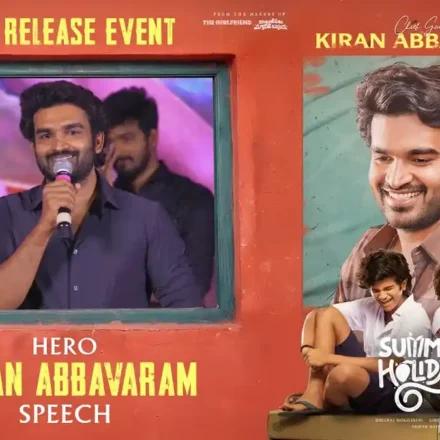
The pre-release event, a crucial milestone in any film’s journey to the big screen, was significantly elevated by the presence and impassioned speech of actor Kiran Abbavaram. His address not only served as a celebrity endorsement but also delved into the thematic depth of the film, offering personal reflections and a heartfelt appeal to the audience. His words underscored the film’s potential to transcend its perceived "small film" status, emphasizing the immense effort and genuine emotion poured into its creation. The event successfully positioned "Summer Holidays" not merely as a cinematic release but as an experience designed to evoke cherished personal histories and celebrate the timeless essence of family.
Chronology of Creation: From Concept to Pre-Release Buzz
The journey of "Summer Holidays" from a nascent idea to a much-anticipated release is a testament to the collaborative spirit and unwavering vision of its creators.
Conception and Pre-Production
The genesis of "Summer Holidays" likely stems from director Srikar’s desire to craft a story that resonates deeply with universal human experiences, particularly the idyllic and formative period of childhood summers. In an age of digital distractions, the concept of a child rediscovering the simple pleasures of a village summer offers a refreshing counter-narrative. Producer Dheeraj Mogilineni’s decision to back this project speaks volumes about his commitment to diverse storytelling and his faith in the film’s ability to connect with a wide audience. Mogilineni’s reputation for supporting unique narratives likely played a crucial role in bringing Srikar’s vision to fruition, providing the necessary infrastructure and creative freedom.
The script development would have focused meticulously on capturing the nuances of village life, the dynamics within an extended family, and the innocent perspective of a child. Authenticity would have been paramount, ensuring that every scene, dialogue, and character interaction felt true to the chosen setting and theme. Casting Master Rohan and Master Arun would have involved an extensive search for young talents who could embody the film’s protagonists with natural charm and emotional depth. Working with child actors presents unique challenges, requiring immense patience, specialized direction, and a nurturing environment to elicit genuine performances. The pre-production phase would have laid the groundwork for these delicate interactions, planning for the logistical complexities of filming with young stars.
The Production Phase
Filming "Summer Holidays" would have been an intricate process, particularly given the rural setting and the involvement of child actors. The choice of locations, likely picturesque villages, would have been crucial in establishing the film’s authentic atmosphere. Capturing the essence of a traditional Indian village – its landscapes, daily rhythms, community interactions, and cultural specificities – would have required careful planning and execution. The production team would have faced challenges ranging from managing weather conditions to coordinating with local communities, all while ensuring a child-friendly set environment.
Director Srikar’s directorial approach would have been pivotal in guiding Master Rohan and Master Arun, fostering an environment where they could express themselves freely and naturally. Achieving performances that are both spontaneous and aligned with the narrative’s emotional arc requires a sensitive touch. Dheeraj Mogilineni’s role as a producer would have extended beyond financial backing, encompassing strategic oversight, problem-solving, and ensuring that the creative vision remained intact throughout the demanding production schedule. His hands-on involvement would have provided critical support, allowing the creative team to focus on storytelling without being bogged down by logistical hurdles.
Post-Production and Marketing Efforts
Following principal photography, "Summer Holidays" would have entered its post-production phase, where the raw footage was meticulously shaped into a cohesive narrative. The editing process would have focused on maintaining the film’s gentle pace, highlighting key emotional moments, and ensuring a seamless flow. The musical score, a vital component of any family entertainer, would likely incorporate traditional melodies and evocative compositions to enhance the film’s nostalgic and heartwarming tone. The choice of music director would have been crucial in crafting a soundtrack that complements the film’s rural backdrop and emotional depth.
The marketing strategy for "Summer Holidays" would have been tailored to reach its target demographic: families and individuals yearning for a connection to their roots or simpler times. Promotional materials, including trailers and posters, would emphasize the film’s core themes of childhood, family, and village life, using visuals that evoke warmth and nostalgia. The pre-release event, strategically organized, served as a powerful launchpad for these marketing efforts. Inviting a prominent personality like Kiran Abbavaram was a masterstroke, generating significant media attention and lending credibility to the film, especially within the context of a perceived "small film." His endorsement, particularly his passionate advocacy, provided an invaluable boost to the film’s visibility and audience anticipation.
Supporting Data: Thematic Depth and Industry Context
The appeal of "Summer Holidays" lies not just in its narrative but also in its profound thematic resonance and its place within the broader cinematic landscape.
Thematic Resonance: Nostalgia, Rural Life, and Childhood
The enduring allure of films centered on nostalgia, rural life, and childhood is a well-documented phenomenon in Indian cinema. These themes tap into a collective consciousness, offering an escape from the complexities of modern life and a reconnection with simpler times. "Summer Holidays" directly addresses this yearning by portraying an idyllic summer vacation, a concept that holds deep emotional significance for many. The village setting, often romanticized in cinema, represents purity, community, and an unhurried existence—a stark contrast to the urban sprawl. Kiran Abbavaram’s observation that the film might "bring back our forgotten memories" perfectly encapsulates this thematic power. Such films often serve as cultural touchstones, reminding audiences of their heritage and the fundamental values of family and community.
The Role of Child Actors in Indian Cinema
The success of "Summer Holidays" heavily relies on the performances of Master Rohan and Master Arun. Child actors, when nurtured correctly, can deliver performances of astonishing naturalness and emotional honesty, often surpassing their adult counterparts in their ability to evoke empathy. However, directing children is an art in itself, requiring an understanding of their psychology and a patient approach. Kiran Abbavaram’s surprise at "the way the kids are talking" and their ability to "amaze me with their acting" highlights the exceptional talent and the careful direction these young artists have received. Films like "Taare Zameen Par" or "Stanley Ka Dabba" have previously demonstrated the profound impact that well-portrayed child characters can have, often carrying the emotional weight of the entire narrative. Their uninhibited expressions and genuine reactions can elevate a film from mere storytelling to a deeply moving experience.
The Independent/Small Film Landscape and Producer’s Guts
Kiran Abbavaram’s emphatic plea, "Please don’t see Summer Holidays as a small film," speaks volumes about the challenges faced by independent and content-driven cinema. In an industry often dominated by star power and massive budgets, films that prioritize storytelling and emotional depth sometimes struggle for visibility. The term "small film" often carries connotations of limited reach or lower quality, which is frequently unjust. Abbavaram correctly points out that "many have worked hard on it," emphasizing the collective dedication that goes into such projects, irrespective of budget.
This context makes producer Dheeraj Mogilineni’s role particularly commendable. Abbavaram’s remark that "it takes a lot of guts to back a film like Summer Holidays" underscores the financial risks and marketing challenges associated with non-mainstream ventures. Mogilineni’s decision to support Srikar’s vision demonstrates a commitment to diverse narratives and a belief in the power of storytelling over commercial tropes. Such producers are crucial for fostering a vibrant and varied cinematic ecosystem, allowing fresh voices and unconventional stories to reach audiences. His personal involvement in promoting the movie, "being at the forefront of the interviews," further illustrates his dedication and belief in the project.
Director Srikar’s Craft
Kiran Abbavaram’s praise for Director Srikar, stating that "The writer and director did a very good job," acknowledges the intricate skill required to bring such a sensitive story to life. Directing a family entertainer with child protagonists demands a delicate balance: avoiding overt sentimentality while ensuring emotional resonance, maintaining a lighthearted tone without sacrificing depth, and guiding young actors to deliver authentic performances. Srikar’s ability to navigate these complexities suggests a keen understanding of his craft and a clear vision for the film. His success in eliciting such strong performances from Master Rohan and Master Arun is a testament to his directorial prowess and his ability to create a conducive environment for creativity.
Official Responses: Voices from the Pre-Release Event
The pre-release event for "Summer Holidays" provided a crucial platform for the key figures associated with the film to share their perspectives, hopes, and insights, shaping public perception and building anticipation.
Kiran Abbavaram’s Keynote Address
Actor Kiran Abbavaram’s address was undoubtedly the highlight of the event, offering a blend of personal reflection, industry insight, and fervent endorsement. His initial surprise at the maturity and eloquence of the child actors, stating, "I am surprised by the way the kids are talking," immediately set a tone of genuine admiration. This sentiment transitioned into a poignant personal anecdote, where he contrasted their precociousness with his own childhood, "I just learned swimming at that age," underscoring the remarkable talent on display.
Abbavaram’s speech took a philosophical turn with his unique suggestion: "We are busy with our lives. At some point in our lives, I feel people should take up agriculture for one year. It won’t give us money, but it gives us dedication and stability." This unexpected remark, while seemingly unrelated to cinema, served to reinforce the film’s core theme of connecting with roots, simplicity, and a grounded existence, echoing the essence of a village summer. It was a subtle yet powerful call for introspection and a return to fundamental values, aligning perfectly with the film’s narrative.
His hopes for "Summer Holidays" were clear: "I hope Summer Holidays will bring back our forgotten memories." This statement directly articulated the film’s primary objective – to evoke nostalgia and emotional resonance. He then passionately defended the film against any dismissive labeling, asserting, "Please don’t see Summer Holidays as a small film. Many have worked hard on it. I never felt it was a small film, as the kids have amazed me with their acting." This was a powerful appeal for audiences and the industry to judge films based on their merit and effort, rather than their budget or star cast.
Finally, Abbavaram reserved special praise for producer Dheeraj Mogilineni, acknowledging his unwavering support: "Dheeraj anna has always offered support to me. He should score a good success with this one. He has been promoting the movie all by himself, being at the forefront of the interviews. Good things should happen to him. It takes a lot of guts to back a film like Summer Holidays." This personal endorsement from a fellow industry professional highlighted Mogilineni’s commitment and courage, providing a significant boost to the film’s standing.
Producer Dheeraj Mogilineni’s Statement
While the original article did not provide a direct quote from Dheeraj Mogilineni, it is customary for producers to address the gathering at such events. He would likely have expressed his gratitude to Kiran Abbavaram for his presence and kind words, acknowledging the immense value of his endorsement. Mogilineni would have articulated his vision for "Summer Holidays," reiterating his belief in its ability to connect with a broad audience through its universal themes. He might have shared his experience working with Director Srikar and the challenges and joys of nurturing the young talents, Master Rohan and Master Arun. His address would have underscored his dedication to bringing meaningful stories to the screen and his hopes for the film’s success, attributing it to the collective hard work of the entire cast and crew.
Director Srikar’s Insights
Director Srikar, praised by Kiran Abbavaram for his "very good job," would have likely offered insights into his creative process. He might have shared the inspiration behind the story of "Summer Holidays," perhaps drawing from personal experiences or observations of childhood. His speech would have detailed the challenges and rewards of directing a film with child protagonists, emphasizing the unique energy and spontaneity they brought to the set. Srikar would have conveyed his excitement for the audience to experience the film, highlighting its emotional core and its potential to spark conversations about family, tradition, and the irreplaceable joy of simple summers.
Statements from Master Rohan and Master Arun
Given Kiran Abbavaram’s surprise at "the way the kids are talking," it is plausible that Master Rohan and Master Arun also addressed the audience. Their statements, though brief, would have offered a charming and authentic perspective on their experience. They might have shared anecdotes from the set, expressed their excitement about their roles, and conveyed their gratitude to the director, producer, and the entire team. Such interactions from the young stars would further endear the film to the audience, showcasing their genuine enthusiasm and the vibrant energy they bring to the screen.
Implications: The Broader Impact of "Summer Holidays"
The release of "Summer Holidays" carries implications that extend beyond its immediate box office performance, potentially influencing audience trends, industry practices, and cultural conversations.
Potential Impact on Audience and Cultural Reconnection
"Summer Holidays" is positioned to have a profound emotional impact on its audience. For adults, it promises a potent dose of nostalgia, prompting reflections on their own childhood summers, the simplicity of village life, and the unique bond with grandparents. For younger viewers, it might offer a window into a different kind of summer, one less reliant on digital devices and more focused on outdoor play, familial interactions, and community engagement. In an increasingly urbanized and technologically driven society, the film could serve as a gentle reminder of the value of disconnecting to reconnect, fostering a renewed appreciation for traditional family values and rural heritage. Its release during actual summer holidays could also encourage families to seek similar experiences, albeit in a contemporary context.
Industry Significance: Championing Content-Driven Cinema
The success of "Summer Holidays" could send a significant message to the Indian film industry. By demonstrating that a well-crafted, emotionally resonant story, even without a massive budget or A-list stars, can capture audience imagination, it could encourage more producers to invest in content-driven cinema. Dheeraj Mogilineni’s "guts to back a film like Summer Holidays" would be validated, potentially inspiring others to take similar risks. This could lead to a more diverse cinematic landscape, where unique narratives and emerging talents receive the platform they deserve. Kiran Abbavaram’s strong endorsement of a "small film" also highlights the power of celebrity support in bridging the gap between independent productions and mainstream audiences, encouraging a culture of mutual support within the industry.
Future Prospects for Cast and Crew
For Master Rohan and Master Arun, "Summer Holidays" could serve as a significant launchpad for their budding careers. Exceptional performances in such a visible film would open doors to future opportunities, establishing them as promising young talents. For Director Srikar, the film’s success would cement his reputation as a sensitive storyteller capable of handling nuanced subjects and extracting authentic performances, particularly from child actors. This could lead to more directorial ventures, allowing him to further explore diverse themes. Producer Dheeraj Mogilineni, already lauded for his support, would gain further recognition as a discerning producer committed to quality cinema, solidifying his position as a patron of meaningful stories. Kiran Abbavaram’s continued advocacy for films that resonate emotionally, irrespective of scale, further reinforces his image as an actor committed to the art form.
Broader Societal Message: A Call for Simplicity and Connection
Beyond its cinematic narrative, "Summer Holidays" carries a subtle yet powerful societal message. Kiran Abbavaram’s musing on the importance of experiencing agriculture, even for a year, transcends the film’s plot to touch upon a wider societal yearning for grounding and purpose. The film, by celebrating the simplicity of village life and the warmth of family bonds, implicitly encourages audiences to reflect on their own lives and perhaps prioritize experiences over material possessions. It serves as a gentle reminder of the enduring beauty in simplicity, the strength found in familial connections, and the invaluable lessons learned outside the confines of urbanity and digital screens. In essence, "Summer Holidays" is poised to be more than just a film; it is an invitation to rediscover the forgotten joys and profound truths of life.