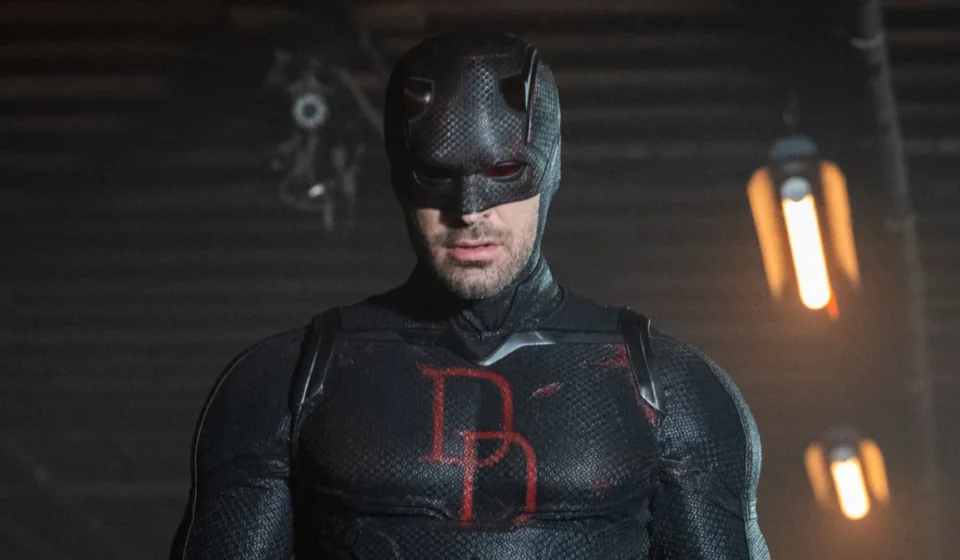
The Curse of Three: Why ‘Daredevil: Born Again’ and the Netflix Original Share a Bittersweet Legacy

The Marvel Cinematic Universe (MCU) has long been defined by its ability to evolve, shift, and reinvent itself. Yet, few characters have experienced as turbulent a journey as Matt Murdock, the Man Without Fear. In a striking turn of events that feels like a glitch in the multiverse, Daredevil: Born Again—the highly anticipated Disney+ revival—has been canceled ahead of its third season. This development creates a haunting symmetry: for the second time in six years, a flagship Daredevil series has been unceremoniously axed at the exact three-season milestone.
This convergence of history invites a deeper look into the business, creative, and cultural dynamics that have shaped the life and death of Daredevil on the small screen.
Main Facts: The End of the Road for the Disney+ Revival
The news of the cancellation of Daredevil: Born Again comes as a jarring blow to the loyal fanbase that spent years campaigning for Charlie Cox’s return to the role. Despite the show having already wrapped production on what will now serve as its final season, the studio has decided to pull the plug.
The decision marks a definitive end to the latest chapter of Matt Murdock’s MCU tenure. While the series was born from the success of the original Netflix iteration, it struggled to maintain the same critical momentum. With production delays, creative overhauls—including the famous "creative reboot" that saw the show shift its tone significantly during filming—and a lukewarm reception to the sophomore season, the project became a symbol of Marvel Studios’ struggle to translate its streaming strategy into consistent, long-term success.
A Chronological Perspective: From Hell’s Kitchen to the MCU
To understand why this feels like a repeat of history, we must look at the timeline of the Daredevil property.
The Netflix Era (2015–2018)
When Daredevil debuted on Netflix in 2015, it changed the landscape of superhero television. It was gritty, grounded, and focused on the street-level struggles of a blind lawyer turned vigilante. It set the gold standard for the "Defenders" era. However, as Disney began preparing for the launch of its own platform, Disney+, the relationship between Marvel and Netflix soured. Despite strong viewership and critical acclaim, Netflix canceled Daredevil in 2018, leaving fans devastated and with unresolved storylines.
The Limbo Years (2019–2021)
For years, the status of these characters was in legal limbo. Fans held onto hope that Cox’s Murdock and Vincent D’Onofrio’s Wilson Fisk would return. The "Save Daredevil" campaign became one of the most persistent movements in fandom history, culminating in cameos in Spider-Man: No Way Home and Hawkeye.
The Disney+ Era (2022–2025)
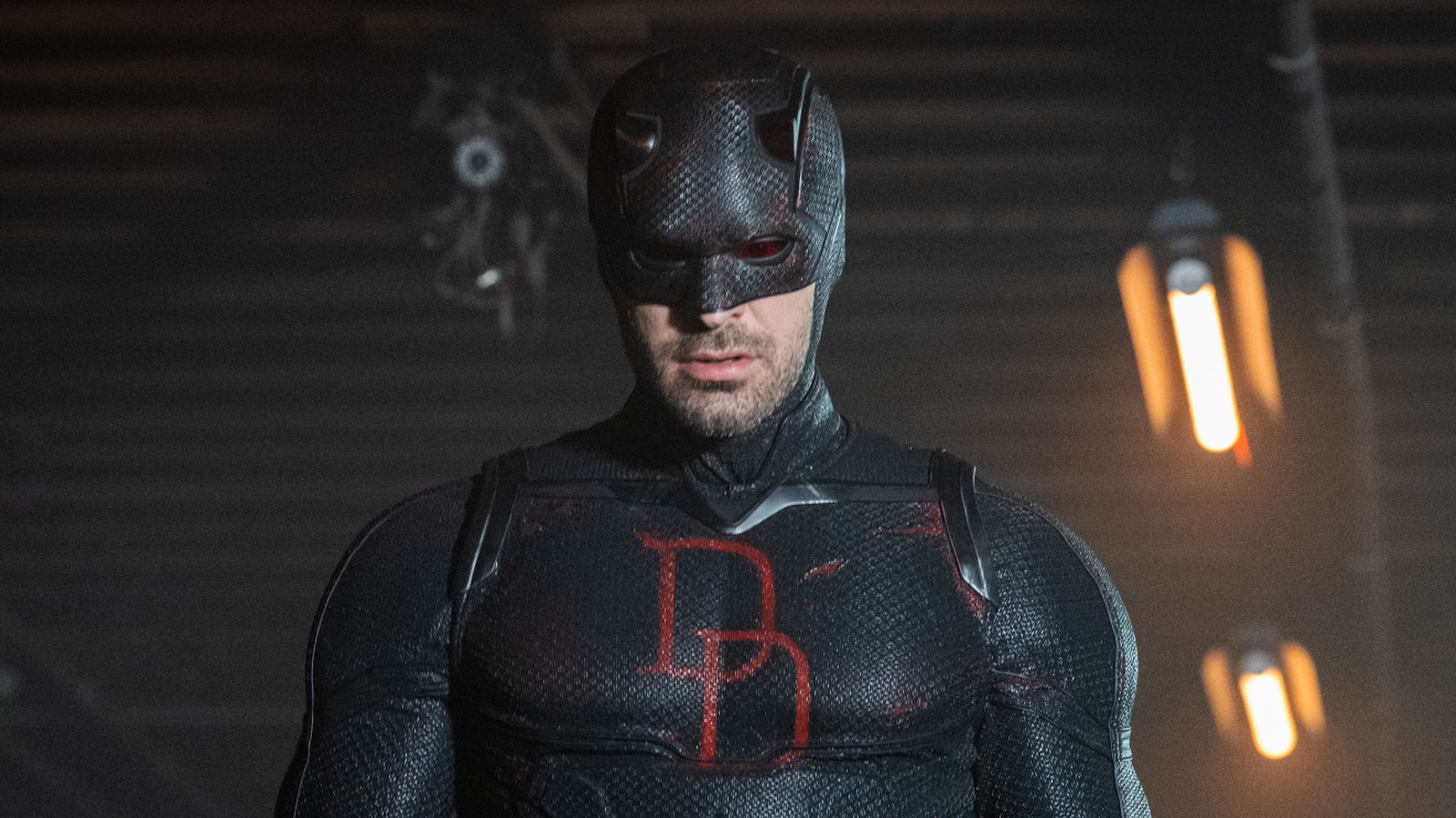
At San Diego Comic-Con 2022, Kevin Feige confirmed the return of the character in Daredevil: Born Again. It was meant to be the bridge between the gritty Netflix past and the broader MCU future. However, the production was plagued by behind-the-scenes turmoil, leading to significant creative shifts. Now, the cycle has repeated, with the plug pulled at the end of the third season—the exact same duration as the Netflix predecessor.
Supporting Data: The Business of Streaming
The cancellation is not merely a creative decision; it is a cold, calculated business maneuver. Marvel Studios is currently undergoing a strategic pivot. After a period of "content bloat" on Disney+, where the sheer volume of series arguably diluted the brand’s quality, CEO Bob Iger and the Marvel leadership team have committed to a "less is more" approach.
The Viewership Decline
Data regarding Daredevil: Born Again Season 2 indicated a significant drop in consistent viewership. While the premiere drew substantial interest due to the nostalgia factor, audience retention metrics showed a steady decline. In the streaming economy, where success is measured by subscriber retention and engagement, a show that costs millions per episode but loses its audience halfway through is rarely a sustainable asset.
Production Costs vs. Output
Daredevil is an expensive show to produce. The stunt work, the location shoots, and the high-profile cast require a substantial budget. When compared to the cost-benefit analysis of producing more streamlined, character-focused projects, Born Again simply stopped making financial sense for a studio looking to trim its fiscal deficit.
Official Responses and Industry Context
While Marvel Studios has remained characteristically tight-lipped regarding the specifics of the cancellation, the shift in tone is evident in public comments regarding their television strategy. Executives have recently spoken about moving away from the "limited series" model and toward shows that have a clear beginning, middle, and end.
Industry analysts suggest that the "three-season cap" is becoming an unofficial industry standard for mid-to-high-budget streamers. By the end of three seasons, shows typically become significantly more expensive due to rising talent costs and contract renewals. For a project like Daredevil, which requires constant high-level creative input, the studio clearly determined that the return on investment was no longer justifying the price tag.
Implications: What This Means for the Man Without Fear
The cancellation of Daredevil: Born Again raises profound questions about the future of the character and the MCU’s street-level corner.
The "Big Screen" Pivot
The most common speculation is that Matt Murdock will now transition to film. Charlie Cox is a universally liked performer, and his version of the character is now fully integrated into the MCU canon. Rather than tethering him to a streaming series that requires high-budget episodic commitments, Marvel may opt to use him as a recurring character in major crossover events or standalone feature films, similar to how Bruce Banner or other supporting Avengers are utilized.
The Death of the "Netflix Canon" Legacy
For a long time, there was a debate about whether the Netflix shows were "canon." By bringing the actors back, Marvel validated that era. By canceling the new show at the same point as the old one, however, Marvel has essentially bookended the "Daredevil" experiment. It serves as a reminder that even the most beloved IP is subject to the ruthless volatility of corporate restructuring.
Lessons for Future Marvel Shows
This situation provides a cautionary tale for the MCU. The reliance on legacy characters to carry streaming services is a temporary solution. The cancellation suggests that Marvel is pivoting toward a strategy that prioritizes brand stability over fan service. For future shows, the takeaway is clear: if a series cannot maintain high engagement throughout its run, it will not be given the luxury of infinite seasons, regardless of the strength of its source material.
Conclusion: A Bittersweet Finale
As we look toward the final season of Daredevil: Born Again, there is a sense of melancholy. Fans are left wondering what could have been if the show had been given the creative space to breathe without the constant interference of corporate mandates and rebooted scripts.
Yet, perhaps there is a poetic justice in the timing. Both iterations of Daredevil will now exist as three-season artifacts—a cohesive, albeit interrupted, body of work. While the "Born Again" title was meant to signify a resurrection, it has instead become a testament to the fact that, in the modern media landscape, even heroes are subject to the same fleeting cycles as any other commodity. Matt Murdock may be down for the count once more, but given his history of defying the odds, it would be foolish to bet against his return in some capacity down the line. For now, however, the gavel has come down, and the story of the streaming Daredevil concludes exactly where it began.