The Return of Sid Baker: Deconstructing the Most Shocking Twist in ‘Slow Horses’ Season 6

This article contains major spoilers for "Slow Horses" Season 6, Episode 3, "Resurrection."
The espionage world of Apple TV+’s hit series Slow Horses has always been defined by its cynicism, its grimy London backdrop, and the recurring theme that in the world of MI5, nobody is ever truly safe—or, as it turns out, truly gone. After five seasons of mourning, mystery, and a pervasive sense of lingering guilt, the series has finally delivered its most jaw-dropping reveal: the return of Sidonie "Sid" Baker.
Played by Olivia Cooke, whose career trajectory skyrocketed following her stint on the show, Sid was a fan-favorite character whose abrupt exit in the first season left a vacuum in the narrative. For years, viewers and characters alike operated under the assumption that she had been murdered. However, the third episode of Season 6, aptly titled "Resurrection," has shattered those assumptions, forcing the characters—and the audience—to re-evaluate everything we thought we knew about the internal politics of MI5.
The Anatomy of an Exit: How We Lost Sid
To understand the impact of this return, one must revisit the events of Season 1. Sid Baker was initially presented as a highly competent, albeit mysterious, operative tasked with keeping tabs on the “Slow Horses” of Slough House. Her trajectory shifted dramatically when she was shot in the head during a confrontation, leaving her fate hanging in the balance.
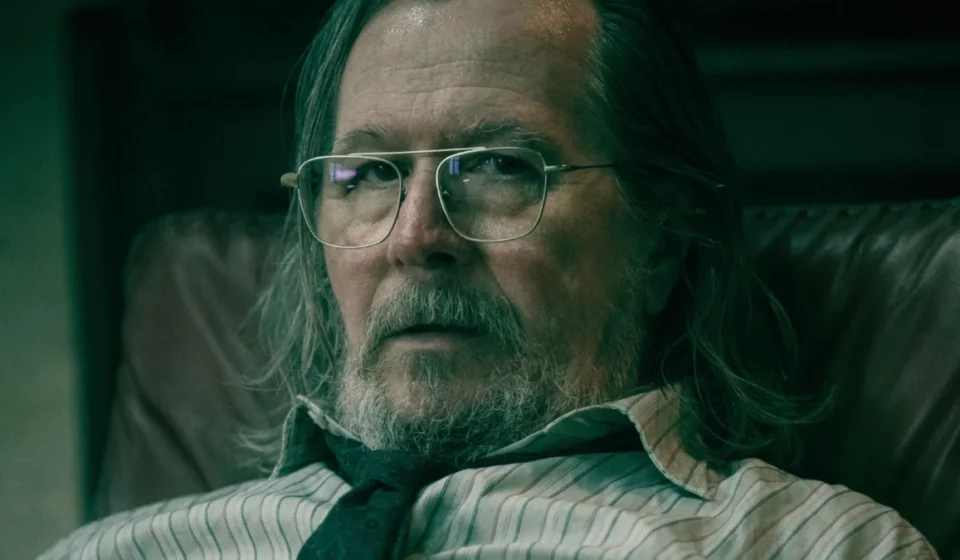
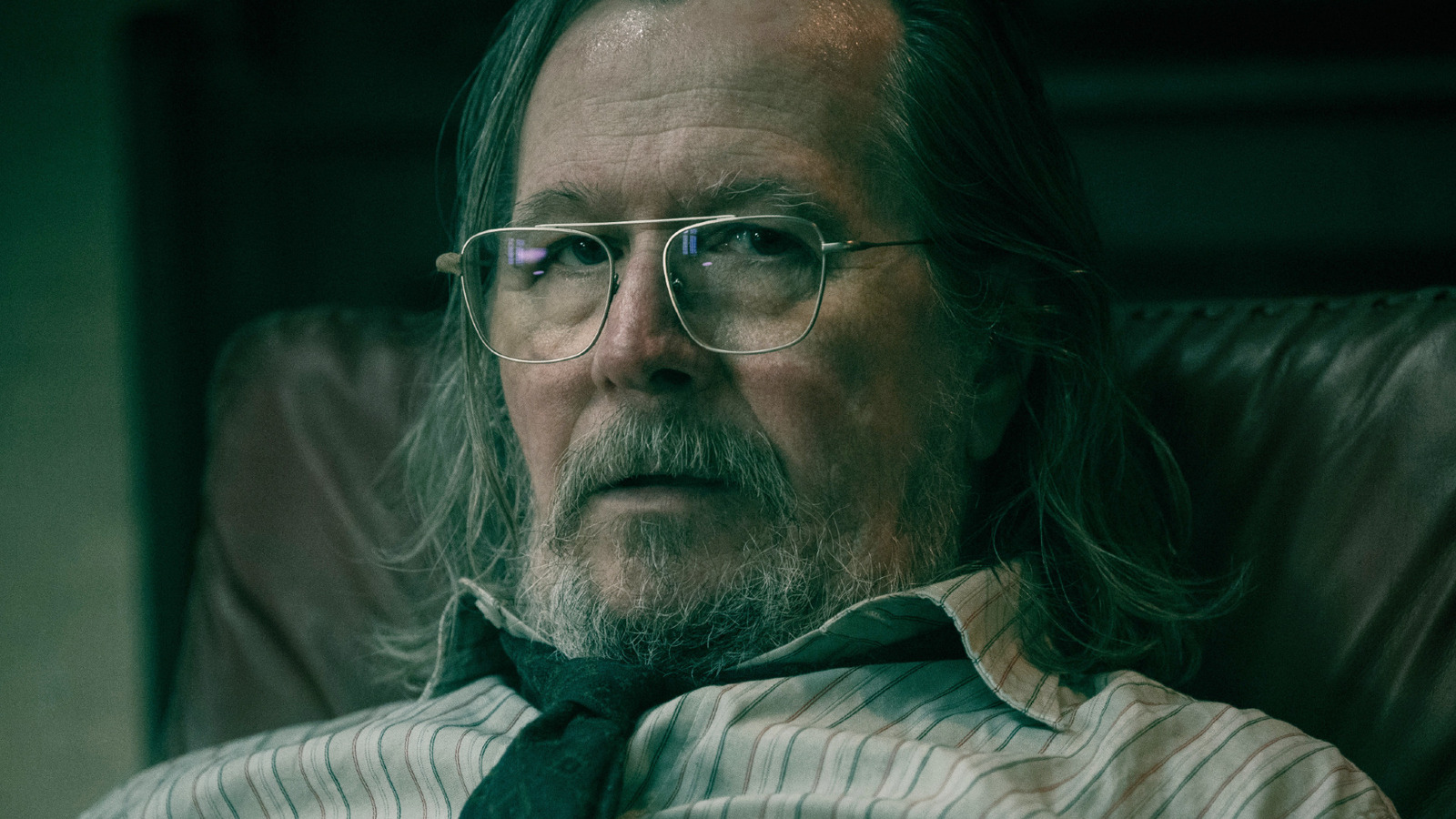
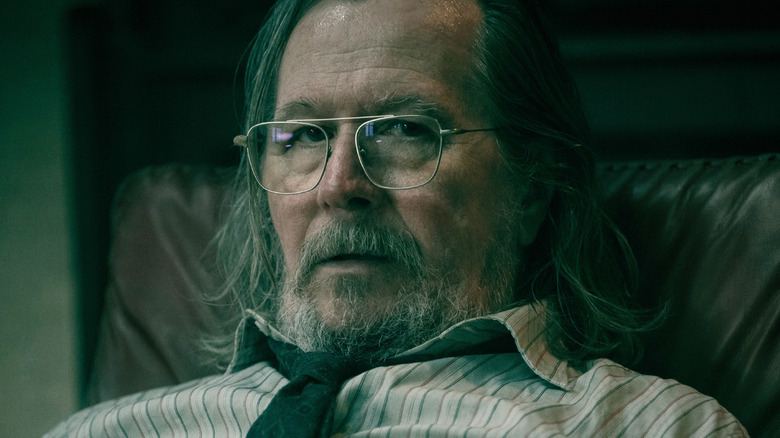
The last visual evidence provided to the audience was a harrowing shot of Sid lying comatose in a hospital bed. Shortly thereafter, the icy Director of Operations, Diana Taverner (Kristin Scott Thomas), delivered the definitive news to Jackson Lamb (Gary Oldman): "Sid Baker is gone."
At the time, this was interpreted as a euphemism for death. In the bureaucratic, cold-blooded ecosystem of the Park—the headquarters of MI5—"gone" implies erasure. For years, the narrative held firm: Sid was a casualty of the job, and her departure became a foundational trauma for River Cartwright (Jack Lowden).
The "Resurrection": A Chronology of the Reveal
The Season 6 premiere, "Daddy Issues," set the stage for a collision of past and present. River Cartwright, acting on volatile information, storms his late grandfather’s home, desperate to confront his mercenary father, David Cartwright (Hugo Weaving). The scene was primed for a high-octane confrontation. Instead, the tension deflated into pure shock when River found an intruder waiting for him: a very alive, very cynical Sid Baker.
The Timeline of Survival
- Season 1: Sid is shot in the head. She is hospitalized and subsequently erased from official records by Diana Taverner, effectively turning her into a "ghost" within the system.
- The Three-Year Gap: While River mourned, Sid was recovering in isolation, completely unaware that she had been officially declared dead by her superiors.
- The Catalyst: Weeks prior to the current season’s events, Sid received a mysterious travel order to Kazan, Russia. When the order was dismissed by the Park as a "glitch," it triggered a cascade of events.
- The Assassination Attempt: Russian hitmen, specifically a duo played by MyAnna Buring and Kyle Soller, tracked Sid to her safe house. She managed to escape, leading her directly to the doorstep of the one person who might actually believe her: River.
Behind the Scenes: The "Poirot" Bullet
The most poignant and darkly comedic detail of Sid’s return is her physical and psychological state. Sid reveals that a fragment of the bullet remains lodged in her skull—a permanent reminder of her near-death experience. With a dry wit that perfectly matches the tone of the series, she explains that the shard periodically "talks" to her. She has nicknamed it "Poirot," a nod to the legendary Agatha Christie detective, suggesting that her recovery has been a solitary, often surreal journey of self-preservation.
This reveal serves a dual purpose: it grounds the show’s more outlandish spy-thriller elements in the harsh, physical reality of injury, while simultaneously highlighting the psychological toll of being a "discarded" asset.
Implications for the Park and Diana Taverner
The return of Sid Baker is not just a character comeback; it is a ticking time bomb for the upper echelons of MI5. The revelation that the Park orchestrated her erasure—and that this erasure likely led to a diplomatic or intelligence catastrophe in Russia—is a massive narrative pivot.
Sid and River deduce that an MI5 operative likely hijacked her identity to carry out a hit in Kazan. By using a "dead" agent’s name, the perpetrator hoped to leave a trail that led nowhere, or perhaps, a trail that would inevitably be cleaned up by Russian retribution. The fact that the assassins came for Sid proves that the deception failed, or worse, that it was a setup designed to sacrifice her to maintain a cover story.
This begs the question: How much did Diana Taverner know? Taverner’s cold pragmatism has always been a central pillar of the show’s conflict. If she knowingly allowed a subordinate to be hunted for the sake of a botched mission, the fallout could dismantle the current power structure of the Park.
The Emotional Arc: River’s Guilt and Reconciliation
For River Cartwright, the return of Sid is a complex emotional trigger. Throughout the series, River has carried the burden of feeling responsible for her "death." His arc has been one of constant striving for validation and an attempt to overcome the shadow of his grandfather’s legacy.
The interaction between the two is masterfully handled. There is a palpable friction as Sid points out that River has spent three years centering his own trauma around her alleged demise. It is a sharp, biting critique of the protagonist’s savior complex. Their dialogue captures the essence of the Slow Horses dynamic: even in the middle of a life-or-death crisis, these characters are unable to stop bickering, dissecting each other’s flaws, and projecting their own insecurities.
What’s Next: The Road to the Finale
As the season progresses, the question shifts from "How did she survive?" to "Can she be trusted?" In the world of Mick Herron’s Slough House universe—the source material for the series—trust is a finite, often non-existent currency.
While Sid’s return is a win for the team’s morale, it makes her a prime target. The Russian assassins are still active, the Park is likely attempting to cover its tracks, and Jackson Lamb—who is never as oblivious as he appears—will undoubtedly have his own perspective on why Sid was brought back into the fold at this specific moment.
With three episodes remaining in the season, the stakes have never been higher. The "Resurrection" of Sid Baker is not merely a plot twist; it is the catalyst for a total collapse of the status quo. As viewers, we are left to wonder: in an organization that views its agents as disposable assets, what happens when an asset refuses to stay buried?
The answer, as always in Slow Horses, will likely be messy, cynical, and utterly compelling.
Supporting Data and Context
- The Source Material: The return of Sid Baker aligns with the trajectory established in Mick Herron’s Slough House novel series, though the television adaptation has successfully utilized the "glitch" narrative to heighten the suspense for those who have not read the books.
- Cast Dynamics: The return of Olivia Cooke marks a significant investment by the show’s producers, re-integrating a high-profile actor into an ensemble cast that already features heavyweights like Gary Oldman and Kristin Scott Thomas.
- Critical Reception: The "Resurrection" episode has already been cited by critics as a benchmark for the series, praised for its tight pacing and the clever resolution of a dangling plot thread that had remained open for nearly four years.
As the narrative pushes toward the climax, fans should prepare for further revelations regarding the "Park’s" systemic failures and the dark history that connects the characters of Slough House to the highest levels of British intelligence.