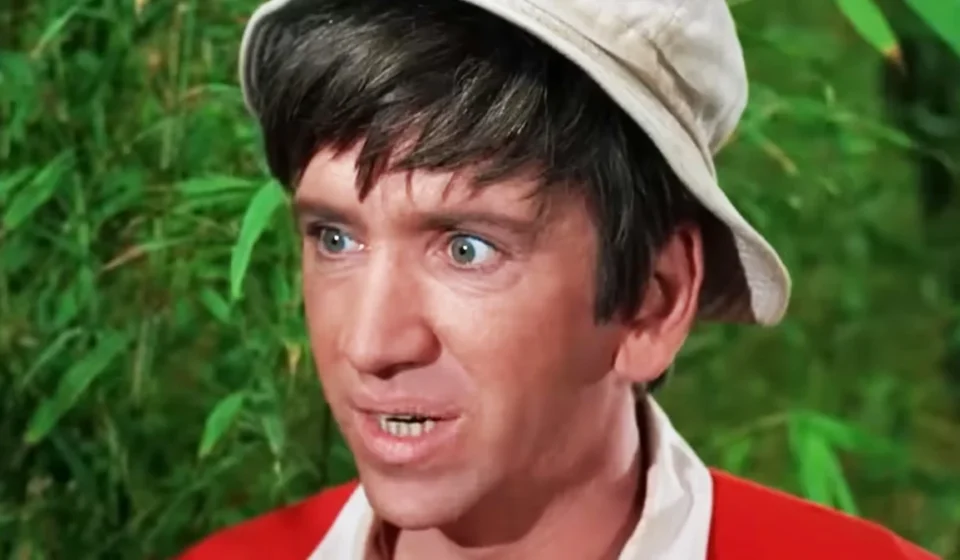

When Gilligan’s Island premiered on CBS in 1964, it arrived with a premise that seemed destined for cult status: seven castaways stranded on a remote island, turning their plight into a slapstick comedy of errors. Yet, the road to becoming a foundational pillar of American pop culture was anything but smooth. Before the show became a syndication juggernaut, it was viewed by critics as a creative failure and treated by network executives with open disdain.
In the high-pressure environment of mid-60s television, the cast faced constant public ridicule and internal neglect. However, an unlikely guardian angel appeared in the form of a young director named Richard Donner. Fourteen years before he would redefine the superhero genre with Superman, Donner served as a vital stabilizing force, injecting joy and professionalism into a set that was teetering on the edge of collapse.
The Rocky Genesis: A Pilot Born in Pain
The tribulations of Gilligan’s Island began long before the first episode aired. Creator Sherwood Schwartz, a veteran of television writing, was under immense pressure to deliver a hit. According to historical accounts, Schwartz navigated the production of the pilot while battling a debilitating back injury. The physical toll was matched only by the creative friction; the original cut of the pilot was met with a lukewarm response from CBS executives, who failed to see the potential in the ensemble.
It was only through Schwartz’s persistent re-editing—taking the reins himself to salvage the vision—that the network finally agreed to move forward. Yet, the internal victory was short-lived. Once the show reached the public airwaves, the critical reception was nothing short of brutal.
The Critical Backlash and Network Disdain
To understand the atmosphere on the set of Gilligan’s Island, one must look at the climate of 1960s television criticism. Reviewers were quick to dismiss the show as "low-brow" and "the bottom of the barrel." Russell Johnson, who played the Professor, famously reflected on the hostility, noting that the cast felt the weight of being perceived as the worst show on television.
"We were shattered by those first reviews," admitted Alan Hale Jr., the actor behind the Skipper. "Who wouldn’t be? We just resolved to try harder."
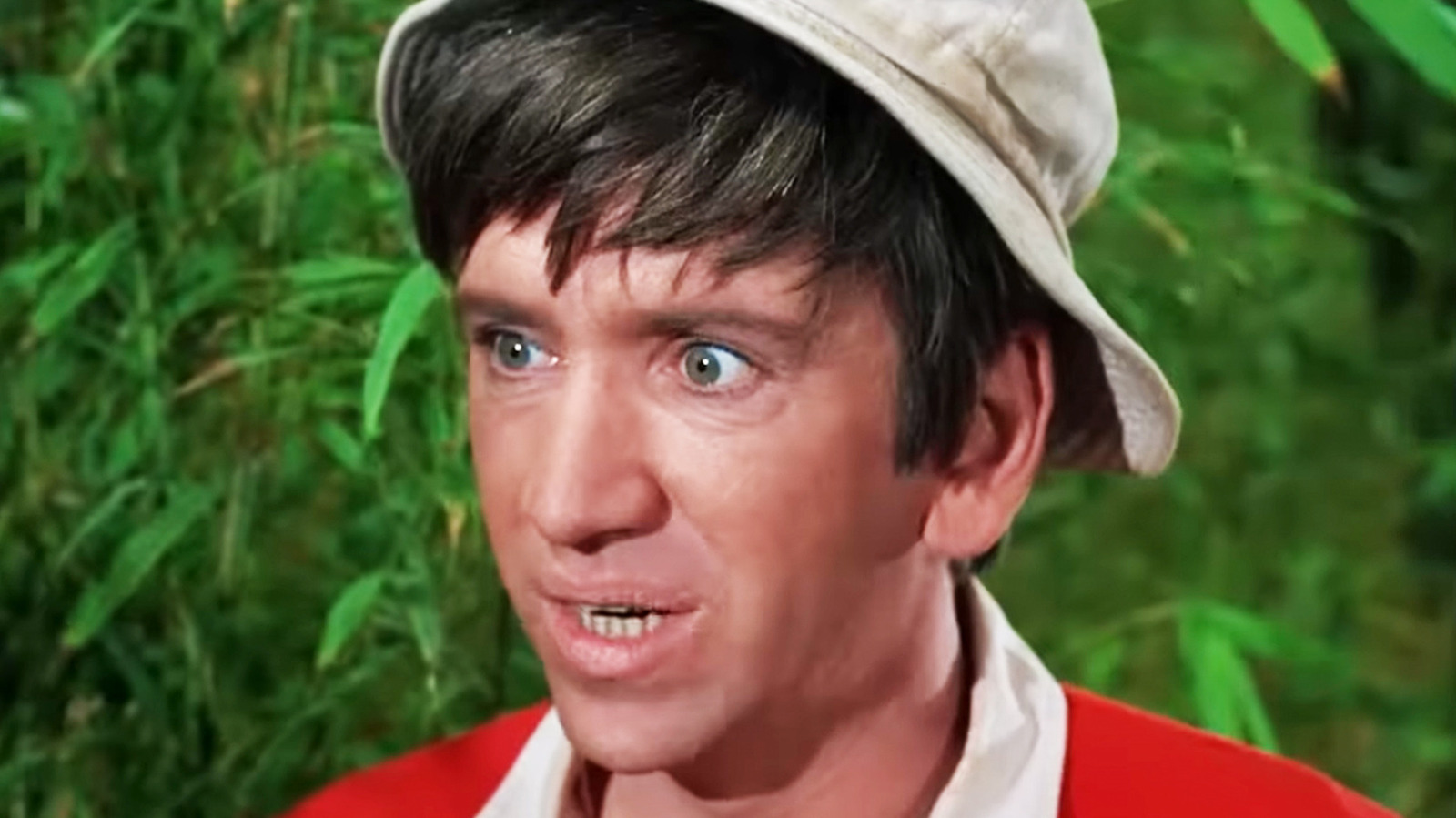
This sentiment was mirrored in the executive suites of CBS. William S. Paley, the legendary CEO of the network, viewed Gilligan’s Island as a black mark on his otherwise prestigious lineup. In the eyes of the "Tiffany Network" leadership, the show lacked the class and prestige associated with hits like I Love Lucy. Consequently, Paley treated the series as a sacrificial pawn, frequently shuffling its time slot to bolster other, more favored programs. This lack of institutional support created a demoralized environment where the cast and crew felt like second-class citizens within their own network.
Chronology of a Crisis: From Skepticism to Survival
The narrative of Gilligan’s Island can be broken down into three distinct phases of early struggle:
- The Pilot Phase (1963-1964): Marked by intense creative disagreements and a lack of faith from CBS leadership, requiring multiple edits before acceptance.
- The Critical Onslaught (Late 1964): The show launches to scathing reviews, forcing the cast to confront the reality that they were widely considered a laughingstock of the industry.
- The Network Marginalization (1965): William S. Paley begins moving the show across the schedule, using it as a "filler" to prop up other programs, signaling that the network had no long-term interest in the show’s success.
Throughout this timeline, the internal morale of the cast plummeted. Tina Louise, who portrayed Ginger, famously struggled with the direction of the series, nearly quitting on multiple occasions. The combination of external mockery and the feeling that their work was disposable created a toxic environment that threatened to tear the ensemble apart.
Enter the Hero: Richard Donner’s Influence
It was during this period of uncertainty that Richard Donner stepped in to direct three episodes of the first season, starting with the iconic "Home Sweet Hut." While he was then just an up-and-coming director, his impact on the set was profound.
Sherwood Schwartz, reflecting on those years for the Television Academy, identified Donner as the "oil" that kept the gears of the production moving. Where other directors—such as the highly competent but stern John Rich—operated as strict taskmasters, Donner brought a sense of playfulness and genuine enthusiasm.
"Dick Donner was very important because he’s a very likable guy," Schwartz noted. "Enthusiastic, young, and he kind of smoothed things over."
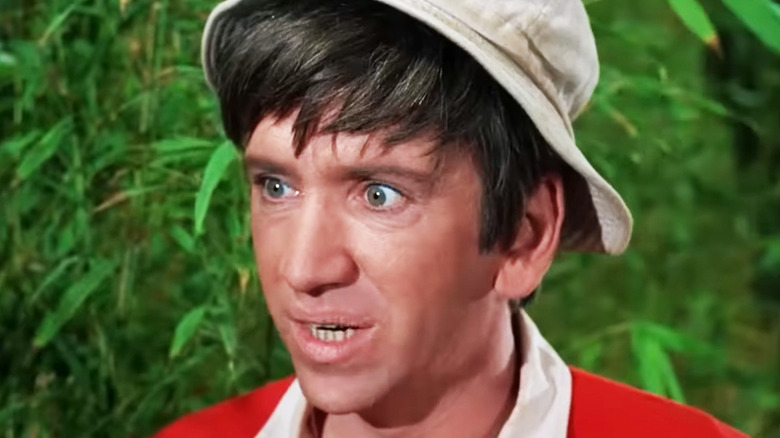
Donner’s approach was not merely about maintaining order; it was about fostering an environment where creativity could flourish despite the negative external narrative. He famously delighted in the comedic chemistry between Bob Denver (Gilligan) and Alan Hale Jr. (the Skipper). His love for the craft was infectious; he often let the cameras roll simply because he was personally entertained by the actors’ improvisation.
The "5,000 Feet of Film" Anecdote
Perhaps the most telling evidence of Donner’s influence was his penchant for letting scenes breathe. In one instance, he recalled shooting a sequence involving Gilligan trying to navigate a hammock on top of the Skipper. With no dialogue and no specific script requirements, Donner simply kept the film running.
"I just ran film and it just got richer and funnier and ridiculous and hysterical," Donner shared. This willingness to prioritize the joy of the performers over the rigidity of the shooting schedule did more than produce good footage—it signaled to the cast that their work was valuable, worthy of time, and inherently funny. By validating their talent, Donner provided the emotional armor the cast needed to withstand the vitriol from the press and the neglect from the network.
Official Responses and Reflections
The legacy of Gilligan’s Island has shifted dramatically in the decades since its cancellation, moving from a derided sitcom to a cultural touchstone. However, the cast’s reflections remain consistent: they were a family forged in the fire of adversity.
While the network was busy moving the show around the schedule to suit their own strategic needs, the actors were finding a sense of purpose through directors like Donner. It is a classic Hollywood paradox: a show that was never "critically acclaimed" during its run became one of the most successful syndication stories in history. This success was not handed down from the top—it was built from the ground up by a group of actors who decided to "try harder" and a director who reminded them that they were, in fact, geniuses.
Implications for Modern Television
The story of Gilligan’s Island and Richard Donner offers a poignant lesson for the modern entertainment industry. It highlights the often-ignored human element of television production: the relationship between the director and the talent.
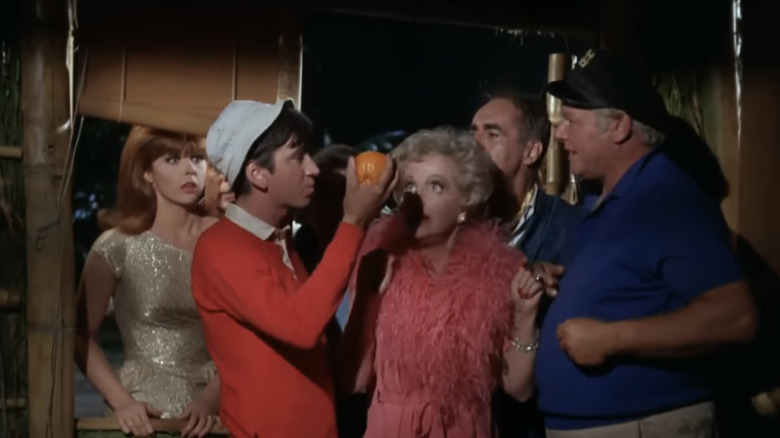
In an era where "prestige" television is often measured by budgets, high-concept writing, and critical awards, the Gilligan’s Island experience serves as a reminder that the longevity of a show often depends on the morale of its cast. Donner’s ability to create a safe, joyful workspace in the middle of a "rough time" proved that morale is the most sustainable asset a production can possess.
When Donner eventually moved on to direct Superman in 1978, he brought that same philosophy of earnest, character-driven joy to the big screen. The man who taught audiences that a man could fly first learned how to keep a grounded group of castaways from sinking.
Ultimately, Gilligan’s Island survived not because of the support of its network, but in spite of it. It survived because of the camaraderie of its actors and the guidance of a director who understood that behind every "silly" sitcom is a group of human beings who need to feel that their work matters. Richard Donner’s intervention during those early, shaky days remains a quiet, vital footnote in the history of a show that refused to be forgotten.