
Six months after a hyper-realistic, AI-generated video of Tom Cruise and Brad Pitt engaging in a fictional cinematic brawl went viral, setting off alarm bells across the entertainment industry, the landscape of generative artificial intelligence has taken a decisive turn. On Monday, the Motion Picture Association (MPA)—the formidable trade organization representing the world’s largest film and television studios—announced a breakthrough Memorandum of Understanding (MOU) with the Chinese tech behemoth ByteDance.
The agreement, which aims to install robust ethical and legal guardrails across ByteDance’s suite of generative AI tools, marks a pivotal moment in the ongoing struggle to reconcile the rapid evolution of synthetic media with the foundational tenets of intellectual property (IP) law.
The Catalyst: When Deepfakes Became Viral Phenomena
To understand the weight of this agreement, one must look back to the spring of 2024. A video surfaced on social media depicting a seamless, high-fidelity interaction between A-list stars Tom Cruise and Brad Pitt. The video was not a product of a film set or a marketing campaign; it was the output of Seedance, an advanced generative AI video model developed by ByteDance.
The video, which garnered millions of views within hours, acted as a "canary in the coal mine" for Hollywood. It demonstrated with terrifying clarity that the barriers to entry for creating high-quality, unauthorized digital likenesses of world-famous actors had effectively vanished. For the MPA, the incident was a manifestation of the existential threat that uncontrolled generative AI poses to the creative ecosystem. If a user can generate a blockbuster-quality scene using the faces of Hollywood’s most bankable stars, the value of the underlying IP, the contracts of the actors, and the entire production value chain are thrown into disarray.
Chronology: From Unauthorized Chaos to Strategic Regulation
The path to Monday’s MOU was not a linear one; it was paved with tense negotiations, industry lobbying, and the observation of a failed experiment by competitors.
2023: The Wild West of Generative Video
The emergence of models like OpenAI’s Sora in early 2023 set the stage. When Sora debuted, it was accompanied by a wave of AI-generated content that frequently utilized the likenesses of well-known characters and public figures without consent. The backlash was immediate. Studio executives, guild representatives, and legal teams argued that these models were being trained on copyrighted material and, worse, were being used to generate content that diluted the brand equity of major film franchises.
Early 2024: The "Sora" Lesson
As the pressure mounted, OpenAI eventually pivoted, leading to the internal shelving of Sora’s public-facing features that allowed for unauthorized likeness generation. The industry watched closely. The collapse of the initial, unregulated version of Sora provided a roadmap for what happens when a tech giant moves too fast and breaks too many legal barriers. ByteDance, however, took a different approach. Recognizing that Seedance was rapidly becoming a market-leading competitor to Google’s Gemini and other enterprise-grade video models, ByteDance chose a path of engagement rather than withdrawal.
Mid-2024: Constructive Engagement
Over the past several months, representatives from the MPA and ByteDance entered into a series of closed-door discussions. Unlike the litigious posturing that has defined other industry disputes, these talks focused on "meaningful guardrails." The result is the current MOU, which commits ByteDance to integrating protections against the unauthorized use of IP across their entire ecosystem, including TikTok, CapCut, Dreamina, and their core models, Seedance and Seedream 5.0 Lite.
Supporting Data: The Scope of the Agreement
The scope of this agreement is expansive, covering not just a single model but an entire pipeline of content creation tools. By targeting the platforms where the content is consumed (TikTok) and the tools where it is edited (CapCut), the MPA and ByteDance are attempting to close the loop on digital piracy.
- Seedance: The primary video model; now subject to filters that detect and block the generation of likenesses protected by studio copyrights.
- Seedream 5.0 Lite: A lighter, more accessible model; now required to maintain parity with the security protocols of its heavier counterpart.
- TikTok: ByteDance’s flagship social platform; the agreement mandates a more aggressive enforcement policy regarding the identification and removal of AI-generated content that infringes on studio IP.
- CapCut: A pervasive video-editing tool; the agreement includes technical provisions to ensure users cannot use AI features to inject unauthorized studio intellectual property into their edits.
The technical nature of these guardrails remains proprietary, but insiders suggest they involve a combination of "digital watermarking" and metadata-based filtering that cross-references user prompts against a database of protected film and television assets.
Official Responses: A Shared Determination
The rhetoric surrounding the announcement signals a new phase of "responsible innovation."
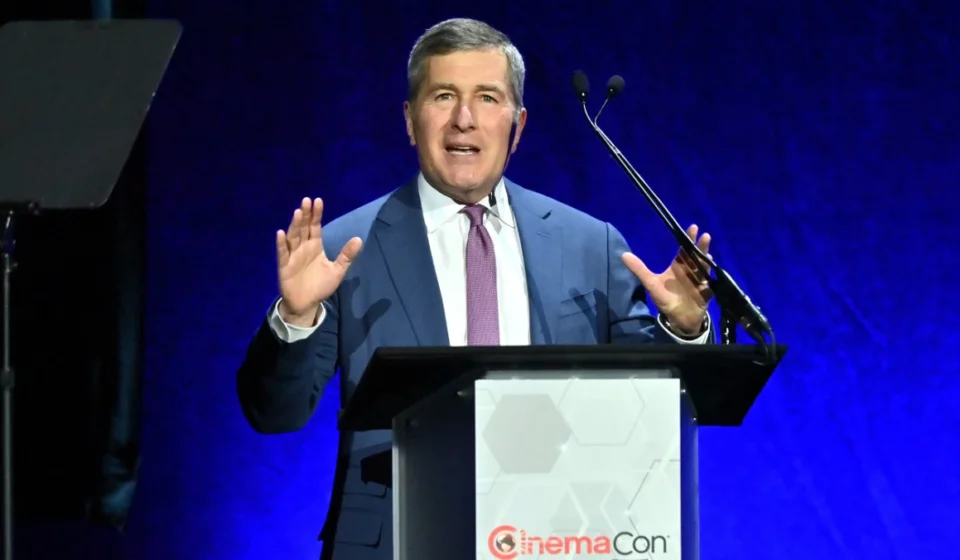
"Today’s agreement illustrates our belief that copyright is a cornerstone of the film and television industry—and reinforces our commitment to protect creative content," said Charles Rivkin, Chairman and CEO of the MPA. "For the past several months, we have had constructive engagement with ByteDance to implement meaningful guardrails on Seedance and Seedream, and this MOU reflects our shared determination to continue our work together to further fortify those guardrails."
For the MPA, the victory lies in the acknowledgment that creative industries cannot thrive in a vacuum where their output is treated as free, fungible training data or raw material for unauthorized AI creation.
ByteDance, for its part, seems eager to shed the reputation of a platform that tolerates copyright infringement. John Rogovin, general counsel for ByteDance, emphasized that the collaboration is not just a one-off measure but a long-term framework. "ByteDance respects the intellectual property rights that underpin creative industries around the world, and we believe responsible innovation in AI goes hand in hand with meaningful protections for rightsholders," Rogovin stated. "This MOU establishes an important framework for continued collaboration as the technology evolves."
Implications: What This Means for the Future of Hollywood
The implications of this agreement are far-reaching, setting a global precedent that will likely influence future AI regulations in the United States, Europe, and beyond.
1. The Death of the "Wild West" Era
The era of generative AI companies operating under the "ask forgiveness, not permission" mantra is effectively coming to an end. By securing this agreement, the MPA has signaled that it will leverage its immense legal and political capital to ensure that AI developers play by the rules of copyright. This will likely force other AI developers—particularly those in the video generation space—to come to the negotiating table before launching similar features.
2. The Standardization of "Guardrails"
The term "guardrails" is becoming the industry-standard nomenclature for AI safety. However, the definition of these guardrails is shifting from "preventing dangerous content" (like hate speech or violence) to "protecting corporate economic interests." The ByteDance-MPA deal is the first major example of a global tech giant agreeing to a framework that prioritizes the economic interests of a creative industry over the unrestricted creative freedom of their user base.
3. The Future of AI-Generated Fan Content
For the average TikTok user, the immediate impact may be a rise in "policy violation" notifications when attempting to generate videos featuring recognizable movie stars or copyrighted characters. This is a significant blow to the "fan-edit" culture that relies on remixing existing IP. The long-term implication is that the future of AI-driven creativity may be bifurcated: a strictly "safe" environment for general users and a highly regulated, licensed environment for professional creators who have the rights to use specific intellectual properties.
4. A New Revenue Model for Studios?
While the current MOU focuses on protection, many analysts believe the logical next step is licensing. If AI models require high-quality, professional data to improve, and if they want to allow users to play with iconic characters, they may eventually have to pay for the privilege. This MOU could serve as the foundation for a future where ByteDance pays the studios for the right to feature their characters in AI-generated templates, turning a massive threat into a new revenue stream.
Conclusion
The agreement between the Motion Picture Association and ByteDance is more than just a corporate handshake; it is a tactical retreat from the brink of a massive copyright crisis. By formalizing a relationship of "constructive engagement," both sides have signaled that the future of artificial intelligence in entertainment will be defined by negotiation rather than confrontation.
As AI models continue to evolve with terrifying speed, the question remains whether these guardrails will be enough to protect the human creativity that powers the film industry. For now, however, the digital likenesses of Tom Cruise and Brad Pitt—and the hundreds of other stars protected by the MPA—have gained a small, but significant, shield in the digital age. The challenge moving forward will be to ensure that these guardrails do not stifle the very innovation that makes these models so revolutionary, while simultaneously safeguarding the centuries-old principles of intellectual property.