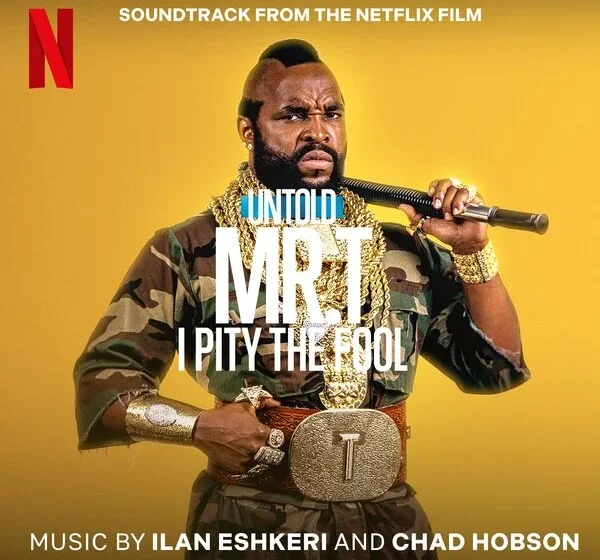
From Bouncer to Icon: The Musical Landscape of Netflix’s ‘Untold Mr. T: I Pity the Fool’

As Netflix prepares to drop its latest installment in the acclaimed Untold documentary series, audiences are bracing for a deep dive into the life of one of the 20th century’s most recognizable pop-culture figures. Untold: Mr. T (titled I Pity the Fool) promises to strip away the gold chains and the signature mohawk to reveal the man beneath the caricature: Laurence Tureaud. To underscore the emotional weight and historical gravity of his journey, Netflix Music has commissioned a poignant, atmospheric score from acclaimed composers Ilan Eshkeri and Chad Hobson.
The soundtrack, set for digital release on September 8, serves as the sonic backbone for a film that explores the dichotomy between the man who was once a Chicago bouncer and the global superstar who defined an era of television and wrestling.
The Sound of Resilience: An Original Score
The musical identity of Untold: Mr. T is anchored by the collaborative efforts of Ilan Eshkeri and Chad Hobson. Eshkeri, a veteran of the industry known for his diverse portfolio—ranging from the whimsical fantasy of Stardust to the gritty tension of Layer Cake and the biographical gravitas of Super/Man: The Christopher Reeve Story—brings a cinematic scope to the documentary. His partner, Chad Hobson, offers a sharp, documentary-honed sensibility, having previously worked on high-stakes projects like Leaving Neverland.
The score is less about the bombast of 1980s action television and more about the spiritual and personal fortitude of Tureaud. With track titles like "Led By Grace," "Holy Light," and "Faith," it is clear that the composers opted for a somber, reflective tone that mirrors Tureaud’s own journey through hardship, religion, and eventual fame.
Chronology: The Evolution of a Legend
The documentary, directed by Scott Weintrob, utilizes the score to anchor the viewer through several distinct chapters of Tureaud’s life.
The Early Years: Chicago Origins
The film chronicles Tureaud’s upbringing in the housing projects of Chicago. The early tracks, such as "The Word," likely underscore the struggle of his youth and his early recognition of the power of words and presentation. Long before he was "Mr. T," he was a man navigating a dangerous urban landscape, a period that informs the gravity of the soundtrack’s more somber moments.
The Rise of the Persona
As the film transitions into the creation of the Mr. T persona, the music pivots. This era was defined by his work as a nightclub bouncer—a role that required both intimidation and restraint. The score navigates this transition, illustrating the birth of the mohawk and the iconic jewelry, which were initially adopted as a tribute to African ancestors and a symbol of his own personal strength.
The Global Phenomenon
The third act of the film focuses on the stratospheric rise of Mr. T, from his breakout role in Rocky III to the cultural phenomenon of The A-Team and his transition into the WWE. The soundtrack’s later tracks, such as "Ain’t Backing Down," capture the defiance and determination required to maintain such a high-profile, high-stakes career in the unforgiving spotlight of Hollywood and the wrestling ring.
Supporting Data: The Soundtrack Tracklist
The digital release, arriving on all major streaming platforms on September 8, features eight tracks that distill the emotional essence of the documentary.
- Be Somebody (2:54): An opening meditation on identity and aspiration.
- The Word (2:54): A tense, rhythmic piece likely highlighting his early brushes with fame.
- Ain’t Backing Down (3:08): A driving, percussion-heavy track mirroring his wrestling and action-hero persona.
- Holy Light (2:58): A shift toward the spiritual, reflecting Tureaud’s deeply held faith.
- Of the Lord (3:23): A continuation of the religious themes that permeate his life.
- Led By Grace (3:30): A slow-building, orchestral piece focusing on his personal resilience.
- Faith (4:09): The longest track on the album, acting as the emotional core of the score.
- Pity the Devil (2:43): A thematic closer that subverts his famous catchphrase into a commentary on overcoming his internal demons.
Official Perspectives and Production Context
Untold: Mr. T is a collaborative triumph between The Studio Large Eyes, Pantheon Media Group, and WWE Films. By partnering with WWE Films, the documentary gains unique access to archival footage of Tureaud’s wrestling career, much of which has been remastered to highlight the intensity of his presence in the ring.
Director Scott Weintrob has emphasized that this project is not a "tell-all" tabloid piece, but a character study. "Mr. T is a hero to many, but he is a human to himself," Weintrob stated in recent press materials. "Our goal was to peel back the layers of a man who created a shield—his persona—to protect himself from a world that wasn’t always kind."
Ilan Eshkeri and Chad Hobson were specifically chosen for their ability to balance the "heroic" aspect of Mr. T with the "vulnerable" aspect of Laurence Tureaud. The decision to emphasize spiritual and gospel-adjacent motifs in the score was a deliberate choice to ground the documentary in the reality of Tureaud’s life, rather than the cartoonish version that dominated Saturday morning television in the 1980s.
Implications: The Legacy of Mr. T
The release of this documentary and its accompanying soundtrack comes at a time of renewed interest in the 1980s and 90s cultural landscape. However, Untold: Mr. T stands apart from mere nostalgia. It forces the audience to confront the human cost of fame and the necessity of identity construction in the face of systemic adversity.
Cultural Impact
Mr. T remains one of the few figures in pop culture who can be identified by a single letter. His impact on fashion, sports entertainment, and acting is undisputed. Yet, the documentary serves as a necessary corrective, reminding viewers that the man behind the persona is a complex individual with a rich, often painful, history.
The Role of Score in Modern Documentaries
The score for Untold: Mr. T is a masterclass in modern documentary scoring. By eschewing the typical synth-pop or generic "action" cues one might expect for an 80s icon, Eshkeri and Hobson have elevated the material. The music serves as a bridge, allowing the audience to empathize with a man who often had to project invincibility. It signals a shift in the Untold series toward more intimate, character-driven storytelling, where the music does not just accompany the visuals but dictates the emotional response of the audience.
Future Expectations
As the documentary hits Netflix, the industry will be watching to see if this stylistic approach to biographical filmmaking sets a new standard. The blend of high-profile subject matter with grounded, atmospheric scoring is a potent combination. For fans of Mr. T, this is the definitive look at his life; for fans of film music, the Eshkeri-Hobson score is a reminder that even the most bombastic icons have a quiet, internal melody worth exploring.
In conclusion, Untold: Mr. T is set to be more than just a trip down memory lane. With its thoughtful direction and a score that finds the humanity in the legend, it stands to be one of the most compelling entries in Netflix’s documentary library. Listeners and viewers alike are encouraged to engage with the full scope of the project—the soundtrack’s digital release on September 8 is the perfect entry point into the untold story of Laurence Tureaud.