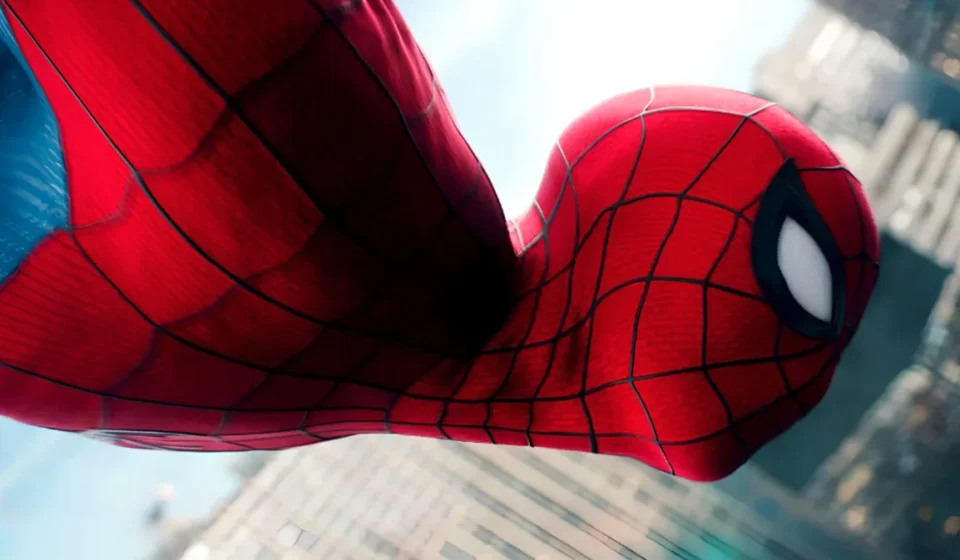

The Spider-Man franchise has long been the crown jewel of the Marvel cinematic landscape, yet for years, audiences have debated the technical and emotional efficacy of its signature spectacle: webslinging. With the release of Spider-Man: Brand New Day, directed by Destin Daniel Cretton, the conversation has shifted. Critics and audiences alike are hailing the film not just as a triumphant return to form for Tom Holland’s Peter Parker, but as a technical masterclass that finally bridges the gap between digital interactivity and cinematic immersion. By evolving the physics and emotional stakes of movement, Brand New Day has achieved something no previous iteration could: it has made the act of swinging through New York a narrative engine in its own right.
The Core Narrative: A Hero Forged in Trauma
To understand the technical success of Brand New Day, one must first acknowledge the gravity of its premise. Following the cataclysmic events of Spider-Man: No Way Home, Peter Parker exists in a vacuum. With Aunt May deceased and his closest companions, MJ and Ned, stripped of their memories of his existence, Peter is a man untethered.
Unlike previous films that often moved quickly past the repercussions of superhero life, Brand New Day anchors its plot in the concept of suppressed trauma. The film introduces a "spider-pubescence" arc—a physical manifestation of Peter’s internal instability. As his powers fluctuate and his temperament grows increasingly aggressive, the audience witnesses a version of Spider-Man who is failing to maintain the moral equilibrium that once defined him. It is a grounded, somber exploration of grief, and it is here that the film’s innovative cinematography truly shines.
Chronology of Cinematic Webslinging
To appreciate the achievement of Brand New Day, it is necessary to look back at the evolutionary timeline of Spidey’s movement on screen:
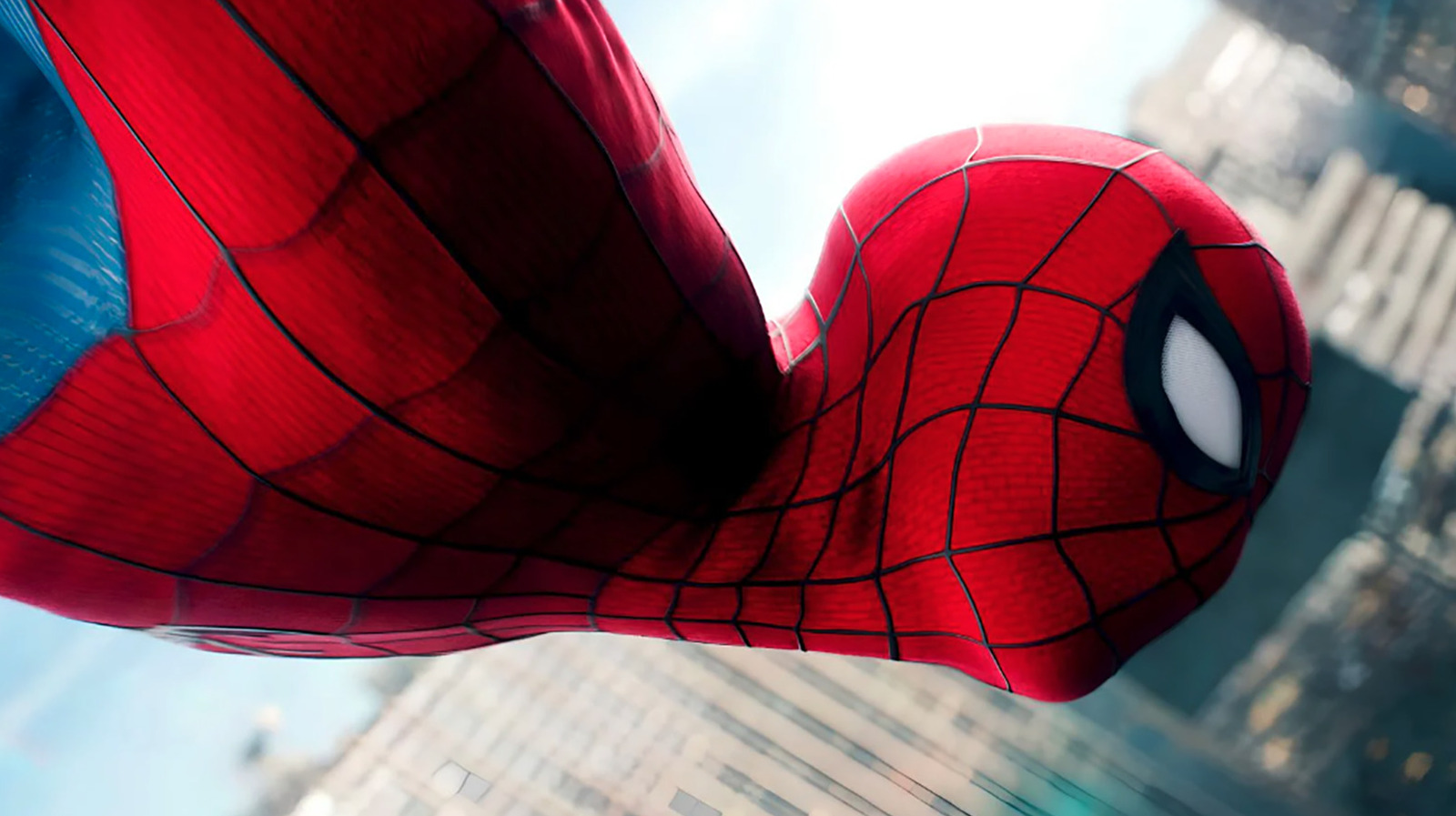
- The Sam Raimi Era (2002–2007): Raimi’s trilogy set the gold standard for "swinging" as a romantic, sweeping cinematic experience. The focus was on the grandeur of the city and the sheer joy of flight, using a more stylized, almost balletic approach to movement.
- The Marc Webb Era (2012–2014): The Amazing Spider-Man introduced the first-person perspective (POV) and added a tactile, kinetic energy to the web-swinging. Webb emphasized physics, such as wind resistance and the impact of gravity on the suit, creating a more visceral, "weighty" feel.
- The MCU Era (2016–2021): Holland’s initial outings focused on the tech-heavy aspect of the suit, often relying on digital fluidness that, while exciting, sometimes lacked the grounded, "human" element of the earlier films.
- The Insomniac Games (2018–2023): The Marvel’s Spider-Man video games redefined the genre by placing the controller in the hands of the player, creating a sense of momentum and "flow state" that many films struggled to replicate.
- The Present: Brand New Day synthesizes these eras, taking the weight of Webb’s physics, the spectacle of Raimi’s vision, and the momentum-driven, immersive flow of the Insomniac games to create a holistic experience.
Supporting Data: The Technical Innovations
The brilliance of Brand New Day lies in the collaboration between director Destin Daniel Cretton and the film’s stunt and visual effects teams. The film utilizes a higher density of in-camera fight scenes combined with intricate wire work, which provides a level of realism often lost in CGI-heavy blockbusters.
Immersive Cinematography
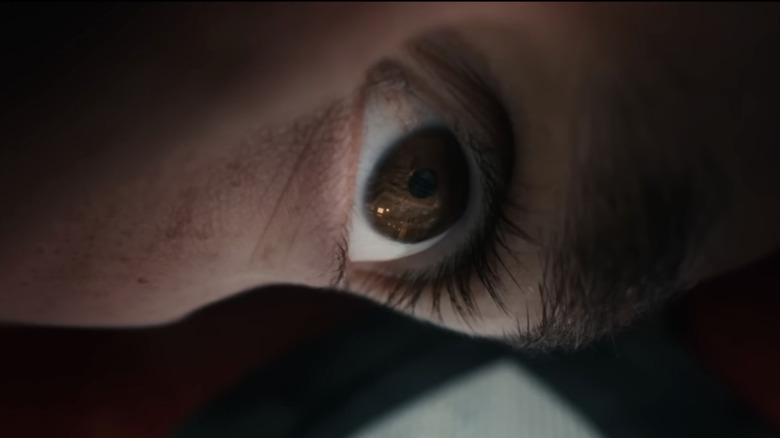
One of the most notable technical shifts is the use of the "internal perspective." By frequently cutting to extreme close-ups of Peter’s mask—specifically the eye-lenses—the film forces the viewer to experience the vertigo of a fall alongside him. The sound design plays a critical role here; the audible, rhythmic breathing of Peter, contrasted against the deafening roar of wind rushing past the fabric of the suit, creates a sensory overload that places the audience directly behind the mask.
The "Verticality" of Emotion
Perhaps the most symbolic use of webslinging occurs when a distressed Peter Parker swings through the city without his suit. This sequence, stripped of the mechanical armor of the Spider-Man persona, serves as a visual metaphor for his vulnerability. By falling vertically through the skyline rather than swinging through it, the film highlights his lack of control. It is a rare moment where the movement of the character perfectly mirrors the character’s psychological disintegration.
Official Responses and Industry Reception
While full box office figures are still being tallied, the industry response has been overwhelmingly positive. Sony Pictures and Marvel Studios have both signaled satisfaction with the film’s reception, noting that the "grounded" nature of the film has resonated with a demographic that was beginning to experience "superhero fatigue."
"The goal was never to make it ‘bigger,’ but to make it ‘closer,’" stated one production source familiar with the film’s development. "We wanted the audience to feel the strain on Peter’s muscles and the terror in his lungs. If the audience isn’t breathless when the scene ends, we haven’t done our job."
Critics have pointed to the film’s ability to draw inspiration from the Insomniac video games as a masterstroke. By adopting the "flow" mechanics—where movement is continuous, rhythmic, and momentum-based—the film avoids the "start-stop" feel that plagued earlier entries. The seamless transition from combat finishers (which mirror the game’s combat system) into high-speed traversal is being hailed as the new standard for the genre.
Implications for the Future of the Franchise
The success of Brand New Day sends a clear message to the industry: audiences are craving narrative-driven spectacle. The implication is that the future of the Marvel Cinematic Universe—and the Spider-Man franchise specifically—lies in the integration of technical innovation with character psychology.
A New Standard for Immersion
Going forward, it is unlikely that Marvel will return to the purely "theatrical" style of webslinging. The precedent set by Brand New Day suggests that directors will now be expected to justify every swing, every dive, and every web-line as an extension of the protagonist’s emotional state. If the character is confident, the swing is smooth and rhythmic; if the character is traumatized, the swing is erratic, dangerous, and claustrophobic.
The Gamification of Cinema
Moreover, the film’s success validates the influence of interactive media on film. The "gamification" of camera work—using dynamic, fast-moving shots that mimic the perspective of a player—has proven that video games can serve as a legitimate creative blueprint for blockbuster filmmaking. This could lead to a deeper collaboration between game studios and film directors in the coming years.
Conclusion: A New Dawn for Spidey
Spider-Man: Brand New Day is not just a triumph of choreography or a victory for special effects; it is a profound exploration of what it means to be Spider-Man. By focusing on the trauma beneath the mask and utilizing the environment as a mirror to that pain, Destin Daniel Cretton has delivered the most human entry in the franchise to date.
As Peter Parker moves forward from the ashes of his past, he carries the weight of his losses with him, quite literally, in every swing. For fans who have watched the web-head navigate the New York skyline for over two decades, this is the version of Spider-Man we have been waiting for: one who isn’t just flying through the city, but feeling every gust of wind, every broken bone, and every step toward healing. Brand New Day has set a high bar, and the future of the wall-crawler has never looked more promising.