Eighty Years of Resilience: Inside the 60th Karlovy Vary International Film Festival

The Karlovy Vary International Film Festival (KVIFF) is more than just a cinematic gathering; it is a living document of Central European history. In 2026, the festival marked a monumental milestone: its 60th edition, spanning a turbulent, transformative 80-year existence. Held in the picturesque spa town of Karlovy Vary, the festival has survived the iron grip of occupation, the shifting tides of state ideology, and the transition into a modern, democratic powerhouse of global cinema. This year’s "Vary Special" celebration was not merely an act of nostalgia, but a robust reaffirmation of the festival’s relevance in the contemporary cultural landscape.
A Legacy Forged in Turmoil
The origins of KVIFF are rooted in the immediate aftermath of the Second World War. Inaugurated in 1946, the festival emerged just as Czechoslovakia was reclaiming its sovereignty from Nazi occupation. In a remarkable feat of cultural diplomacy, it launched only weeks before the inaugural Cannes Film Festival, staking an early claim as a bastion of European artistic expression.
By 1958, the festival had secured a category-A status from the International Federation of Film Producers Associations (FIAPF)—a designation reserved for the world’s most prestigious festivals. However, this ascent was complicated by the Cold War. For decades, the Soviet Union dictated that Karlovy Vary should alternate years with the Moscow International Film Festival, a geopolitical maneuver intended to synchronize the cultural outputs of the Eastern Bloc. It was not until 1994, two years after the peaceful dissolution of Czechoslovakia into the independent Czech Republic, that the festival fully unshackled itself from these external pressures, embarking on a path of total editorial independence.

The Brutalist Sanatorium: An Aesthetic Identity
KVIFF’s headquarters, the Hotel Thermal, remains a defining element of its character. A Brutalist architectural landmark, the hotel offers an atmosphere that visitors often describe as a "nostalgic sanatorium." The juxtaposition of this rigid, grey-concrete aesthetic against the lush, gilded charm of the surrounding spa town mirrors the festival’s broader philosophy: a proudly progressive institution that respects its Communist-era history without being defined by its ideological baggage.
The festival’s operational ethos is equally distinct. By implementing a cap of three tickets per day, organizers intentionally discourage the "binge-watching" culture that plagues other major festivals, encouraging attendees to slow down and engage deeply with the programming. This year’s menu was a masterclass in balance, offering regional debuts of high-profile films from Sundance, Berlinale, and Cannes alongside a treasure trove of Eastern European deep cuts, both new and historical.
Rituals and Retrospectives: The 60/80 Program
The festival’s identity is reinforced by its beloved traditions, most notably the eccentric black-and-white trailers directed by Ivan Zachariáš. These short films, which feature celebrity Crystal Globe winners in absurdist scenarios—such as Mel Gibson fending off robbers or Stellan Skarsgård using a trophy as fishing bait—serve as a reminder that KVIFF does not take itself too seriously, despite its prestige.

This year, the "Out of the Past – KVIFF 60/80" retrospective provided the historical spine of the event. The program was a comprehensive survey of milestone cinema, ranging from Powell and Pressburger’s 1946 masterpiece A Matter of Life and Death—which signaled the return of free expression to Czechoslovakia—to the courtroom drama The Defendant (1964) and Ken Loach’s Kes (1970). The retrospective also courageously spotlighted works like Juraj Jakubisko’s Birds, Orphans and Fools (1969), a film that remained suppressed by the state until 1990. By screening these once-banned works alongside global pillars like Glauber Rocha’s Barravento (1962), the festival demonstrated its long-standing commitment to artistic freedom across all borders.
The Competitive Pulse: New Voices and Global Realities
While the retrospective looked backward, the competition sections looked firmly toward the future. The Proxima section, which replaced the old "East of the West" category five years ago, has successfully transitioned from a geographically restricted competition to a borderless showcase for emerging talent.
The Grand Prix winner, Lover, Not a Fighter by Slovak director Martina Buchelová, perfectly encapsulated this shift. The film is a raw, fragmented exploration of youthful aimlessness and intimacy, utilizing a chaotic montage of vertical phone footage to mirror the digital-first reality of its protagonists. It is a bold, scrappy debut that suggests a new, unpolished direction for regional cinema.

Meanwhile, the Crystal Globe competition focused on established auteurs. Aung Phyoe’s Fruit Gathering took home the top honor, a testament to the festival’s truly global outlook. However, the most discussed film of the competition was arguably the Bulgarian drama Black Money for White Nights by Kristina Grozeva and Petar Valchanov.
Implications: The Politics of Nostalgia
Black Money for White Nights serves as an unofficial coda to the festival’s 80-year history. The film follows an elderly couple who, blinded by a romanticized, idealized version of Soviet history, attempt to take a trip to St. Petersburg even as the current invasion of Ukraine unfolds. The film is a piercing critique of the "illusion of distance"—the idea that one can simply turn down the volume on history and live in a curated past.
The film’s reliance on high-key lighting and a chromatic, almost artificial palette emphasizes the couple’s psychological entrapment. Their living room, wallpapered in images of birch forests, represents a "postcard version" of Russia that has been dismantled by contemporary reality. That the film did not win a major prize is telling; its themes touch directly upon the very history the festival has sought to reconcile. By screening it, KVIFF proved that it is no longer afraid to confront the ghosts of its own past.

Cinematic Highlights of 2026
Two other standout films from this year’s slate, both coincidentally featuring the word "time" in their titles, anchored the festival’s contemporary offerings:
- A Man of His Time (Emmanuel Marre): A sprawling, 155-minute exploration of moral compromise during the Vichy regime. Swann Arlaud delivers a chilling, nuanced performance, balancing charisma and cowardice in a way that makes the banality of evil feel terrifyingly intimate. The stationary, fly-on-the-wall cinematography forces the audience to sit in the discomfort of history.
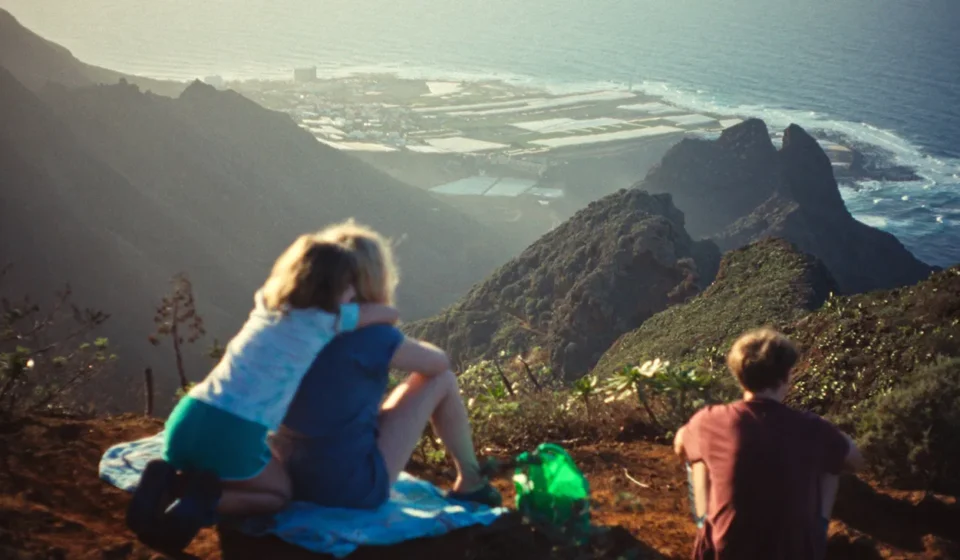
- Everytime (Sandra Wollner): A masterful, memory-based piece that echoes the emotional resonance of Aftersun (2022). With cinematography by Gregory Oke, Wollner constructs a hallucinogenic, urban reality that explores childhood grief. It is a film that trusts the power of fiction to provide a cathartic release for the traumas of the real world.
Conclusion: A Future Reclaimed
As the 60th edition of KVIFF drew to a close, the sense of accomplishment was palpable. The festival has survived where others have folded, not by ignoring its complex history, but by weaving it into the fabric of its current identity. The "Vary Special" anniversary was a testament to the resilience of the Czech cultural spirit. By championing both the restoration of suppressed classics and the bold, messy voices of the next generation, the Karlovy Vary International Film Festival has solidified its position as a vital, necessary, and constantly evolving institution on the world stage. It remains a place where the past is not forgotten, but actively engaged, debated, and ultimately, reclaimed.