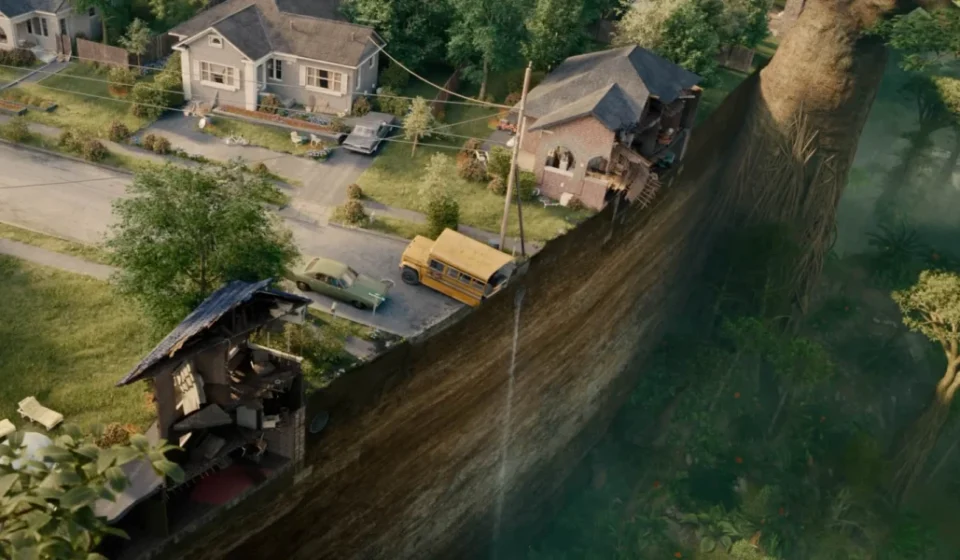
Beyond the Cul-de-Sac: Deconstructing the Visual Spectacle of ‘The End of Oak Street’

In the landscape of modern cinema, few directors possess the distinct, genre-bending vision of David Robert Mitchell. With The End of Oak Street, Mitchell pivots from the grounded dread of his previous works toward a high-concept, time-bending suburban odyssey. Starring industry heavyweights Anne Hathaway and Ewan McGregor as the matriarch and patriarch of the beleaguered Platt family, the film is more than just a survival thriller; it is a masterclass in visual storytelling and production design.
As the latest installment of The VFX Show (Episode 309) explores, the film serves as a pivotal case study in how digital environments and practical effects can coalesce to create a sense of temporal displacement. This article delves into the production, the reception, and the technical wizardry behind one of the most discussed films of the year.
Main Facts: A Suburban Nightmare Unfolds
The End of Oak Street centers on the Platt family, whose quiet, idyllic life is shattered by an anomalous event that forcibly uproots their neighborhood, casting it into a non-linear, unknown dimension. The narrative premise is simple: the Platts must reconcile their internal domestic tensions while facing the existential threat of being trapped in a space where the past and present collide.
The film marks a significant departure for lead actors Anne Hathaway and Ewan McGregor, who anchor the high-concept chaos with raw, grounded performances. Critics have noted that while the plot involves heavy science fiction elements—shifting timelines and spatial anomalies—the heart of the movie remains firmly rooted in the emotional stakes of the Platt family dynamic.
Production-wise, the film relies heavily on "invisible" visual effects (VFX). Unlike traditional blockbusters that use CGI to create fantastical creatures or explosive set pieces, Mitchell utilizes VFX to subtly distort reality, making the familiar architecture of a suburban street feel alien, claustrophobic, and increasingly erratic.
Chronology of the Production
The journey of The End of Oak Street from script to screen was a meticulous endeavor spanning over two years of pre-production, principal photography, and an extensive post-production phase.
Phase 1: Conceptualization and World-Building
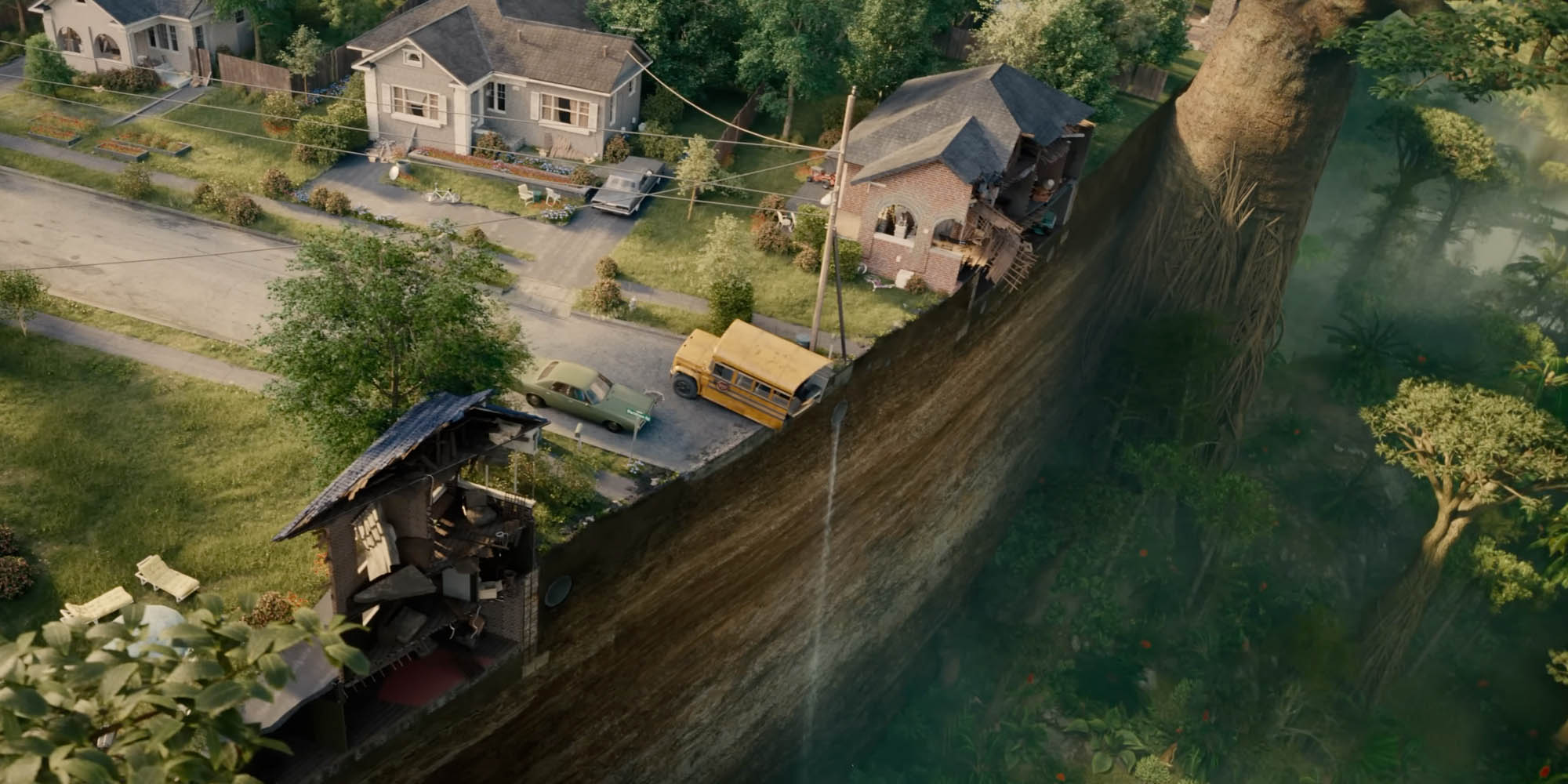
David Robert Mitchell began drafting the screenplay with a focus on "temporal isolation." The core challenge was designing a neighborhood that could exist in a vacuum. Production designers worked closely with VFX supervisors to ensure that the physical sets could be seamlessly extended through digital matte painting and 3D modeling.
Phase 2: Principal Photography
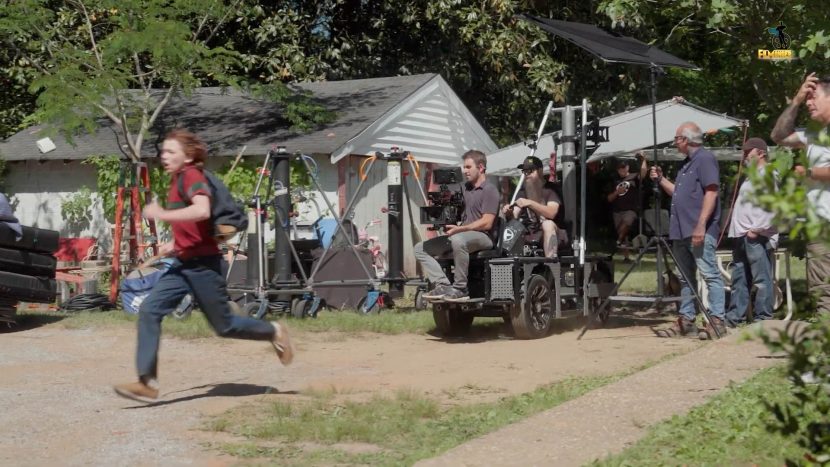
Filming took place over 85 days, primarily on location, but with significant green-screen supplementation. The production team utilized a unique "rotating set" technique to simulate the feeling of the neighborhood being pulled through time. Hathaway and McGregor were reportedly required to navigate physically shifting sets, adding a layer of authenticity to their reactions of disorientation.
Phase 3: The Post-Production Grind
The post-production phase was characterized by a heavy focus on color grading and atmospheric lighting. To differentiate the various "time zones" the neighborhood encounters, the VFX team implemented distinct palettes, shifting from the desaturated, cold tones of a dying past to the harsh, high-contrast light of an uncertain future.
Supporting Data: The Technical Breakdown
The latest episode of The VFX Show offers a forensic look at the film’s construction. Host Mike Seymour, joined by Matt Wallin and Jason Diamond, breaks down the specific challenges the VFX team faced in maintaining continuity during the film’s more chaotic sequences.
The Integration of Practical and Digital
One of the most praised aspects of the film is the seamless integration of practical effects. The "shifting" of the houses was not entirely digital; the production team employed hydraulic rigs to create micro-movements, which were then enhanced in post-production with digital debris and atmospheric lensing. This "hybrid" approach, according to the panel, is what keeps the audience grounded despite the fantastical premise.
The Role of Lighting in Narrative
Technically, the film utilizes dynamic lighting to indicate the passage of time. The VFX department utilized sophisticated ray-tracing techniques to ensure that the light hitting the actors’ faces matched the impossible geometry of the skybox. This attention to detail is what prevents the film from feeling like a standard "green screen" production.
Official Responses and Critical Debate
The reception of The End of Oak Street has been a subject of intense debate among cinephiles and industry professionals. While audiences have largely praised the performances of Hathaway and McGregor, the film’s pacing has become a central point of contention.
The Panel Discussion (Episode 309)
During the recent panel on The VFX Show, the hosts engaged in a vigorous critique:
- Matt Wallin argued that the VFX serves the story perfectly, noting, "The technology doesn’t show. You aren’t looking at the pixels; you’re looking at the Platts’ fear."
- Jason Diamond provided a more nuanced perspective, questioning whether the film’s reliance on technical spectacle occasionally obscured the development of the supporting cast.
- Mike Seymour highlighted the production’s commitment to "invisible effects," suggesting that the film sets a new standard for how medium-budget sci-fi can achieve high-concept results without sacrificing narrative intimacy.
The consensus remains that the film is a bold experiment. Whether it succeeds as a cohesive story is left to the viewer, but its success as a visual achievement is widely accepted within the industry.
Implications for the Film Industry
The End of Oak Street serves as a signpost for where the film industry is heading. With the rise of accessible high-end rendering tools, smaller teams are capable of producing work that was once the exclusive domain of massive studio blockbusters.
The Democratization of Sci-Fi
The film proves that a "neighborhood" story—traditionally a low-budget trope—can be elevated to epic proportions through thoughtful visual design. Producers are looking at Mitchell’s work as a potential blueprint for future sci-fi projects that prioritize tone and atmosphere over mindless action.
The Future of Performance-Driven VFX
By casting powerhouse actors like Hathaway and McGregor in a high-concept film, the production has signaled a shift in how A-list talent views digital-heavy projects. The stigma once associated with "green screen acting" is fading, provided the director offers a strong enough vision for the environment the actors are inhabiting.
Conclusion: A Lasting Impression
As the dust settles on the release of The End of Oak Street, the film leaves behind a trail of questions. What is the nature of the event that took the Platts? Is the neighborhood trapped, or has it become something else entirely?
For those interested in the craft behind the camera, the deep dive provided by the team at The VFX Show is an essential resource. By dissecting the choices made by David Robert Mitchell and his crew, viewers gain a newfound appreciation for the labor, the logistics, and the artistry required to turn a simple cul-de-sac into the stage for an existential crisis.
Whether you left the theater feeling exhilarated by the spectacle or perplexed by the narrative’s temporal loops, one thing is certain: The End of Oak Street has successfully carved out a unique space in the lexicon of modern science fiction.
Join the conversation:
For those who have seen the film, the team behind The VFX Show invites you to reach out with your own theories and critiques. You can contact the panel via email at the official address provided on their site. Don’t forget to subscribe to the podcast on Apple, Spotify, or your preferred RSS feed, and check out the behind-the-scenes content on their YouTube channel.
As we look toward the future of filmmaking, stories like this remind us that while the tools of our craft are constantly evolving, the core of the experience remains the same: the human face, the human reaction, and the enduring power of a story that forces us to look at our own backyards a little differently.