
Warning: This article contains major spoilers for the penultimate episode of "Silo" Season 3, "Farewell."
The landscape of prestige television has become increasingly dominated by the sub-genre of "bunker-core"—stories that grapple with the survival of the human species in the wake of total nuclear annihilation. While Apple TV+’s Silo has spent two seasons building a claustrophobic, slow-burn mystery regarding the nature of the subterranean world, its third season has suddenly shifted gears. With the penultimate episode, "Farewell," the show has delivered its most terrifying sequence to date, drawing inevitable comparisons to the aesthetic and thematic nihilism found in Prime Video’s hit adaptation of Fallout.
As the show approaches its season finale, the veil is finally being pulled back, revealing that the true horror of the Silo universe may not be the confined spaces themselves, but the cold, calculated orchestration of the apocalypse that necessitated them.
The Chronology of Collapse: A Tale of Two Apocalypses
To understand the weight of the "Farewell" episode, one must look at the structural narrative choices made by the showrunners. For seasons, Silo operated as a character-driven mystery about the suppression of truth. However, "Farewell" functions as a bridge between the past and the present, utilizing a flashback sequence that reframes the entire history of the franchise.
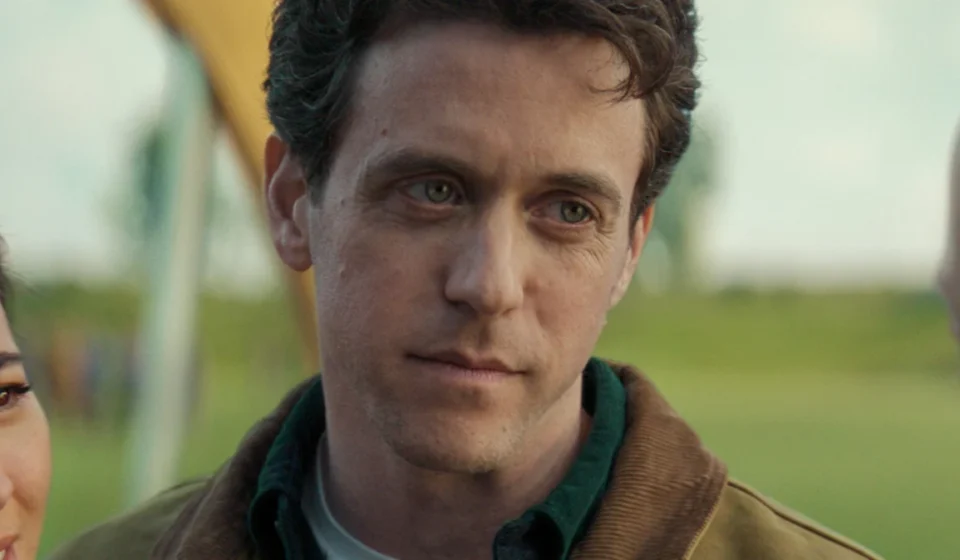
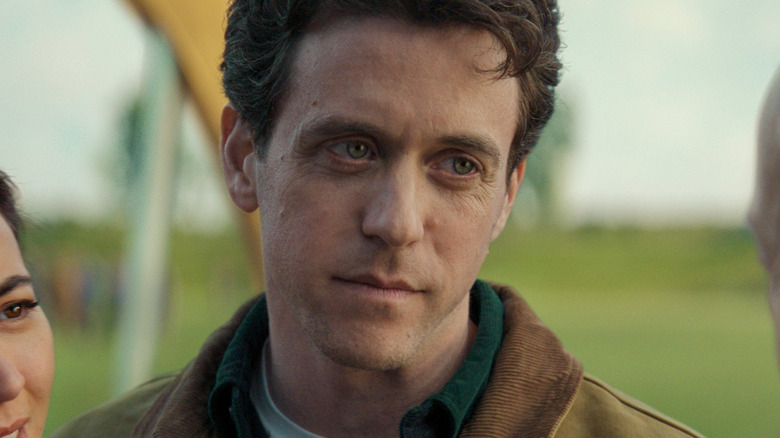
In the episode, we see Daniel Keene (Ashley Zukerman) and Helen Drew (Jessica Henwick) arriving for the grand inauguration of the silos. The scene is framed with a deceptive sense of mundane corporate excitement. Helen is guided into Silo 18, while Daniel is diverted to a tour of Silo 1—a separation that, in hindsight, serves as the definitive moment of betrayal for the characters.
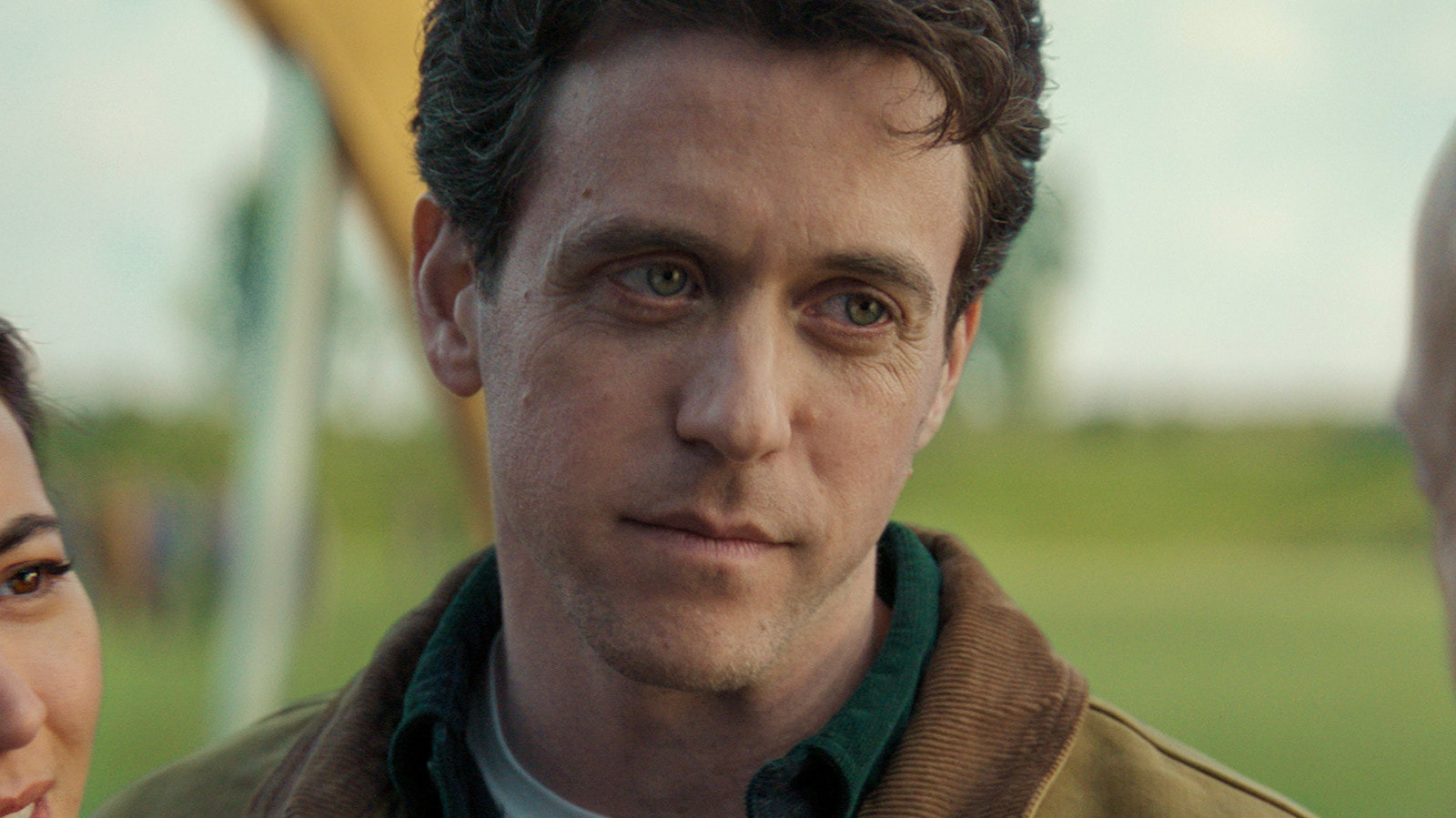
The chronology of this sequence is vital. Just as the public is being introduced to the "lifeboats" of humanity, the sky over Atlanta ruptures. The explosion is not depicted as a distant, cinematic spectacle but as a visceral, blinding event that strips the characters of their senses and, ultimately, their agency.
This sequence mirrors the opening of Fallout, where Cooper Howard (Walton Goggins) experiences the flash of a nuclear detonation while at a children’s birthday party. Both shows utilize the "Golden Hour" of a normal day to maximize the impact of the nuclear flash, but where Fallout lingers on the slow-motion realization of doom, Silo opts for a sharper, more immediate collapse. It is a transition from civil society to absolute bunker-survivalism in a matter of minutes.
Deconstructing the "Algorithm" and the Myth of IT
The episode also marks a turning point for the series’ lore. With the departure of Bernard Holland (played with chilling restraint by Tim Robbins), the audience is given a final, cryptic revelation: the "Algorithm" that has governed the Silo’s operations—long feared as a malevolent, all-knowing Artificial Intelligence—may in fact be a human actor.
This shift in perspective is crucial. By moving the antagonist from the realm of cold, unfeeling machine logic to the realm of human malice, the show deepens the betrayal felt by the citizens of the Silo. If the governing force is a human (or a line of humans), the "Pact" that dictates every facet of life in the Silo is revealed to be nothing more than "AI slop"—a placeholder for authoritarian control.
The Shadow of the Billionaire: Per Stensen’s Grand Design
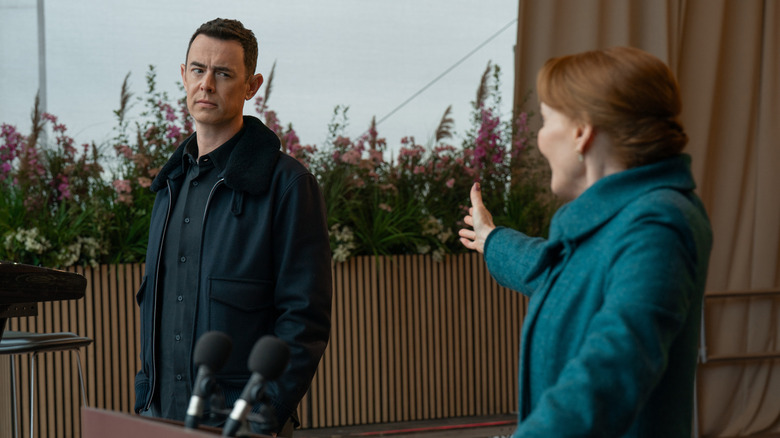
A central pillar of the Silo narrative is the role of Per Stensen (Colin Hanks). Throughout the season, Stensen has been presented as a visionary, a man who foresaw the end of the world and acted to preserve the species. However, as "Farewell" draws to a close, the show challenges the "noble billionaire" trope that has permeated modern science fiction.
The Problem with Philanthropic Apocalypses
In recent years, television has explored the idea of the "techno-savior." From Hulu’s Paradise to the broader themes in Fallout, the narrative of a wealthy elite "saving" the world through bunkers is often framed as a conflict between survival and ethics.
In Silo, the evidence suggests a much darker reality: the orchestration of the disaster. If Stensen knew exactly when the silos would be ready and if he had already established a system to "leak" the project to the public to deflect suspicion, the timing of the Atlanta explosion becomes suspicious. The implication is that the explosion was not an act of war by an outside nation, but a triggered event designed to force the population into the bunkers—the ultimate "locked-in" customer base.
This narrative beats directly against the reveal in Fallout Season 1, where it was confirmed that the corporations behind Vault-Tec essentially scheduled the end of the world to maximize their own stock value and power. By mirroring this plot point, Silo is making a definitive statement about the dangers of unchecked wealth and the commodification of survival.
Implications for the Season Finale
As we look toward the final episode of Season 3, the stakes have been fundamentally rewritten. The mystery is no longer "what is outside the Silo," but rather "who decided to destroy the world to ensure the Silo’s success?"
Theoretical Implications:
- The Human Variable: If the Algorithm is a person, the finale will likely involve a confrontation with this individual. This forces the protagonist to ask whether the system is worth saving if it was built on a foundation of mass murder.
- The "Outside" Reality: If the blast was localized and engineered, does it imply that the world outside is not as "dead" as the residents of the Silo are led to believe? This would set up a massive expansion of the world-building for a potential fourth season.
- The Ethical Collapse: The characters are now forced to reckon with the fact that their survival was bought with the lives of everyone else. The psychological toll of this realization will likely be the focal point of the finale’s emotional climax.
Official Responses and Creative Direction
While Apple TV+ has remained tight-lipped regarding the specifics of the finale, the creative team has emphasized that Season 3 was designed to "pull back the curtain" on the series’ most persistent mysteries. In interviews, showrunners have suggested that the comparison to Fallout is not entirely coincidental, as both series explore the "post-capitalist" anxiety of a world where the future has been pre-packaged and sold to the highest bidder.
The production design of the "Farewell" episode—specifically the contrast between the pristine, optimistic aesthetics of the Silo inauguration and the brutal, monochromatic destruction of the Atlanta skyline—was a deliberate choice to emphasize the loss of innocence.
Conclusion: The Horror of the Architect
The genius of Silo lies in its ability to take a high-concept premise and ground it in the darkest elements of human nature. By aligning the show’s turning point with the thematic beats of the nuclear age, the writers have transformed the Silo from a mere shelter into a cage.
As the final episode looms, the question remains: Can the residents of Silo 18 ever truly be free if the architects of their confinement are still pulling the strings? The events of "Farewell" suggest that the most dangerous thing in the wasteland is not the radiation or the monsters, but the man who decided to build the wall in the first place. Whether this leads to a total collapse of the system or a new, terrifying era of governance remains to be seen. One thing is certain: the world of Silo will never be the same again.