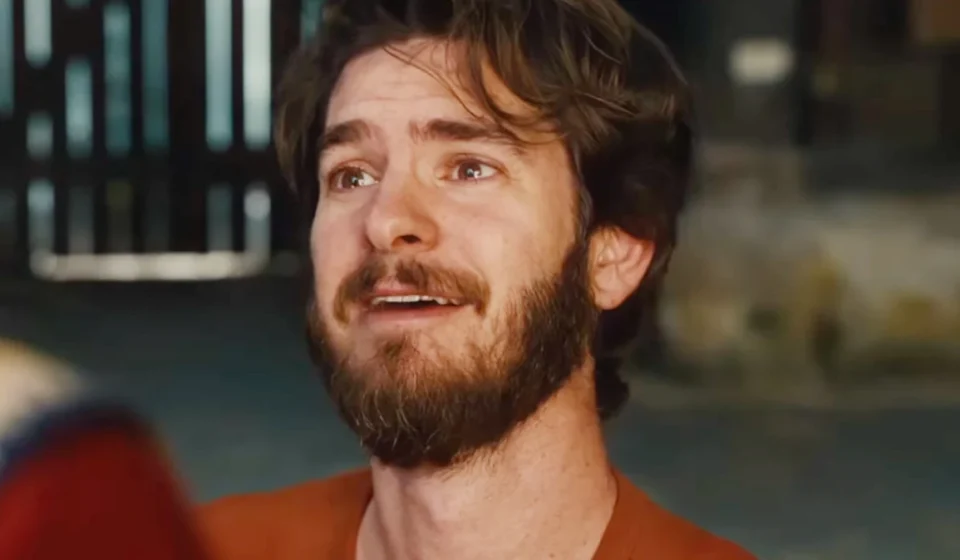

In the volatile landscape of 2026 cinema, few stories are as stark as the domestic opening of The Magic Faraway Tree. Based on the beloved literary series by Enid Blyton—a staple of British children’s literature—the film arrived with significant pedigree. Starring Academy Award nominee Andrew Garfield and The Crown’s Claire Foy, the project seemed poised to capture the family-friendly demographic. Instead, the film’s North American debut has become a case study in market misalignment, ultimately setting an unwanted box office record for its leading man.
The Bare Facts: A Quiet Debut
The Magic Faraway Tree, directed by Ben Gregor, stumbled significantly in its domestic rollout. Opening across 1,611 screens in North America, the film generated a meager $1.3 million, failing to secure a spot in the top 10 rankings. To provide context, the film was outperformed by smaller, genre-specific releases, such as the ultra-post-modern slasher flick Teenage Sex and Death at Camp Miasma, which secured $1.9 million despite being restricted to just 1,036 screens.
While the film’s international performance offers a slight buffer—having earned $30.6 million since its staggered global rollout began in March—the domestic failure is undeniable. With a global running total of $32 million, the film’s path to profitability remains obscured by the steep costs of marketing and distribution.
Chronology of a Disappointment
The trajectory of The Magic Faraway Tree serves as a sobering reminder of the unpredictability of theatrical releases.
- March 2026: The film begins its international rollout. Early returns appear promising, suggesting that the Enid Blyton brand still holds significant weight in overseas markets.
- Late Spring 2026: Marketing efforts ramp up in North America, emphasizing the star power of Garfield and Foy and the visual spectacle of the film’s fantastical worlds.
- Opening Weekend: Despite moderate industry expectations, the film suffers from a lack of audience awareness and competition from other theatrical offerings. It misses the top 10 entirely.
- Post-Release: Analysts begin comparing the film’s performance to previous wide-release entries in Garfield’s career, highlighting the historical significance of this particular commercial slump.
An Unwanted Milestone for Andrew Garfield
The failure of The Magic Faraway Tree has cast a spotlight on the career statistics of Andrew Garfield. Industry data confirms that this film now holds the record for the lowest-earning opening weekend for any wide-release film in the actor’s storied career.
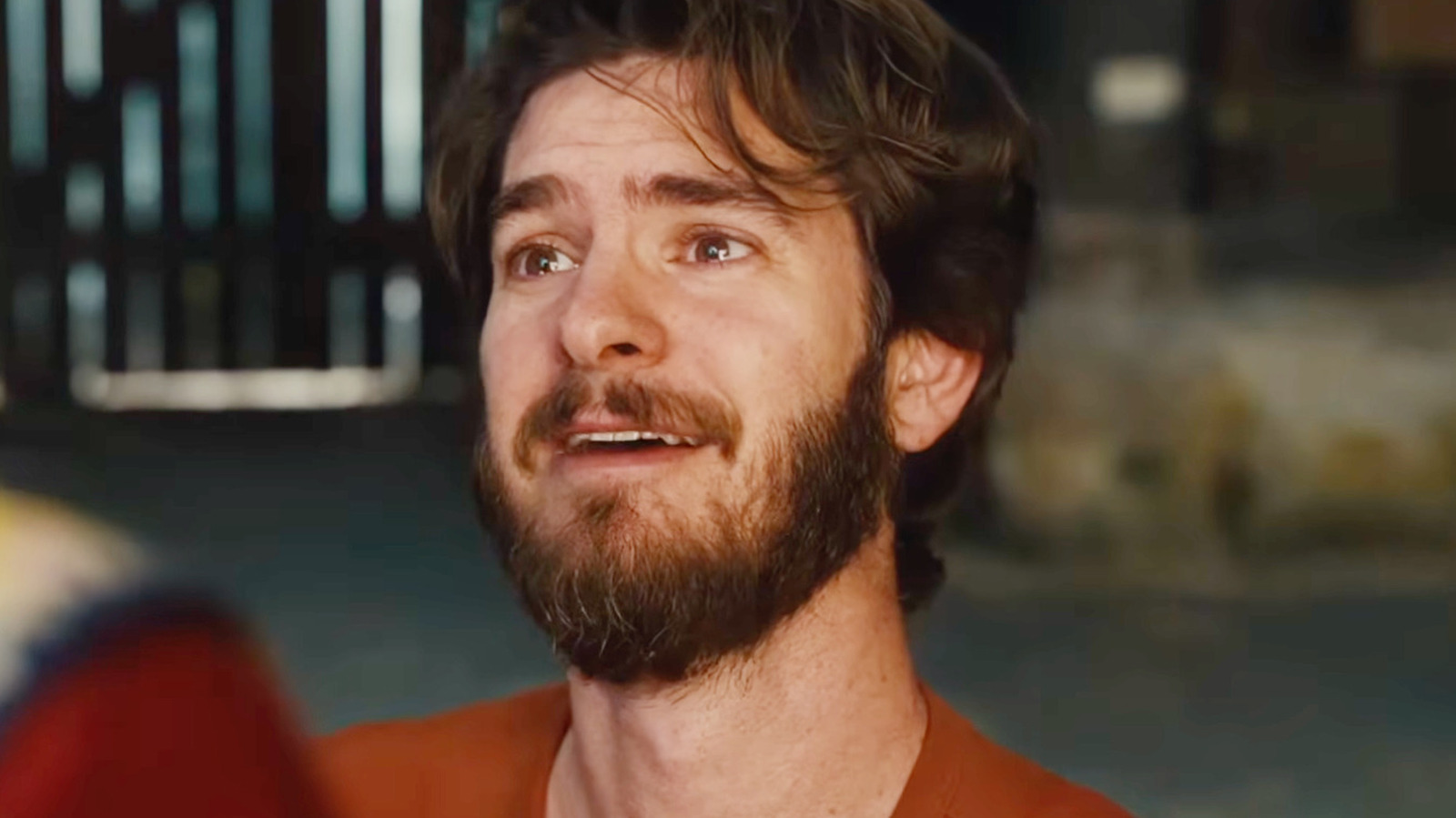
For years, that dubious distinction was held by the 2007 political drama Lions for Lambs, which featured Garfield alongside Tom Cruise and Robert Redford. That film opened to a modest $6.7 million. While Garfield has certainly appeared in films with lower opening figures—such as the indie drama 99 Homes—those projects were characterized by limited, platform-style releases. The Magic Faraway Tree, by contrast, was positioned as a mainstream wide release, making its $1.3 million haul a statistical outlier that cannot be excused by the "indie" label.
Contextualizing the Market: Why Did It Fail?
To understand the failure, one must look at the landscape of the 2026 box office. The weekend in question saw Insidious: Out of the Further dominate the conversation with a $25.1 million opening. While horror and family fantasy audiences rarely overlap, the total saturation of the theatrical space meant that The Magic Faraway Tree was effectively invisible to the average moviegoer.
Furthermore, the distributor, Vertical Entertainment, has faced significant scrutiny. The company has become known for acquiring domestic rights to international films as a low-risk strategy, but their recent track record has been rocky. In 2026, Vertical was also the distributor for Desert Warrior, which has been cited as one of the biggest box office flops in cinematic history. When a distributor with a history of underperforming releases handles a high-profile project, the lack of a robust promotional engine often results in "dead on arrival" box office numbers.
The Role of the Distributor and Industry Trends
Vertical Entertainment’s involvement in the film highlights a growing trend: the "dumping" of mid-budget films into theaters without the necessary marketing muscle to compete with franchise giants. Other recent projects, such as the Sydney Sweeney-led Eden, have also struggled under the banner of smaller distributors.
This model relies on the assumption that a film’s star power will naturally drive ticket sales. However, as the 2026 box office has shown, star power is no longer a guaranteed currency. Audiences are becoming increasingly selective, often choosing to wait for high-concept fantasy films to hit streaming platforms rather than risking a trip to the cinema for a title they perceive as "niche" or "unproven."
Implications for the Future of Fantasy Cinema
The failure of The Magic Faraway Tree does not imply that audiences have lost their appetite for fantasy. Rather, it suggests a shift in how these stories must be packaged.
- Brand Recognition: While Enid Blyton is a legend in literature, the specific IP of The Magic Faraway Tree may lack the modern cultural cachet required to lure younger, TikTok-influenced audiences into seats.
- Streaming Transition: It is highly likely that the film will find a second life on streaming services. The film’s aesthetic—a blend of whimsical, fantastical environments and high-caliber acting—is tailor-made for home viewing environments where the "event" nature of a theatrical release is less relevant.
- The "Star Power" Fallacy: As noted by industry experts, this failure should not be attributed to Andrew Garfield’s performance. Garfield remains a highly respected actor, and his commitment to the role of Tim is evident. Placing the blame for a box office miss on a single performer ignores the complex machine of distribution, release timing, and market saturation.
Conclusion: Lessons Learned
The story of The Magic Faraway Tree is a quintessential 2026 Hollywood cautionary tale. It is a reminder that even with A-list talent, established source material, and a well-intentioned production, the theatrical market remains a brutal environment.
While the film has set an unfortunate record for Andrew Garfield, the actor’s career remains bulletproof; one performance in a mismanaged wide release does not diminish his body of work. For the industry at large, however, the lesson is clear: in an era where streaming services dominate the domestic living room, the threshold for what constitutes a "theatrical" success is higher than ever. If a film cannot command the attention of the public through aggressive marketing and a clear, compelling hook, it is destined to get lost in the noise—no matter how many stars are on the marquee.