The Return of the Spoof: How the Wayans Family Reclaimed Their Legacy in Scary Movie (2026)

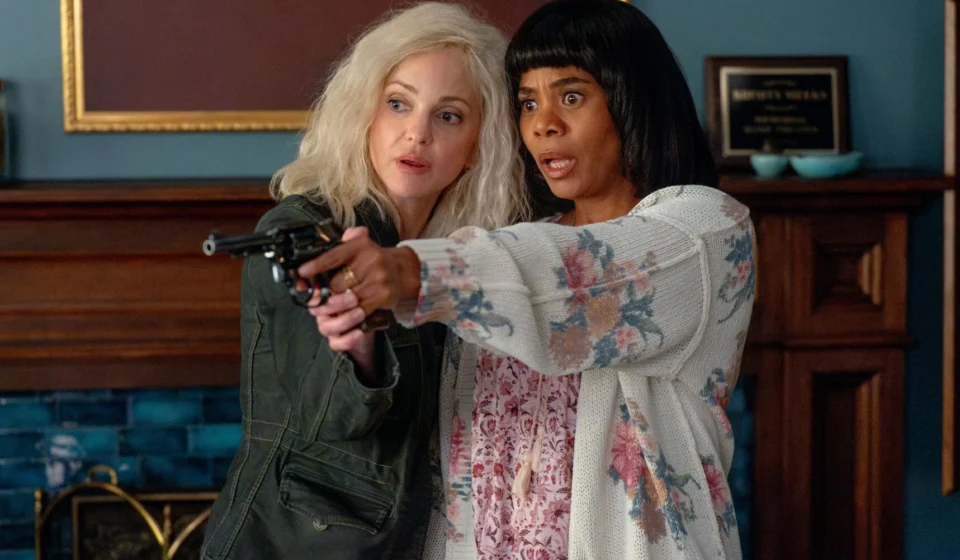
The release of the latest Scary Movie installment in 2026 serves as more than just a box-office event; it is a cinematic act of reclamation. While the marketing materials pointedly omit the numeral "6," the film is the sixth entry in the franchise—and the first in over two decades to feature the direct creative stewardship of the Wayans family. By returning to the series that they essentially birthed before being pushed out during a bitter 2001 compensation dispute with the Weinstein brothers, the Wayans have turned the new Scary Movie into a meta-textual protest. It is a horror-comedy legacy sequel that lampoons its own history while delivering a biting, often uncomfortable critique of the entertainment industry that sought to discard its creators.
A Legacy of Satire: The Roots of the Spoof
To understand the significance of the 2026 revival, one must look back at the comedy lineage that shaped the Wayans’ sensibilities. As Robert Townsend, a long-time collaborator and architect of the Black satirical movement, notes, the foundation was built on the works of giants.
"We grew up on great comedy," Townsend says. " Blazing Saddles, Kentucky Fried Movie—that’s where it started for me and Keenen."
The Wayans family, alongside Townsend, refined their craft by studying the hyper-dense, reference-heavy style of the ZAZ team—David Zucker, Jim Abrahams, and Jerry Zucker. The ZAZ trio had revolutionized the genre with 1980’s Airplane!, a film that, as Abrahams famously described, "elevated stupidity to an art form." However, while ZAZ focused on rapid-fire, often apolitical pop-culture jabs, the Wayans and Townsend injected a necessary, sharper edge of racial commentary.
Chronology: From Hollywood Shuffle to a Global Dynasty
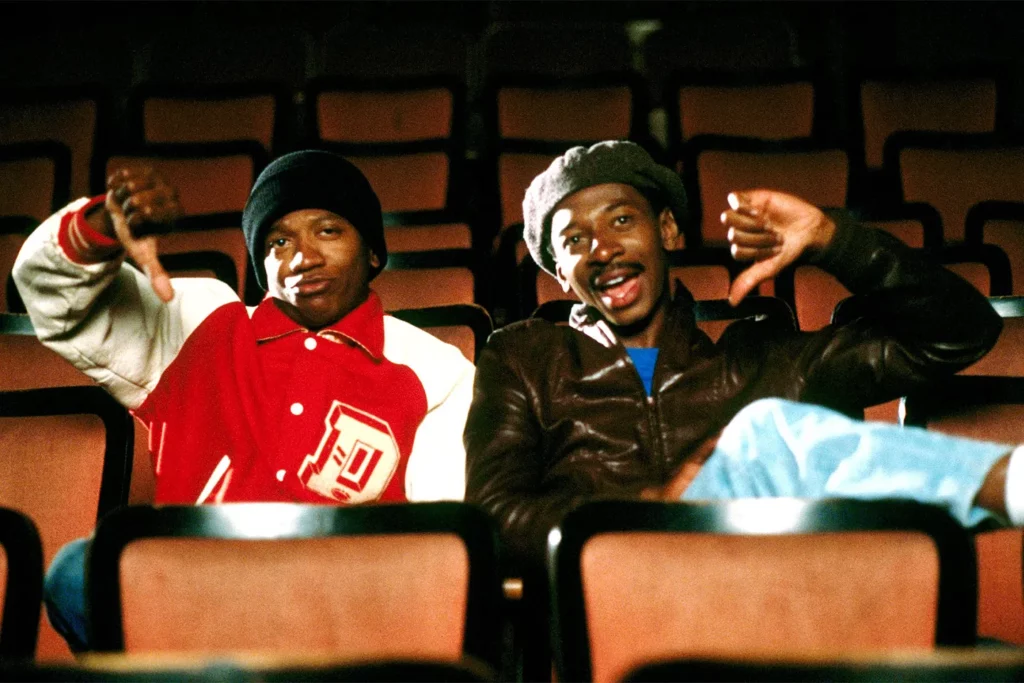
The evolution of this specific brand of social critique began in earnest with Hollywood Shuffle (1987). This film transformed cinematic parody into a tool for cultural institutional critique. By roasting the "hood flick" and Blaxploitation genres, the team targeted the very stereotypes that Hollywood executives were forcing Black actors to embody.
This creative momentum led directly to the formation of the Wayans’ comedic juggernaut, In Living Color (1990–1994). The sketch show was a watershed moment for American television, utilizing a ruthless, intelligent, and angry approach to interrogate how Black culture was mediated, packaged, and exploited by the white-dominated media landscape.
The transition to film was inevitable. With Don’t Be a Menace to South Central while Drinking Your Juice in the Hood (1996), the Wayans took direct aim at the studio-driven trend of mining Black trauma for "popcorn entertainment." Marlon Wayans’ portrayal of Loc Dog—a caricature of the "O-Dog" archetype—served as a masterclass in absurdist critique, calling out the lazy writing that defined the era.
By the time Scary Movie premiered in 2000, the Wayans formula had reached its peak. The film was a financial titan, turning a $19 million budget into a $278 million global phenomenon for Dimension Films. However, the subsequent fallout with the studio led to the Wayans being sidelined for the third, fourth, and fifth entries. Marlon Wayans recently described the experience of watching others continue the franchise in their absence as "watching your child become a crackhead"—a sentiment that encapsulates the frustration of many Black creators whose work is strip-mined by the industry.
Supporting Data: The Economics of Rebellion
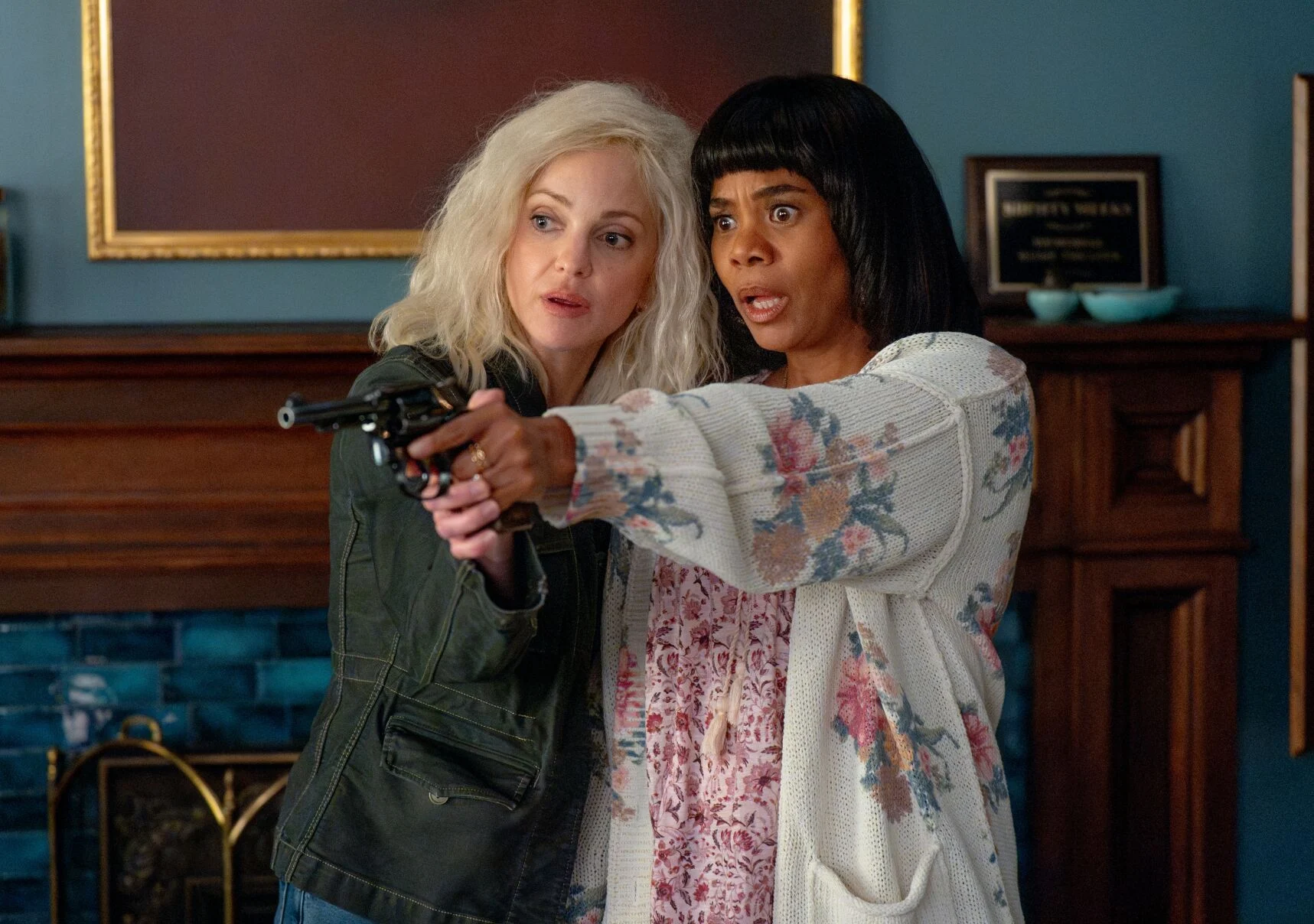
The financial success of the 2026 Scary Movie serves as a vindication of the Wayans’ original vision. In its first two weeks of release, the film hauled in $172 million globally. This performance not only guarantees the longevity of the series but also highlights a massive disconnect between industry gatekeepers and the audience’s appetite for this specific brand of comedy.
The franchise has always functioned on a "high-concept, low-budget" model. Yet, the 2026 entry introduces a new layer of complexity: emotional resonance. After 25 years, the original cast has reunited, and the on-screen chemistry is palpable. These moments of genuine warmth and nostalgia provide a surprising, grounding counterpoint to the raunchy, offensive humor that remains a staple of the Wayans’ brand.
Official Responses and Creative Intent
The tone of the 2026 film is one of defiance. The producers and writers have leaned heavily into "object-permanence callbacks," referencing both the original 2000 film and the vast landscape of contemporary horror. The goal, according to those involved, is to prove that the "Wayans spoof" is not a relic of the past, but a necessary form of commentary.
The film does not shy away from the controversial aspects of its predecessors. It retains the "gross-out" gags and the penchant for punching down—elements that have long polarized critics—but it frames them within a narrative of reclamation. By addressing the "Brother Always Dies First" trope (a phenomenon famously identified by Roger Ebert), the film forces the audience to confront why these tropes exist and why they are so easily manipulated by Hollywood.
The Broader Implications: A Changing Industry?
The arrival of this film coincides with a massive shift in Hollywood’s power structure. Last year, Ryan Coogler’s Sinners—a film centered on the very themes of artistic freedom and the white exploitation of Black art—grossed $370 million and secured a historic number of Oscar nominations.
Is the success of the new Scary Movie merely a coincidence, or is it a sign that Hollywood is finally acknowledging the value of Black-led satire? When Robert Townsend once asked the legendary Sidney Poitier how he maintained his dignity in an industry that didn’t respect him, Poitier’s answer was simple: "I said no. I made sacrifices to do it, but I had the power to say no."
The Wayans family, by walking away from their own franchise in 2001 and returning on their own terms in 2026, have exercised that same power. The 2026 film is not just a comedy; it is a manifesto. It suggests that while Hollywood may attempt to commodify and replace the voices of its creators, those who hold the original creative spark will always possess the potential to reclaim their narrative.
In the final estimation, the new Scary Movie stands as a testament to the endurance of the Wayans’ creative vision. It manages to balance the infantile, the profound, and the political, proving that even after decades of corporate interference, the original authors remain the most capable of roasting the system that tried to replace them. As the box office numbers climb, it is clear that the audience is ready for the genuine article, proving that in the world of cinema, the "original" is often the only one that truly matters.