The Shadow of Representation: Edoardo Gabbriellini’s ‘The City of the Living’ and the Ethics of True Crime

The intersection of artistic expression and social responsibility remains one of the most contentious battlegrounds in modern cinema. When a filmmaker tackles a true story—especially one involving marginalized communities and horrific violence—they walk a tightrope between narrative truth and the perpetuation of harmful stereotypes. Edoardo Gabbriellini’s latest feature, The City of the Living (La città dei vivi), finds itself at the center of this irreconcilable debate. While the film is a masterclass in empathetic character building and atmospheric tension, it simultaneously revives a painful cinematic trope: the reduction of queer identity to psychopathy and deviance.
Main Facts: A Masterpiece Marred by a Narrative Blind Spot
The City of the Living is an adaptation of Nicola Lagioia’s acclaimed non-fiction novel of the same name. It chronicles the 2016 murder of Luca Varani, a case that paralyzed Italy with its sheer senselessness and brutality. Directed by Edoardo Gabbriellini, the film has been hailed as his most accomplished work to date, characterized by a refusal to indulge in easy moralizing or psychological theorizing.
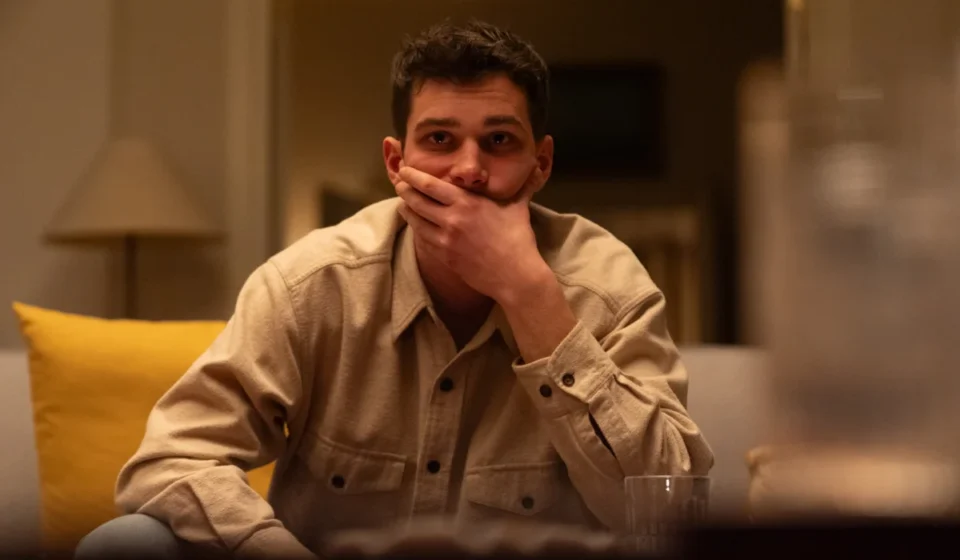
The film’s central protagonist, Luca (played with heartbreaking vulnerability by newcomer Emanuele Maria Di Stefano), is portrayed as a multifaceted, working-class Roman youth. The narrative spends significant time humanizing him, his parents (Valerio Mastandrea and Simona Senzacqua), and his girlfriend (Gaia Merlonghi). However, the controversy lies in the depiction of his killers. In a film that prides itself on nuance, the antagonists are presented through a narrow lens that equates their homosexuality and "kink" with their murderous impulses.
For many critics and members of the LGBTQ+ community in Italy, the film represents a missed opportunity. While it captures the tragedy of the victim with profound sensitivity, it arguably fails to provide any counter-narrative to the "villainous queer" trope, leaving a community already facing systemic homophobia to contend with another high-profile depiction of gay men as inherently predatory and deviant.
Chronology: From the Roman Periphery to the Heart of Darkness
The narrative structure of The City of the Living intentionally avoids the standard procedural format, choosing instead to focus on the life lived before the life taken.
The Ordinary Life of Luca Varani
The film opens by establishing the grounded, albeit stagnant, world of Luca. Living on the outskirts of Rome, he exists within the "bridge and tunnel" demographic—working-class citizens who serve the city center but remain culturally alienated from its cosmopolitan core. Luca works alongside his father, Giuseppe, on a truck selling candies and toys at itinerant fairs. He is a young man at a crossroads: bored with night school, deeply in love with his girlfriend Marta, and desperate for the financial independence required to start a life with her.
The Descent into the Underworld
Luca’s financial desperation leads him toward the Termini station area, a hub for Rome’s shadow economy. Through a chance meeting with Andreas, a "gay-for-pay" escort, Luca is introduced to a world of easy money. The film suggests that while Luca’s sexuality is not strictly defined, his primary motivation is transactional. This journey leads him to a high-rise apartment in the Colli Aniene district, occupied by two men—Marco Prato and Manuel Foffo—who have spent days in a drug-fueled haze.
The Unspeakable Act and the Aftermath
The film wisely chooses to condense the actual murder, avoiding the "torture porn" elements that a lesser director might have exploited. Instead, Gabbriellini focuses on the atmospheric dread and the psychic weight of the event. The final act of the film shifts its gaze to the survivors. It meticulously documents the collapse of Luca’s family unit and the vacuum of grief left behind. The chronology ends not with a courtroom verdict, but with the haunting realization of the permanent absence of a young man who was, by all accounts, an ordinary "Roman Joe."
Supporting Data: The Real-Life Context of the Varani Murder
To understand the weight of The City of the Living, one must look at the historical data of the 2016 crime. Luca Varani was 23 years old when he was lured to an apartment under the guise of a party. The real-life killers, Manuel Foffo and Marco Prato, reportedly spent nearly $2,000 on cocaine before the murder.
The Brutality of the Case
The autopsy revealed that Varani was tortured for over two hours. The case became a media sensation in Italy, not just because of the violence, but because the killers appeared to have no motive other than a desire to "see what it felt like to kill someone." This "banality of evil" is what Lagioia’s book explored and what Gabbriellini attempts to translate to the screen.
The Socio-Political Landscape in Italy
The film arrives at a time when LGBTQ+ rights in Italy are under intense scrutiny. According to reports from Arcigay, Italy’s largest LGBTQ+ advocacy group, incidents of homophobic aggression have remained steady or increased in several regions over the last decade. Furthermore, the 2021 failure of the "Zan Bill"—which sought to extend hate crime protections to include homophobia and transphobia—highlighted a deep-seated cultural resistance to queer integration.
In this context, the "supporting data" for the film’s controversy becomes clear: when positive queer representation in Italian media remains scarce, a high-budget film that depicts gay men solely as drug-addicted sadists carries a disproportionate amount of cultural weight.
Official Responses: Artistic Intent vs. Social Impact
The discourse surrounding the film has seen a clash between the director’s philosophical goals and the audience’s demand for social responsibility.
The Director’s Perspective
In the film’s official pressbook, Edoardo Gabbriellini defends his approach, stating:
"Cinema, like literature, has the great power of empathy and thus the ability to lead us to see through a lens that, if properly focused, avoids any facile or preconceived judgment."
Gabbriellini’s intent was to avoid "theorizing" about the killers. He argues that by not explaining their motives, he avoids giving them the "humanizing" justification they do not deserve. For the director, the film is a tribute to the victim, not a sociological study of the perpetrators.
The Literary Source
Nicola Lagioia, whose book served as the foundation, has often spoken about the "darkness outside the bounds of humanity" that the killers represented. His work was praised for its investigative depth, though even the book faced some criticism for how it navigated the intersection of drug culture and queer identity.
The Critical Reception
While Variety and other major outlets have praised the film’s technical prowess and the performance of Emanuele Maria Di Stefano, critics have been quick to point out the "Buffalo Bill" problem. Comparisons have been drawn to The Silence of the Lambs, where the lack of positive trans or queer characters made the villainy of Jame Gumb feel like a commentary on the community rather than an isolated character trait.
Implications: The Responsibility of the Gaze
The primary implication of The City of the Living is the reaffirmation that in the 21st century, "based on a true story" is no longer a total shield against criticism. The film demonstrates that a director can be deeply empathetic toward one group (the working-class family) while remaining "blind" to the collateral damage caused to another (the marginalized community).
The Perils of the "Villainous Queer" Trope
By failing to include even a minor positive or "normal" gay character, the film inadvertently suggests a causal link between the killers’ sexuality and their malignancy. This has broader implications for how Italian audiences—many of whom may have little personal contact with the LGBTQ+ community—process the story. It reinforces a narrative of "otherness" that has historically been used to justify discrimination.
A New Standard for True Crime
The film sets a high bar for how to depict a victim’s life with dignity. Gabbriellini’s refusal to turn Luca Varani’s death into a spectacle of gore is a commendable step forward for the true crime genre. However, it also serves as a cautionary tale: the "empathy" a filmmaker seeks to generate must be wide enough to encompass the social realities of the world they are depicting.
Conclusion
The City of the Living is undoubtedly a significant achievement in contemporary Italian cinema. It is heartrending, beautifully shot, and anchored by a career-defining performance from Di Stefano. Yet, its legacy will likely be defined by its central paradox: a film that celebrates the humanity of one young man while stumbling over the humanity of an entire community. As the debate continues, it serves as a reminder that the "lens" of cinema is never truly neutral; where a filmmaker chooses to look—and where they choose to look away—carries profound consequences.