Courtroom Chaos: Tennis Stars and Influencers Clash Over Etiquette at the 2026 US Open

The 2026 US Open has long been anticipated as a high-water mark for the sport, blending elite athleticism with the glitz of New York City’s social scene. However, as the tournament progresses, the intersection of professional tennis and the "influencer economy" has hit a volatile inflection point. While the tournament remains a premier global stage, recent reports of disruptive behavior from content creators in the stands have prompted top-tier athletes to speak out, raising fundamental questions about the balance between fan engagement and the sanctity of the game.
The Rising Tide of Content Creation
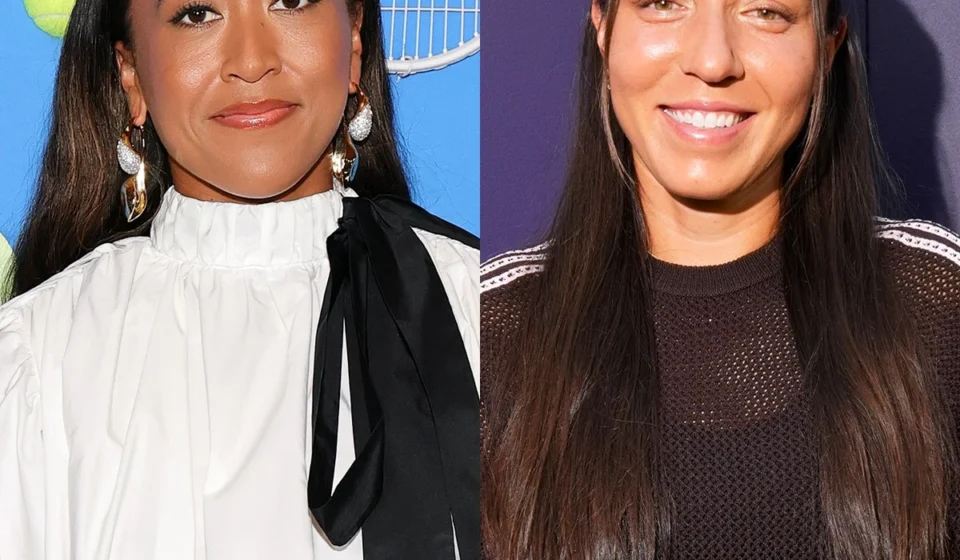
The controversy reached a fever pitch during the early rounds of the tournament, specifically following Naomi Osaka’s victory over Katerina Siniakova on September 3. Osaka, a four-time Grand Slam champion, used her post-game press conference not just to discuss her tactical performance, but to address a growing grievance among players: the audible distraction caused by social media influencers filming content during points.
"Today, the umpire told everyone to be quiet more than I’ve ever heard an umpire tell a crowd to be quiet," Osaka noted. She recalled her first-round match against Anastasia Zakharova on August 31, where the atmosphere—traditionally a sanctuary of concentration—was punctuated by the intrusive behavior of spectators prioritizing viral engagement over the match.
"In my first match, I wasn’t really paying attention, but there was a moment where there were people shouting and stuff, and you could hear it quite clearly," she explained. "I think it bothered my opponent, too."
Viral Disruptions: A Case Study
The frustration stems from a specific incident involving a group of content creators who were captured in a now-viral video clip. In the footage, the group can be seen filming themselves in the stands, loudly reciting a popular Kim Kardashian quote: "Hey, guys. We’re back. Did you miss us ’cause we missed you."
The clip, which circulated rapidly across social media platforms, highlighted the dissonance between the professional standards required for elite tennis and the performative nature of modern social media culture. For the players, whose livelihoods and tournament trajectories depend on split-second focus, such disruptions are not merely annoying—they are a breach of the professional environment.
The Professional Perspective: Jessica Pegula Weighs In
Naomi Osaka is not the only high-profile athlete to express concern. Jessica Pegula, who secured a decisive win over Sofia Kenin earlier in the week, offered a nuanced but firm critique of the situation during her own post-game press conference on September 2.
"I can appreciate the influencers coming and showcasing the US Open experience," Pegula acknowledged, recognizing the tournament’s successful efforts to market its food, shopping, and unique atmosphere. "That is part of a fan experience and something that people might not know that might make them want to go."
However, the 32-year-old star drew a hard line when it comes to the physical and mental space of the players. "It’s tough when you see videos where they’re taking pictures and using the selfie lights. People are down there trying to perform. It’s their career and their job. It seems like a bit disrespectful."
Pegula emphasized that while the integration of lifestyle influencers can grow the sport’s reach, the current execution has veered into territory that compromises the integrity of the match. "I can appreciate one side of it, but I think when you have the other side literally interrupting matches, it gets a little tough."
A Chronology of the 2026 US Open Spectacle
The 2026 US Open has been marked by a record-breaking influx of celebrities and social media personalities, turning the Billie Jean King National Tennis Center into the epicenter of New York’s cultural calendar.
- August 27: The pre-tournament festivities began with a flurry of exclusive events, including the 200 Years Young Celebration hosted by evian, attended by Carlos Alcaraz and Jeff Koons, and a high-profile players’ dinner featuring Serena Williams and Coco Gauff.
- August 31: The opening rounds commenced. While fans were treated to high-level tennis, it was also the day Osaka noted the first significant instances of crowd distraction.
- September 1–2: As the tournament moved into the second round, the presence of influencers in luxury suites and general seating became more visible. Jessica Pegula spoke out against the use of selfie lights and recording equipment during active play.
- September 3: Naomi Osaka made her formal statement following her match against Katerina Siniakova, calling for better management of content creation in the arena.
The "Huge Positives" vs. The Necessary Management
Despite the recent friction, the players are careful not to alienate the new audiences that influencers help reach. Osaka emphasized that there are "huge positives" to having content creators at the event, noting that their reach can make the sport more popular to younger, diverse demographics. However, she was firm in her recommendation for change.
"If you come to a sporting event, you have to respect the sport," Osaka stated. "It’s common courtesy to read up on the sport, especially the etiquette. It could be a good thing for people to make the sport of tennis popular to their specific audience, but it has to be managed a lot better."
The implicit call to action is for the United States Tennis Association (USTA) and tournament organizers to establish clearer guidelines for media-conscious fans. The challenge for the USTA is to maintain the tournament’s status as a "must-attend" cultural event while ensuring that the primary product—the tennis—is protected from the encroaching noise of the digital age.
Star-Studded Attendance: Beyond the Controversy
While the influencer debate dominates the headlines, the 2026 US Open continues to be a massive success in terms of star power. The list of attendees this year reads like a "who’s who" of global entertainment and sports:
- Sports Icons: Trinity Rodman was spotted supporting Ben Shelton, while former NFL quarterback Russell Wilson graced the Blue Carpet, sharing insights into his own history with the sport.
- Hollywood Presence: Notable actors including Dylan O’Brien, Josh Lucas, Danai Gurira, Jason Biggs, and Alexandra Daddario were seen enjoying the matches from the comfort of the Emirates Suite.
- Cultural Figures: Martha Stewart, the original lifestyle icon, brought a touch of elegance to Arthur Ashe Stadium, while rapper Travis Scott was seen supporting Carlos Alcaraz from the player box.
- Television and Media: Stars from Summer House, The Traitors, and Grey’s Anatomy—including Carl Radke, Maura Higgins, and Kate Walsh—have all been active participants in the tournament’s social ecosystem.
The Implications for the Future of Tennis
The friction between traditional tennis etiquette and the modern "content-first" mentality represents a broader challenge for sports leagues worldwide. As leagues seek to capitalize on the massive reach of influencers, they must grapple with the potential erosion of the "in-stadium experience."
Tennis, which has long relied on a culture of silence and focus during play, is particularly vulnerable to this shift. If fans believe that the stadium is a personal film set rather than a theater of sport, the concentration required by the players will inevitably be compromised.
The 2026 US Open may ultimately be remembered as the turning point where the sport decided to set firm boundaries. As the tournament moves toward the final rounds, the focus will undoubtedly shift back to the quest for the Championship Trophy. However, the discourse established this week by Osaka and Pegula will likely influence tournament policy for years to come.
For the USTA, the path forward involves a delicate balancing act: welcoming the digital-savvy fans who drive global engagement, while reinforcing the "common courtesy" that ensures tennis remains, first and foremost, a professional sport of precision, poise, and absolute concentration. Whether the fans will heed this warning remains to be seen, but the players have made their voices heard: respect the game, or expect the umpires to intervene.