Standardizing the Virtual Frontier: The ASC Launches StEM3 to Harmonize In-Camera VFX

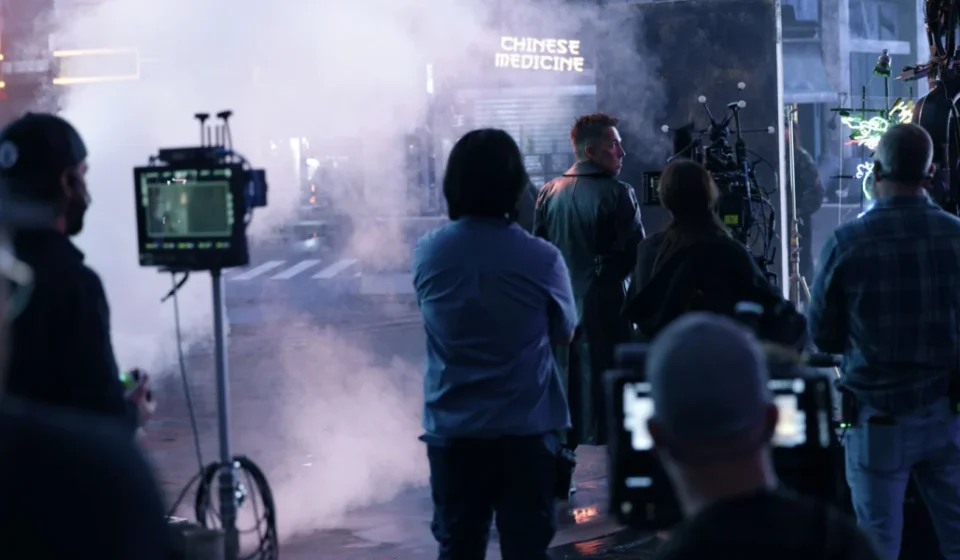
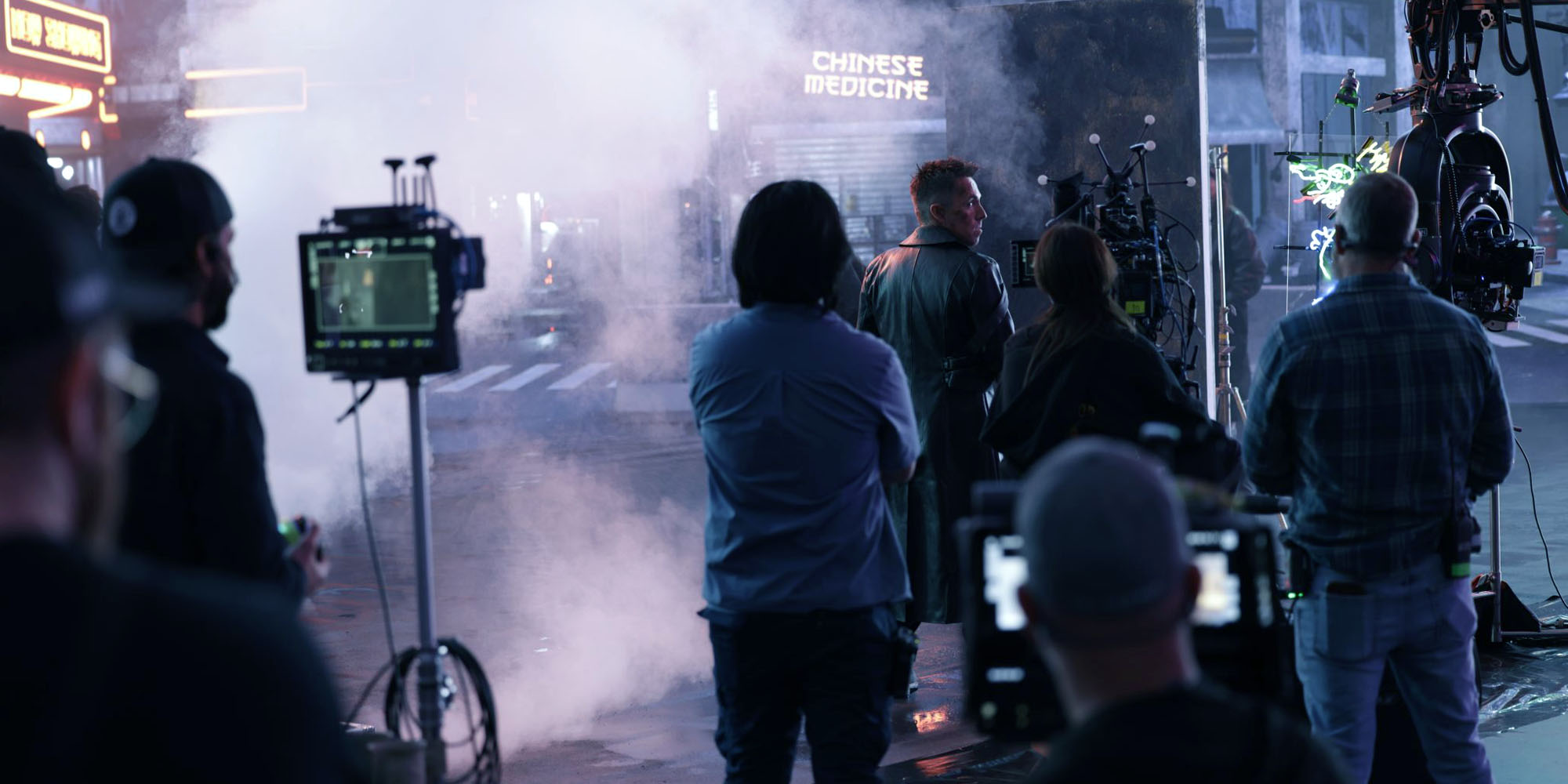
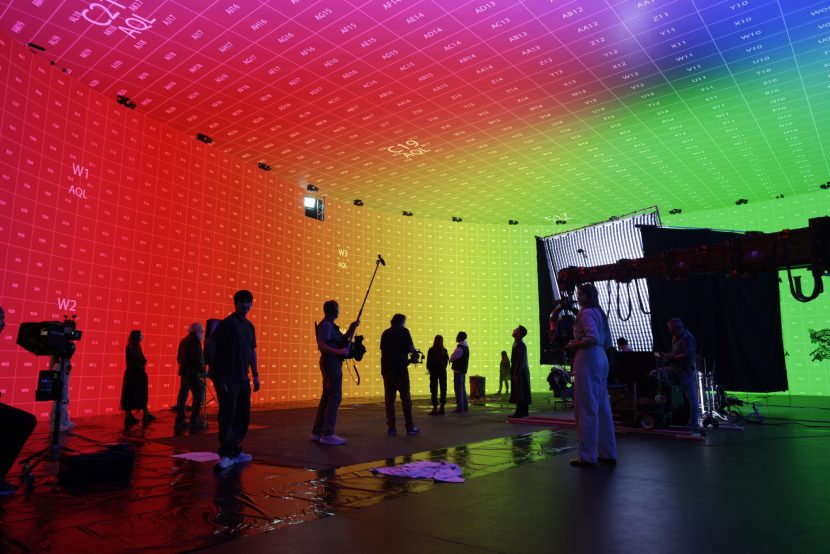
In the rapidly evolving landscape of modern filmmaking, virtual production (VP) has emerged as a transformative force. By replacing traditional green screens with vast LED volumes, filmmakers can now capture "final pixels" in-camera, blurring the lines between physical sets and digital environments. However, this shift has introduced a complex, multifaceted technical pipeline where the LED stage itself acts as a camera component. Recognizing that cinematographers often face unpredictable results on unfamiliar stages, the American Society of Cinematographers (ASC) Motion Imaging Technology Council (MITC) has officially released StEM3—a comprehensive, open-source collection of standardized evaluation material designed to bring rigor and predictability to the virtual production workflow.
The Challenge of the Modern Stage
For a cinematographer, the transition to an LED volume is far from plug-and-play. A traditional stage environment is a symphony of interdependent technologies: real-time engines like Unreal Engine 5 (UE5), high-speed render nodes, synchronization hardware, LED processors, tracking systems, and the camera optics themselves.
The core problem, as identified by the ASC, is that a volume can pass standard display calibration tests while failing to perform correctly when captured through a camera lens. Factors such as panel pitch, refresh rate interactions with camera shutters, dynamic range discrepancies, and unexpected color shifts can turn a day of shooting into a technical troubleshooting nightmare. Until now, cinematographers have often arrived at a studio only to find their carefully curated camera and lens packages clashing with the volume’s output, leading to "sketchy" color rendition and compromised highlights.
Chronology: From Digital Transition to Virtual Reality
The development of StEM3 is the latest chapter in the ASC’s long-standing effort to provide the industry with neutral, high-quality reference material.
- The Early Digital Era (StEM 1): The original StEM project was born out of the industry’s initial migration from film to digital acquisition and projection. It provided a baseline for digital image quality.
- The High-Dynamic Range Era (StEM 2): As color pipelines evolved to accommodate HDR, wide color gamuts, and higher resolution, StEM2 was introduced to stress-test the entire imaging chain, ensuring that post-production facilities and manufacturers were on the same page.
- The Virtual Production Era (StEM3): Recognizing that in-camera visual effects (ICVFX) require a new kind of validation, the ASC began the multi-year development of StEM3. Unlike its predecessors, which focused on post-production or display, StEM3 is specifically engineered to test the interplay between the physical light emitted by an LED volume and the digital sensor of a cinema camera.
The project was officially announced following years of collaboration between the ASC, the Academy Software Foundation (ASWF), and industry heavyweights including Amazon Studios, Epic Games, Sony, and various virtual production studios.
Supporting Data: Why Standardized Material Matters
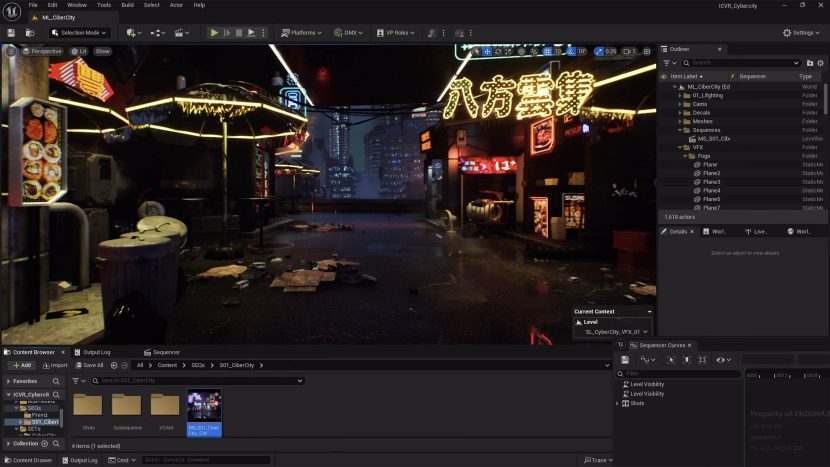
StEM3 is not just a collection of "cool" images; it is a diagnostic toolset. The library, hosted by the ASWF’s Digital Production Example Library (DPEL), includes a wide range of Unreal Engine 5 scenes, 2D driving plates, and dedicated test imagery.
The Technical Toolkit
The assets are curated to cover common photographic hurdles. The library includes:
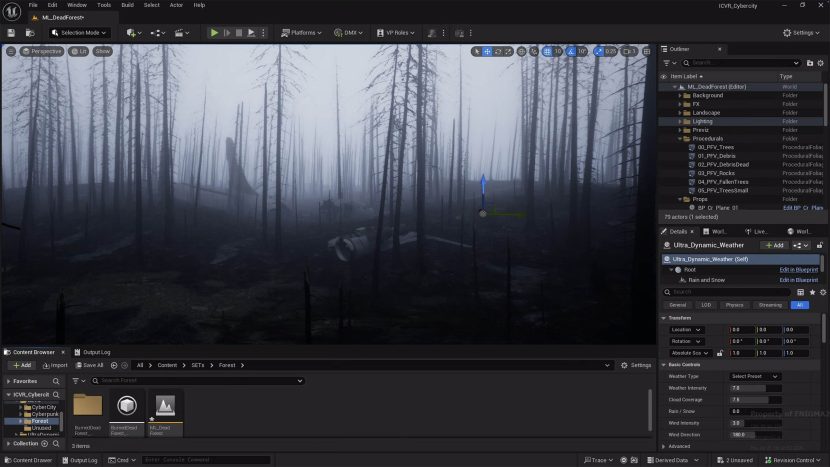
- Diverse Environments: A collection ranging from urban back alleys and subways to natural forests and Himalayan base camps. This variety allows crews to test how the system handles different lighting conditions, atmospheric effects, and depth-of-field scenarios.
- Diagnostic Scenes: These are built to expose faults in the pipeline, such as panel mismatching near black, color shifts, and tracking latency.
- Production Context: By loading these scenes into any volume, a production team can perform an "apples-to-apples" comparison between different facilities. If the same StEM3 scene looks different on Stage A versus Stage B, the production team has a concrete, quantifiable baseline to identify which part of the pipeline—be it the color transform, the processor settings, or the LED calibration—is failing.
Official Responses and Industry Collaboration
The project’s legitimacy stems from its collaborative nature. Michael Goi, ASC, ISC, co-chair of the ASC MITC, emphasizes that the goal is not to force a specific "look" upon creators, but rather to establish a "neutral ground."
"Cinematographers have encountered stages where color rendition was off and dynamic range was sketchy," Goi noted. "The aim was to establish evaluation material that shows how a correctly configured system should begin to look."
David Morin, executive director of the Academy Software Foundation and an ASC associate member, highlighted the importance of keeping the cinematographer at the heart of the technological transition. "As the industry moves through another major technological change, we must ensure that the tools serve the storyteller, not the other way around," Morin stated.
The involvement of major players—including ROE Visual, Pixomondo, Nant Studios, and Walt Disney Studios—signals a widespread industry acknowledgement that the current "wild west" of virtual production testing is unsustainable. By adopting an open-source standard under the ASWF Digital Assets License v1.1, these organizations are helping to lower the barrier to entry for productions of all scales.
Implications for Future Filmmaking
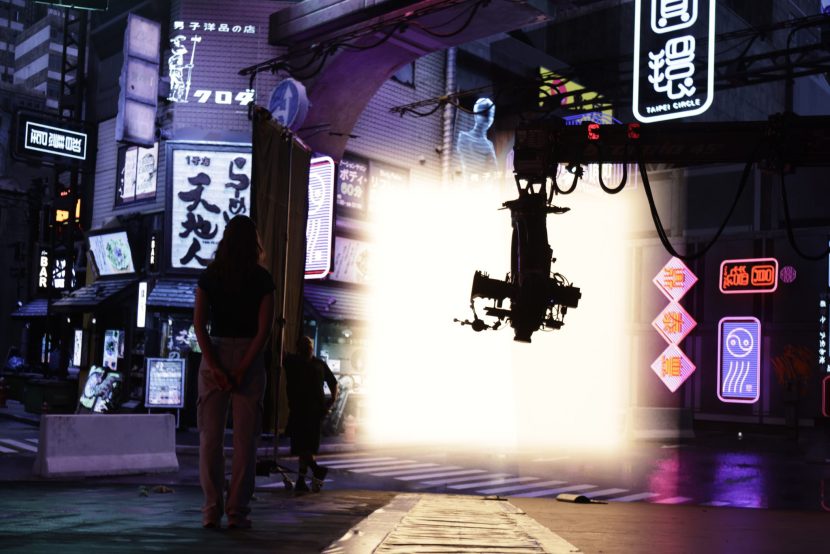
The release of StEM3 marks a pivotal shift in how pre-production is handled. In traditional filmmaking, many color and lighting decisions were delayed until the "DI" (Digital Intermediate) phase in post-production. In the world of ICVFX, these decisions must be finalized on set.
Shifting Decisions Forward
The "Virtual Production Supervisor" has become an essential role, acting as the bridge between the technical team (engineers, VFX artists) and the creative team (director, cinematographer). StEM3 provides a shared language for these groups. If a cinematographer says, "the shadows are clipping in the StEM3 forest scene," the engineering team knows exactly which part of the pipeline to investigate. This immediacy prevents the "fix it in post" mentality that often inflates budgets and dilutes the director’s original vision.
Protecting Creativity
A common fear in the creative community is that "standardization" will lead to a homogeneous, "cookie-cutter" look. However, the ASC argues the opposite. By establishing a reliable, neutral baseline, cinematographers are actually freed to be more creative. When a cinematographer knows exactly how the volume renders a neutral grey or a deep shadow, they can intentionally push the boundaries of the image, knowing that their creative choices are deliberate, rather than accidental byproducts of a misconfigured LED wall.
A Living Standard
StEM3 is expected to evolve. As LED hardware improves and rendering engines become more capable, the ASWF library will likely see updates. For now, the focus is on stability. By providing a "known image" in an increasingly complex pipeline, the ASC has ensured that even as the technology behind the camera becomes more intimidating, the art of cinematography remains firmly in the hands of the artist.
Conclusion
The launch of StEM3 is a testament to the fact that while the tools of filmmaking change, the fundamental requirements for high-quality imagery remain constant. The project serves as a bridge, connecting the bleeding-edge world of real-time computer graphics with the century-old discipline of cinematography.
As production crews around the world begin to incorporate these assets into their pre-light and testing phases, the industry expects to see a measurable reduction in on-set downtime and a significant increase in the consistency of virtual imagery. The Academy Software Foundation’s message to the industry is clear: Download the material, look through the lens, and once you have confirmed the integrity of your digital stage, you are free to tell your story without the interference of technical uncertainty.