The Architecture of Desire: Georgia Bernstein’s Night Nurse Reinvents the Psychological Thriller

In an era where independent cinema often gravitates toward the safety of established tropes and predictable narrative beats, Georgia Bernstein’s Night Nurse (2026) arrives as a jarring, essential anomaly. Premiering to significant buzz at the Sundance Film Festival’s NEXT competition, the film is a masterclass in atmospheric dread and perverse intimacy. Eschewing the conventional rhythms of the thriller genre, Bernstein has crafted a work that feels both disarmingly tactile and deeply unmoored from time—a sensory experience that lingers long after the credits roll.
As the film prepares for its wide release via IFC on July 10, it stands as a testament to the power of localized, collaborative filmmaking. By transforming the claustrophobic confines of a family home into a psychological battleground, Night Nurse invites viewers into a space where the line between caregiver and predator is perpetually, and dangerously, blurred.
The Premise: A Descent into Memory and Manipulation
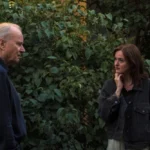
At its core, Night Nurse follows Eleni (Cemre Paksoy), a young nurse beginning her tenure in a memory-care unit. Her primary charge is Douglas (Bruce McKenzie), an elderly man currently undergoing evaluation for early-onset Alzheimer’s. What begins as a standard professional relationship quickly curdles into a symbiotic, illicit partnership.
Eleni and Douglas find themselves drawn together by a shared sense of existential isolation, eventually morphing into accomplices in a sophisticated phone scam targeting the elderly. Posing as a granddaughter in dire need of financial assistance, Eleni executes the con, while Douglas provides the strategic guidance. However, the true "currency" of the film is not merely the money they extract; it is the volatile, sexualized thrill of their confidence game.
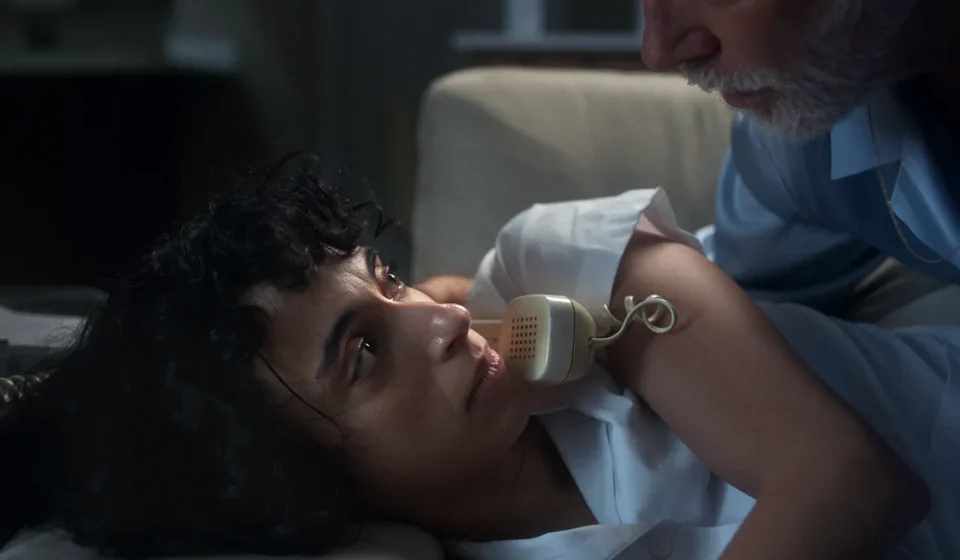
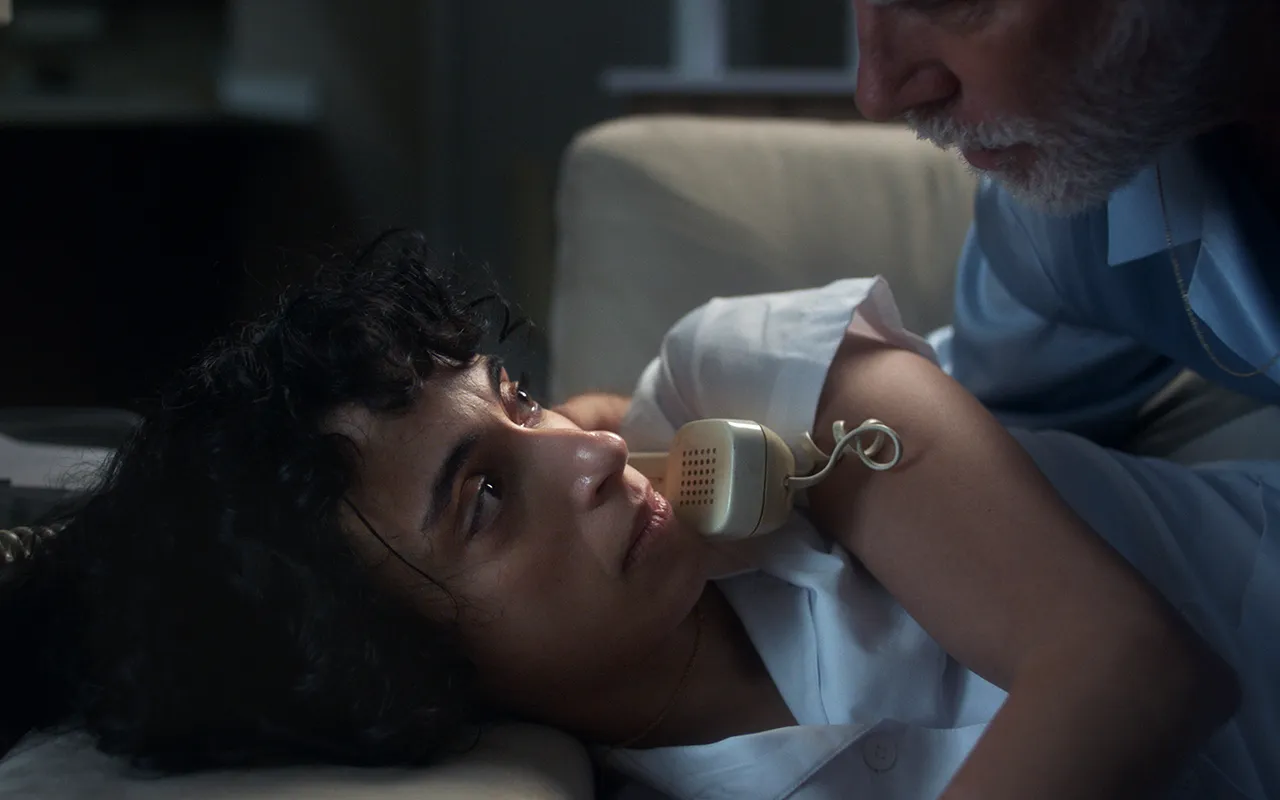
The film’s power dynamic is fluid, shifting with every telephone call. In a signature long take, Bernstein captures the psychological weight of their deception. As Douglas wraps the phone cord around Eleni—physically binding her to their shared lie—the camera lingers on her back, refusing to offer the audience the catharsis of a reaction. When she finally turns, her vulnerability is replaced by a predatory, faunish intensity, leading to a chilling rejection from Douglas: "If you’re looking for a pogo stick, I’m really not your guy."
Chronology of a Production: From Classroom to Screen
The path of Night Nurse from concept to screen is as unconventional as the film itself. The project was born not in a traditional studio boardroom, but in a classroom at Northwestern University.
After producing filmmaker Alex Phillips’ Anything That Moves (2025), Bernstein teamed up with producers Eddie Linker and Liane Cunje. Linker, who was set to teach a film production course, proposed using Bernstein’s screenplay as the subject matter for his students. The result was a radical approach to preproduction: students were tasked with the practical realities of indie filmmaking—forming an LLC, budgeting, and navigating tax credits.
By the end of the academic quarter, the project had a solid foundation. This pedagogical approach allowed Bernstein to leverage the community she had cultivated in Chicago over several years. She cast the film almost entirely with friends and collaborators, people whose specific energies she had been tracking for years.
The Anatomy of the Shoot
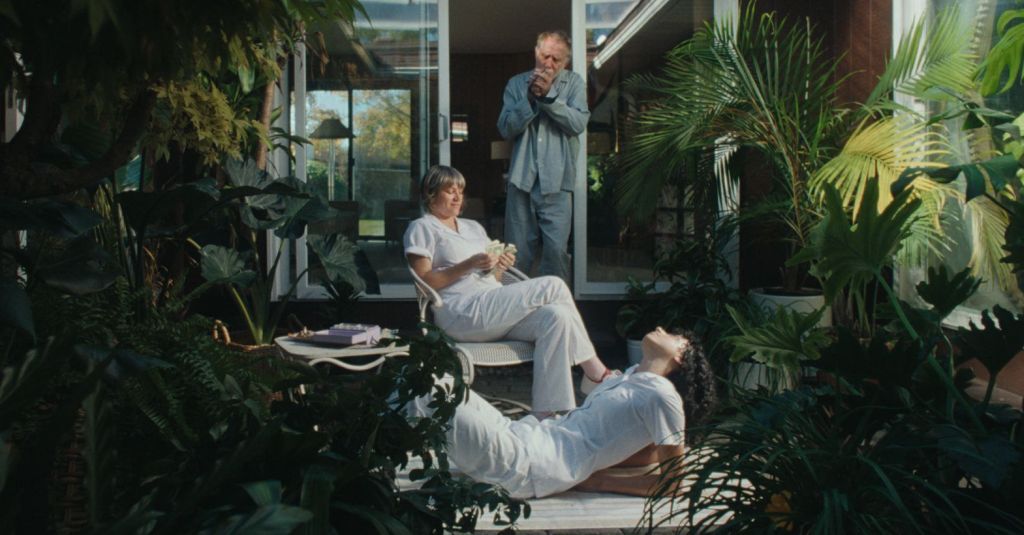
The production was anchored by a deliberate, low-resource strategy. Bernstein shot nearly the entire film inside her grandmother’s house. She wrote the screenplay with the home’s specific architecture in mind—the transition from room to room, the atrium, and the flow of the hallways. This choice of location served a double purpose: it kept the budget manageable while grounding the film’s "out-of-time" aesthetic. By utilizing 1970s wallpaper alongside last-generation landlines and the absence of smartphones, Bernstein created a disorienting, liminal space that defies easy categorization.
Supporting Data: Stylistic Influences and Technical Execution
Bernstein’s directorial confidence is evident in her rejection of modern visual shortcuts. While many contemporary indie films rely on the fluid, handheld agility of Steadicams, Bernstein opted for the heavy, mechanical precision of a dolly.
"I really wanted the weight of the dolly, the camera’s ga-dunk on the dolly moving really slowly," Bernstein explains. This choice, combined with the cinematography of Lidia Nikonova, creates a rhythmic, hypnotic quality. The camera movement dictates the performances, forcing the actors to inhabit the space with a slow, deliberate pacing that mirrors the "endless circles" of the retirement community the characters inhabit.
The Ballardian Influence
Critics and audiences have been quick to compare Night Nurse to the work of David Cronenberg and Atom Egoyan. Specifically, the film evokes the "watery suburban malaise" found in Egoyan’s The Adjuster and the cold, clinical eroticism of Cronenberg’s Crash. Bernstein acknowledges these influences but points to a more visceral, "something in the air" connection—a lineage of psychosexual exploration that travels from J.G. Ballard’s England to the gray, bleak suburbs of Chicago.
The score, composed by Steven B. Jackson and Samm Clapp, further anchors the film’s tone. By utilizing live musicians and themes reminiscent of David Shire’s work on The Conversation, the music reinforces the film’s central metaphor: a cycle of manipulation and need from which neither character can—or wants—to escape.
Official Responses and Thematic Ambiguity
The film has generated significant discussion regarding its moral ambiguity. By exploring the power dynamics between a young woman and an older, potentially cognitively impaired man, Bernstein is walking a tightrope. She credits the influence of Catherine Breillat, whose work famously explores the agency of young women within uneven power structures.
"I thought, ‘Let’s push it to the extreme,’" Bernstein says. "She’s a young nurse, and he’s in a retirement community… Who’s taking care of who? Who has the power?"
This ambiguity is not a failure of the script, but a deliberate feature. The film’s supporting characters, such as Mona (Eléonore Hendricks), offer chilling justifications for the duo’s behavior. When Eleni experiences a moment of moral hesitation, Mona dismisses her concerns, noting that their victim was "numb to life before today" and that Eleni has "given him purpose." It is a harrowing defense of exploitation, framing the scam as a form of social charity.

Implications: The Future of the "Indie" Aesthetic
Night Nurse serves as a case study for the viability of hyper-localized, director-driven cinema. By shunning the desire to "look low-budget" and instead striving for the grandeur of Fassbinder-esque composition, Bernstein has elevated her debut into something that feels vast despite its narrow physical confines.
The implications for the independent sector are clear: as access to technology and distribution becomes more democratized, the competitive advantage lies in the specificity of vision. Bernstein’s ability to turn a grandmother’s house into a site of profound psychological unease proves that the most powerful locations are often those with a history of their own.
A New Standard
As Night Nurse moves toward its wider release, it will likely be dissected for its technical prowess and its refusal to offer the audience an easy moral exit. It is a film that demands engagement, forcing the viewer to confront the unsettling reality that, in a world of profound loneliness, even the most grotesque connections can feel like life-saving interventions.
Georgia Bernstein has not only made a film; she has created a mirror—one that reflects the bleak, beautiful, and deeply uncomfortable ways in which we attempt to matter to one another. Whether the audience is ready for the cold, gray, and mesmerizing world she has built remains to be seen, but Night Nurse is, without question, the most essential thriller of the 2026 festival season.