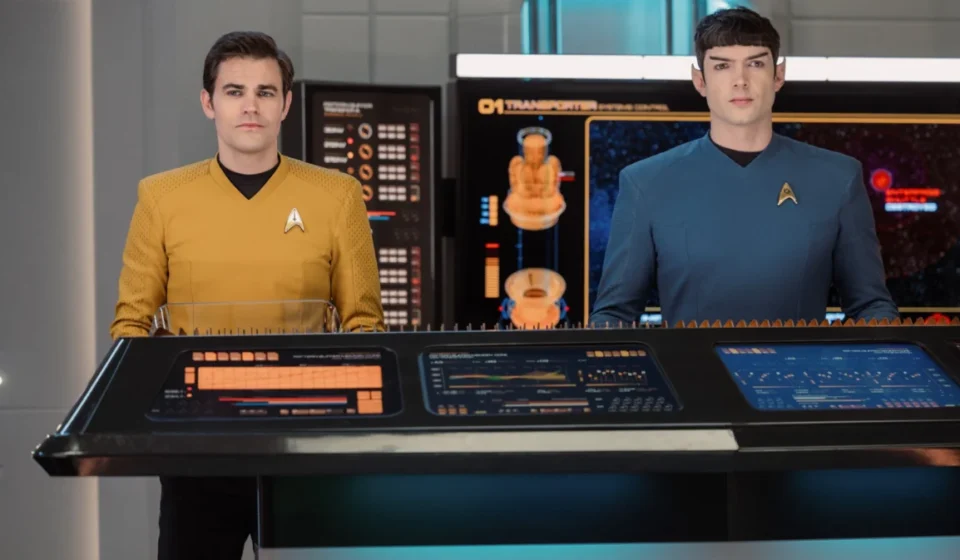

In the vast, interconnected tapestry of the Star Trek franchise, few narrative pillars are as immovable as the friendship between Captain James T. Kirk and his First Officer, Spock. For decades, this bond has served as the emotional bedrock of the franchise, a study in the balance between human intuition and Vulcan logic. However, Star Trek: Strange New Worlds—the Paramount+ series that has consistently proven it is not afraid to break the rules of the genre—has just delivered an origin story for this legendary brotherhood that is as bizarre as it is profound.
Warning: This article contains major spoilers for "Star Trek: Strange New Worlds" Season 4, Episode 3, "Human Best Friend."
The Context: A Genre-Bending Masterclass
Star Trek: Strange New Worlds has spent its fourth season establishing a reputation for stylistic fluidity. Whether it is navigating the bureaucratic enigmas of "Division 12," experimenting with the precarious laws of time travel, or weaving Paul Wesley’s James T. Kirk into a pre-Original Series timeline where he technically doesn’t belong, the showrunners—Akiva Goldsman and Henry Alonso Myers—have mastered the art of "fan service that matters."
In the third episode of the current season, titled "Human Best Friend," the show leans into a classic sitcom trope: the intoxicated, "what-happened-last-night" misadventure. While the episode features a chaotic subplot involving Lieutenant Erica Ortegas and Montgomery Scott on a planet known for its disorienting, alcohol-like atmosphere, the true weight of the hour lies in the quiet, surreal, and ultimately pivotal interactions between Spock and Kirk.
A Chronology of Connection: From Hallucination to Brotherhood
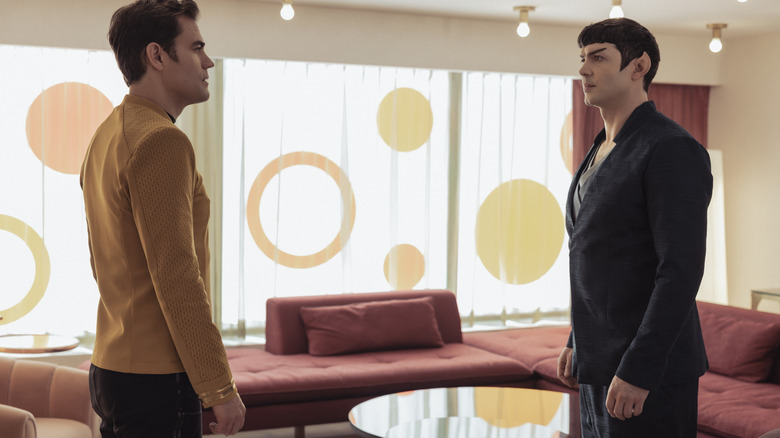
The episode frames the interaction through a lens of skepticism. Spock, struggling with the atmospheric effects of the planet, spends the bulk of the runtime convinced that the Kirk standing before him is a mere hallucination—a manifestation of his own subconscious need for connection.
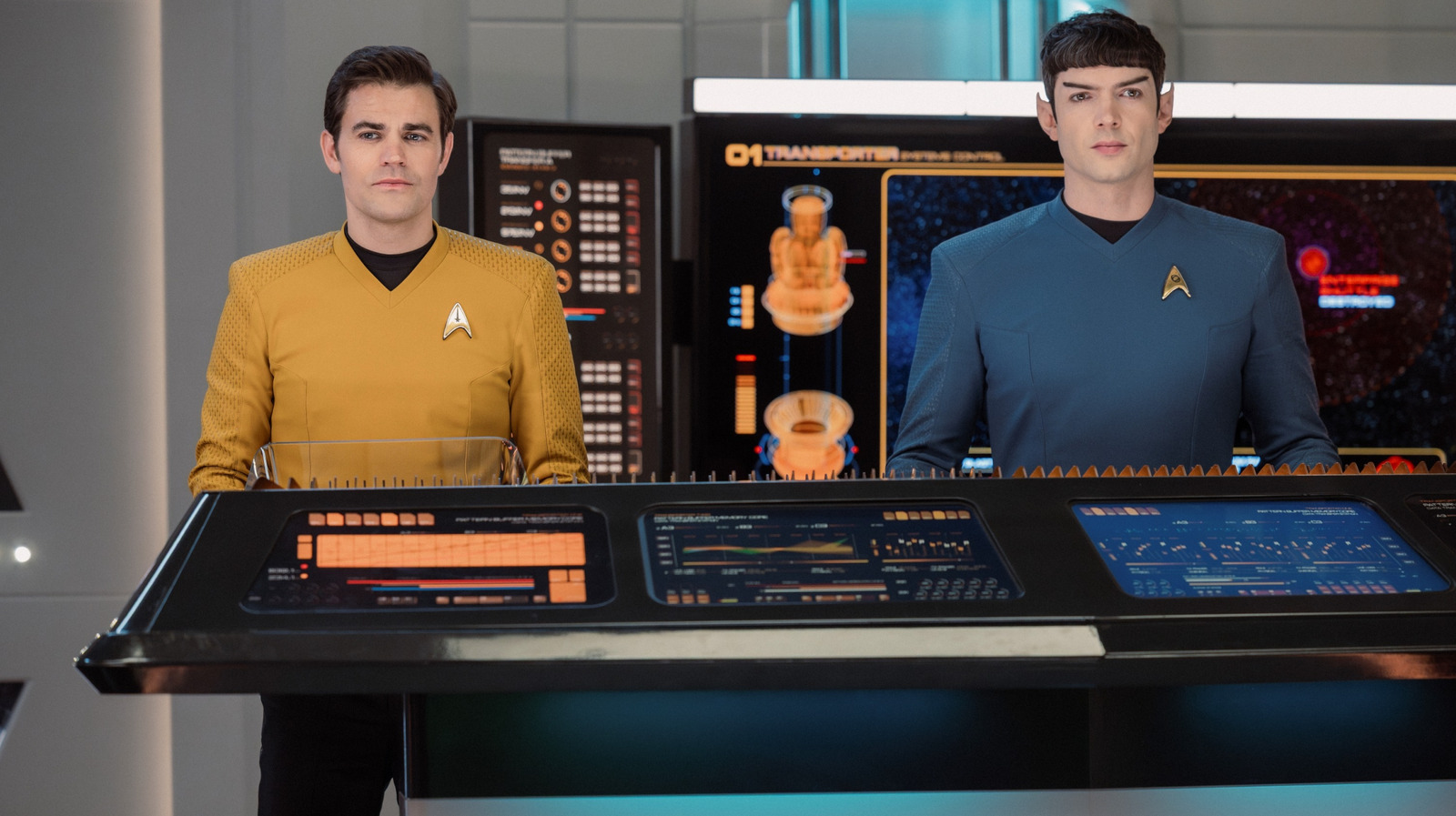
- The Inebriated Opening: Spock, famously known for his stoicism, finds himself in a state of uncharacteristic vulnerability. In his mind, the "hallucination" of Kirk acts as a safe space.
- The Playdate: As the two spend the episode engaging in board games, chess, and candid, emotionally raw conversation, the barrier between officer and peer dissolves.
- The Vulnerability Factor: Because Spock believes he is speaking to his own imagination, he discards his Vulcan reserve. He speaks his mind without the filter of Starfleet protocol or the burden of rank.
- The Final Reveal: The revelation that Kirk was physically present the entire time transforms the episode from a "buddy-comedy" romp into a cornerstone moment. It establishes that their deep, intuitive understanding of one another was not born on the bridge of the USS Enterprise, but in a moment of shared, uninhibited human connection.
Supporting Data: Why This Origin Matters
The decision to fast-track the friendship between these two icons could easily have been dismissed as pandering. However, by utilizing the "hallucination" device, the writers bypass the usual "meet-cute" tropes that plague origin stories.
In the Original Series, we often saw the end result of their friendship: the mutual respect and the unspoken communication. By showing us the start of this, Strange New Worlds gives us a "why." It posits that at the core of their relationship is a mutual recognition of being "misfits." Kirk, the maverick, and Spock, the half-human, half-Vulcan struggling to find his place in both worlds, find in each other a mirror.
Ethan Peck’s performance during these scenes is particularly noteworthy. Delivering lines like "I am quite incapacitated" with a deadpan, monotone delivery that barely hides the burgeoning warmth underneath, Peck perfectly captures a younger, less settled Spock. It is a masterclass in character development that adds layers to the Spock we have known since 1966.
Official Perspectives: The Philosophy of the Showrunners
While showrunners Akiva Goldsman and Henry Alonso Myers have kept specific plot details for the remainder of the season close to the vest, the creative philosophy behind the show remains clear. In various interviews, the production team has emphasized that Strange New Worlds is designed to bridge the gap between the adventurous spirit of the 1960s Trek and modern serialized storytelling.
The "Kirk-starting" of their friendship is intentional. By removing the professional pressure of Starfleet, the show explores the characters as individuals. This is a recurring theme in the show’s fourth season: stripping away the uniform to see the person underneath. As the showrunners have suggested, the goal is to make the audience feel the weight of the Original Series interactions in a new, more visceral way. If we know how they began—in a haze of honest, messy, human connection—their later, stoic interactions on the bridge take on a deeper, more poignant meaning.
Implications: Avoiding the J.J. Abrams Trap
Perhaps the most critical aspect of this development is how it sets the stage for the rest of the series. There is a distinct "trap" that recent Star Trek iterations have fallen into: the "Hate-to-Love" cycle.
In the 2009 J.J. Abrams reboot and its sequel, Star Trek Into Darkness, the dynamic between Chris Pine’s Kirk and Zachary Quinto’s Spock was defined by initial hostility. While this provided a dramatic spark, it ultimately required them to reset their relationship multiple times. The audience was forced to watch them learn to trust one another repeatedly, which, while entertaining, arguably undermined the legendary status of their bond.
Strange New Worlds is taking a different, and perhaps more rewarding, approach. By establishing a foundation of camaraderie early on, the writers are avoiding the repetitive arc of the reboot films. The question now becomes: How will this affect their professional interactions moving forward?
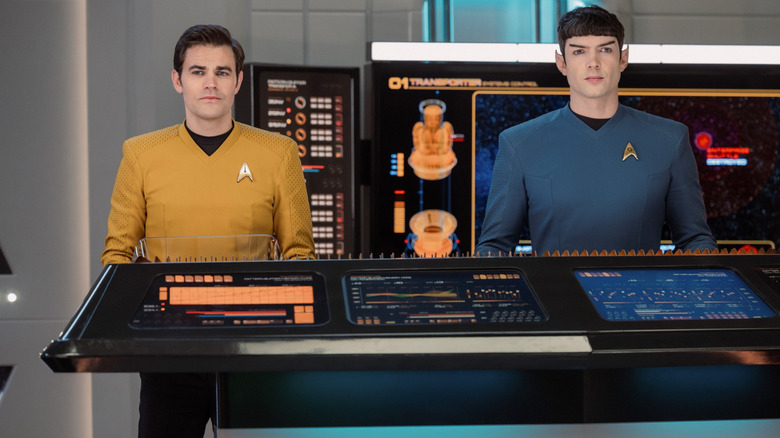
If the writers choose to lean into this newfound intimacy, the audience can expect to see a more nuanced version of the bridge dynamic. When they stand on the bridge of the Enterprise in future episodes, the tension won’t be about whether they like each other—it will be about the high-stakes environment in which they must operate. This creates a more mature narrative, one that respects the intelligence of the audience.
The Road Ahead
As the season progresses, the stakes for this relationship will only rise. The audience is left with a compelling question: Will this moment of shared vulnerability be acknowledged, or will it be relegated to a "what happens on shore leave stays on shore leave" secret?
If the series is to truly succeed in its goal of redefining these icons, it must treat this moment as a touchstone. It should be the memory they look back on when the galaxy is in peril. It should be the unspoken truth that anchors them during the most difficult of missions.
For now, Strange New Worlds has achieved something rare: it has taken a story we thought we knew, a relationship that has been analyzed to death by fans and critics alike, and found a fresh, funny, and deeply human way to surprise us. Whether this will be remembered as the definitive origin of the Kirk-Spock bond remains to be seen, but for the moment, it is a breath of fresh, albeit inebriated, air for the Star Trek universe.
New episodes of Star Trek: Strange New Worlds continue to air every Thursday on Paramount+, promising further explorations of the final frontier and the unlikely friendships that make traversing it worthwhile.