Melodies of Chaos: Clément Ducol Scores the Theatrical Bedlam of Comédie-Française

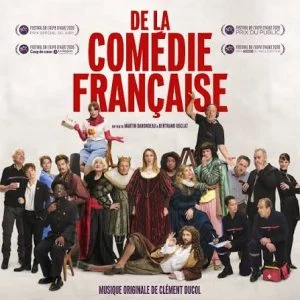
The intersection of high art and chaotic farce has long been a staple of French cinema, but rarely has it been captured with the melodic precision found in the latest soundtrack release from 440 Hz. The label has officially dropped the original motion picture score for the new French comedy Comédie-Française (De la Comédie-Française), featuring the evocative, witty, and rhythmically complex work of acclaimed composer Clément Ducol. As the film makes its mark on French audiences, the music stands as a testament to the fragile line between theatrical prestige and total creative collapse.
Main Facts: A Symphony of Stage Fright
The soundtrack, now available across major digital streaming platforms including Amazon, provides an immersive look into the musical landscape of directors Bertrand Usclat and Martin Darondeau’s latest feature. Clément Ducol, whose previous credits include the critically lauded Emilia Pérez, Peter Von Kant, and the animated gem Chicken for Linda!, brings a seasoned ear for character-driven composition to this project.
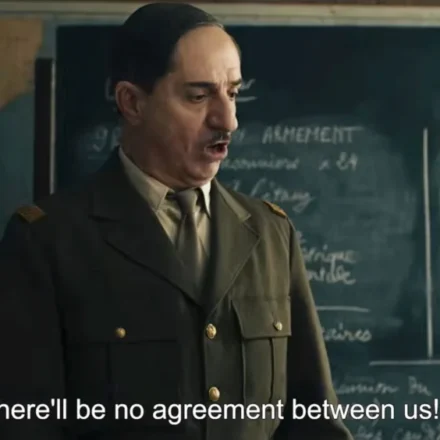
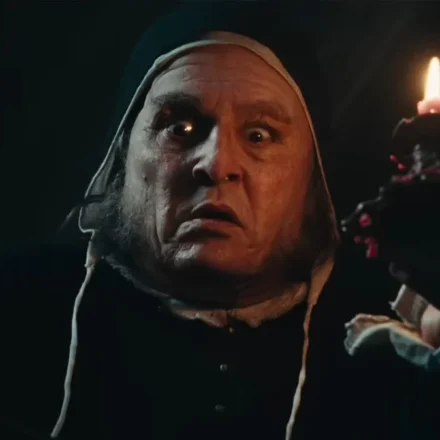
The film itself follows an ambitious actress-turned-director who finds herself spiraling into the ultimate professional nightmare. Just hours before the grand premiere of her high-stakes production of Shakespeare’s Macbeth, the theater descends into an irredeemable state of disarray. The score functions not merely as background texture but as a narrative engine, mirroring the frantic energy of the cast—which features notable talents such as Pauline Clément, Benjamin Lavernhe, Marina Hands, Julien Frison, Danielle Lebrun, Sefa Yeboah, and Laurent Stocker.
The album captures the essence of this high-pressure environment, oscillating between the stately, traditional sounds of the legendary Comédie-Française institution and the frantic, syncopated urgency of a production on the brink of implosion.
Chronology: From Concept to Cinema
The journey of Comédie-Française from a screenplay concept to a theatrical release has been a rapid and focused affair.
- Pre-Production: Directors Usclat and Darondeau spent much of the previous year refining the script, ensuring the balance between slapstick humor and the technical nuances of theater life remained authentic.
- Composition Phase: Clément Ducol joined the production during the late stages of filming, tasked with creating a soundscape that could bridge the gap between the stuffy, historical atmosphere of the theater and the modern, frantic energy of the plot. Ducol utilized a mix of orchestral strings to represent the weight of tradition, layered against discordant, avant-garde instrumentation to signify the mounting chaos of the premiere.
- Release Window: The film officially hit French theaters last Wednesday, drawing praise for its ensemble performances and its sharp, self-deprecating look at the performing arts.
- Soundtrack Launch: Following the theatrical premiere, 440 Hz moved quickly to release the digital soundtrack, allowing fans to dissect the thematic motifs of the film outside the confines of the theater.
As of this writing, while the film is enjoying a successful run in France, there has been no official word regarding a domestic release in the United States or the broader international market. However, the availability of the score on global platforms provides a bridge for international fans of Ducol’s work to engage with the film’s atmosphere.
Supporting Data: Ducol’s Expanding Musical Universe
To understand the weight of this release, one must look at the trajectory of Clément Ducol. His reputation as one of the most versatile composers in contemporary European cinema is well-earned.
| Film Title | Year | Genre |
|---|---|---|
| Little Tickles | 2018 | Drama |
| I Wish Someone Were Waiting for Me Somewhere | 2019 | Drama |
| Maestro | 2020 | Comedy |
| Peter Von Kant | 2022 | Drama |
| Chicken for Linda! | 2023 | Animation |
| Emilia Pérez | 2024 | Musical/Crime |
| Comédie-Française | 2026 | Comedy |
Ducol’s work on Emilia Pérez proved his ability to handle genre-bending narratives, a skill that appears to have been essential for Comédie-Française. The soundtrack album for the new film is meticulously structured, offering listeners a journey through the "Main Theme"—a piece that establishes the grandeur of the stage—through to the "End Credits," which reportedly captures the cathartic, if exhausted, release of the film’s climax.
The technical specifications of the soundtrack release (available in high-definition streaming formats) ensure that the subtle nuances of the orchestration—the scratching of bows against strings, the sudden shifts in tempo—are preserved. This is essential for a score that relies heavily on "theatricality" as a musical instrument.
Official Responses and Creative Vision
In brief statements surrounding the film’s release, the directing duo of Usclat and Darondeau emphasized that the music was the "glue" that held the erratic energy of the plot together. "We knew that the comedy would be fast and sometimes abrasive," the directors noted. "We needed a composer who understood that the music couldn’t just be ‘funny’; it had to be as serious as the actors take their craft, even when everything around them is falling apart."
Clément Ducol, in previous interviews regarding his process, has mentioned that his goal is always to find the "pulse" of a film. For Comédie-Française, that pulse is erratic, prone to palpitations, and deeply romantic about the theater. By grounding the chaotic scenes in classical musical structures, Ducol elevates the humor, forcing the audience to feel the stakes of the fictional production of Macbeth as if they were sitting in the front row.
Critics in the French press have highlighted the score’s ability to act as a "meta-commentary." By using instruments typically associated with serious dramatic scores, Ducol highlights the absurdity of the characters’ panic, creating a dissonance that is inherently comedic.
Implications: The Future of Theatrical Satire
The release of Comédie-Française comes at a time when the film industry is increasingly interested in the "behind-the-scenes" mechanics of art. The success of this soundtrack and the film itself could signal a resurgence in high-concept theatrical comedies—a genre that has been somewhat dormant in recent years.
The Role of the Soundtrack in Modern Comedy
The music of Comédie-Française demonstrates a shifting trend in how comedy is scored. Historically, comedies often relied on whimsical, lighthearted arrangements. Ducol’s approach, however, treats the comedy as a high-stakes drama. This "straight-faced" musical approach is becoming a hallmark of modern satirical filmmaking. By taking the music seriously, the composer grants the film a level of prestige that it might otherwise lack, allowing the humor to land with greater impact.
International Distribution Challenges
The lack of a domestic (US/UK) release date for Comédie-Française highlights the persistent challenge of exporting localized cultural satire. Because the film is deeply rooted in the specific lore and institutional prestige of the Comédie-Française (the oldest active theater company in the world), international distributors may be wary of whether the humor will translate to audiences unfamiliar with the nuances of the French stage. However, the soundtrack serves as a powerful marketing tool; by making the music accessible globally, 440 Hz and the filmmakers are building an international interest that may eventually compel a streaming service or distributor to pick up the film for foreign territories.
The Legacy of Clément Ducol
For Ducol, this project further cements his status as a composer who cannot be pigeonholed. Having moved from the gritty emotional depth of Little Tickles to the operatic boldness of Emilia Pérez and now to the frantic wit of Comédie-Française, Ducol has established himself as a composer who values thematic evolution. His ability to craft music that functions both as a standalone listening experience and a vital component of the cinematic narrative ensures that his work will continue to be a subject of interest for both film buffs and audiophiles.
As audiences continue to stream the soundtrack, they are invited into a world where the curtain is always about to rise, the lines are forgotten, and the music is the only thing keeping the show on the road. Whether or not the film reaches a global audience in the coming months, the music of Comédie-Française stands as a vibrant, rhythmic portrait of the art of performance and the beautiful disaster of creation.