A New Horizon for Bangladeshi Cinema: Rubaiyat Hossain’s ‘The Difficult Bride’ Makes Historic Venice Bow

In a landmark moment for South Asian cinema, filmmaker Rubaiyat Hossain has shattered a long-standing glass ceiling. Her latest feature, the supernatural feminist drama The Difficult Bride, has been officially selected for the prestigious Orizzonti (Horizons) competition at the 81st Venice Film Festival. This selection marks a historic milestone: it is the first Bangladeshi feature film ever to compete in the festival’s history. As the film prepares for its world premiere, Berlin-based sales powerhouse Films Boutique has boarded the project for international distribution, signaling significant global expectations for the work.
The film, which blends the visceral intensity of psychological horror with sharp-edged feminist critique, arrives at a critical juncture for both the global film industry and the social landscape of Bangladesh.
The Premise: Beauty, Fear, and Urban Folklore
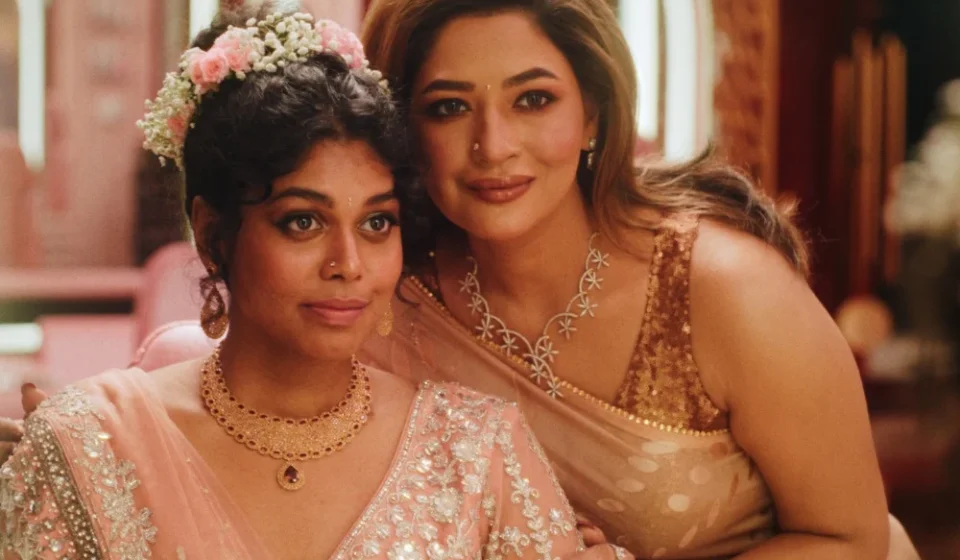
Set against the backdrop of Mayfair—a storied, atmospheric beauty parlor in the heart of Dhaka—The Difficult Bride centers on the ritualistic and often suffocating preparations of a young bride-to-be. The narrative follows the lead character, portrayed by newcomer Zaineen Chowdhury Karim, as she navigates a world where the expectations of beauty, the mandates of faith, and the haunting weight of memory converge.
The screenplay, penned by Hossain, is deeply rooted in a chilling urban legend she encountered during her own childhood. The tale speaks of a bride who met a tragic, mysterious end within the walls of a salon, an archetype that serves as a conduit for the film’s exploration of the "male gaze" and the historical objectification of the female body. As the wedding preparations unfold, the salon transforms from a site of transformation into an unsettling, liminal space, blurring the lines between reality and the supernatural.
The film features a powerhouse ensemble of Bangladeshi talent, including three Bangladesh National Film Award winners: Azmeri Haque Badhon, Rikita Nondine Shimu, and Sunerah Kamal. The cast is rounded out by Zaineen Chowdhury Karim in her acting debut and a special guest appearance by Dameer Khan, creating a synergy between veteran performers and fresh perspectives.
Chronology: A Career of Uncompromising Vision
The selection of The Difficult Bride is the culmination of a deliberate, decade-long ascent for Rubaiyat Hossain, who has established herself as one of the most vital voices in contemporary independent cinema.
- 2011: Hossain made her directorial debut with Meherjaan, a film that garnered critical attention at the Northampton and Tiburon film festivals, establishing her interest in challenging historical narratives.
- 2015: Her sophomore feature, Under Construction, cemented her reputation as an auteur of the human condition, earning screenings at the Locarno and Stockholm Film Festivals.
- 2019: Made in Bangladesh propelled her to the international stage. Premiering in the Contemporary World Cinema section at the Toronto International Film Festival (TIFF), the film traveled to Locarno and the BFI London Film Festival, ultimately earning her a nomination for the prestigious Asia Pacific Screen Award.
- 2024: The Difficult Bride marks her fourth feature and her most ambitious project to date, receiving early validation through the inaugural Fondazione Prada Film Fund.
Supporting Data: An International Collaboration
The Difficult Bride is a testament to the power of transcontinental co-production, bridging the gap between South Asian storytelling and European production infrastructure. The film is a multi-national effort, produced by France’s Les Films de l’Après-Midi, in co-production with Midas Filmes (Portugal), Khona Talkies (Bangladesh), Barentsfilm (Norway), and Tandem Production (Germany).
The production team is equally expansive, led by producers François d’Artemare, Pedro Borges, Rubaiyat Hossain, Aadnan Imtiaz Ahmed, Ingrid Lill Høgtun, and Anna Katchko, with Md Shariful Islam and Kevin Chaty serving as executive producers.
The film’s aesthetic and auditory identity is defined by a powerhouse crew:
- Cinematography: The visual language of the film was crafted by Leonor Teles, the visionary Portuguese director of photography who holds the distinction of being the youngest winner of the Golden Bear for a short film at the Berlin Film Festival (2016).
- Score: The haunting, atmospheric soundscape was composed by British composer Jim Williams, known for his work on Julia Ducournau’s genre-defining films Raw and Titane.
The project secured substantial backing from an array of global film funds, including Eurimages, the French CNC, Portugal’s ICA, Norway’s Sorfond, and Germany’s World Cinema Fund, underscoring the universal appeal of the narrative.
Official Responses and Strategic Vision
Jean-Christophe Simon, CEO of Films Boutique, expressed immense enthusiasm regarding the acquisition. "We’re particularly proud to be trusted with Rubaiyat’s new film," Simon stated. "Following the success of Made in Bangladesh, she has created yet another genuinely unique cinematic work. It will allow for an uncompromising female character to reach audiences worldwide. Both from an aesthetic and topical standpoint, her powerful and particularly entertaining movie will speak to many about the situations so many women are still confronted with, when it comes to the way patriarchal society looks at their body."
Rubaiyat Hossain herself remains characteristically humble, emphasizing the collective effort required to bring such a complex vision to fruition. "A film is born from the long years of work, sacrifice, patience, creativity, and love of many people," Hossain noted. "I am deeply grateful to our entire team, our actors, crew members, co-producers, and collaborators."
Implications: A Cultural Beacon
The inclusion of The Difficult Bride in the Venice Horizons competition is not merely a milestone for the festival; it is a profound cultural statement for Bangladesh. While the nation has seen short films reach the Venice stage—most notably Ishtiaque Zico’s 720 Degrees in 2010, produced by the same studio, Khona Talkies—the jump to a full-length feature in the main competition is a significant leap forward.
The timing of this release is particularly poignant. The film enters the global consciousness at a moment when women’s rights in Bangladesh are facing intense pressure from conservative and extremist religious groups. By centering a narrative on the autonomy of the female body and the dangers of patriarchal tradition, Hossain is engaging in a form of soft-power resistance. The film functions as both a piece of high-art cinema and a urgent social commentary, demanding that international audiences reckon with the realities of modern womanhood in South Asia.
As the festival runs from September 2 to September 12, the international community will be watching closely. The Difficult Bride is poised to do more than just represent a country; it is positioned to challenge the very foundations of the stories we tell about beauty, tradition, and the haunting ghosts of the past. Through the lens of Mayfair’s beauty parlor, Rubaiyat Hossain has invited the world to look behind the curtain of the "perfect" bride—and what it finds there may just change the trajectory of Bangladeshi cinema forever.