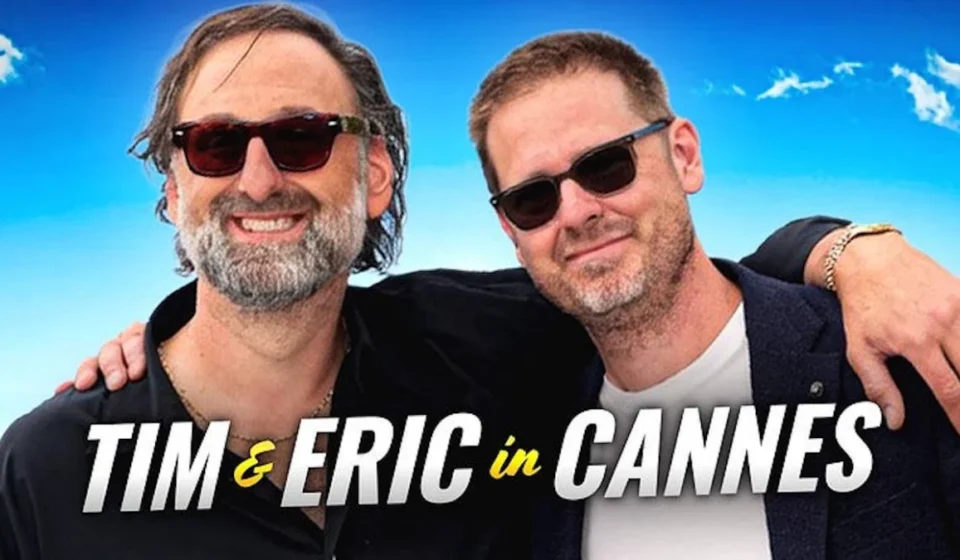

In the pantheon of comedy, few names evoke as polarizing a reaction—or as profound an influence—as Tim Heidecker and Eric Wareheim. For nearly two decades, the duo has acted as the architects of a specific brand of chaotic, surrealist humor that has fundamentally reshaped the American comedy landscape. From their humble beginnings as Temple University students to the cult-defying heights of Tim and Eric Awesome Show, Great Job!, they have remained the industry’s most consistent subversives. Now, in a move that feels both entirely fitting and deeply absurd, the pair has arrived at the Cannes Film Festival to star in Quentin Dupieux’s latest feature, Full Phil.
A Chronology of a Comedy Revolution
The trajectory of Tim and Eric is not that of a typical Hollywood act. Their early work, broadcast on Adult Swim between 2007 and 2010, operated like public-access television filtered through a cracked, funhouse mirror. For an entire generation of viewers, their sketches served as an illicit initiation rite—a rejection of traditional sitcom structures in favor of a gleefully psychoactive aesthetic.
Following their initial run, the two branched out into distinct, equally ambitious directions:
- 2011–Present: Heidecker launched On Cinema at the Cinema alongside Gregg Turkington, creating an expansive, multi-layered "psychodrama" that has evolved from a simple film review parody into a sprawling, real-time multimedia universe.
- 2013–2014: Wareheim leaned into his role as a visual stylist and director, collaborating with French auteur Quentin Dupieux on Wrong Cops and Reality, bridging the gap between underground sketch comedy and international art-house cinema.
- 2026: Heidecker was named the new creative director of InfoWars, a pivotal move as The Onion moved to dismantle the propaganda empire of Alex Jones.
- 2026 (Cannes): The duo reunites in front of the camera for Dupieux’s Full Phil, a film that sees the two playing "screwy scientists" in a meta-commentary on the horror genre.
The Dupieux Connection: A Meeting of Surrealist Minds
Quentin Dupieux, the prolific French filmmaker and electronic musician (performing as Mr. Oizo), has long been a spiritual sibling to Heidecker and Wareheim. His work, characterized by existential meta-comedy and a penchant for the bizarre, provides the perfect canvas for the duo’s theatrical sensibilities.
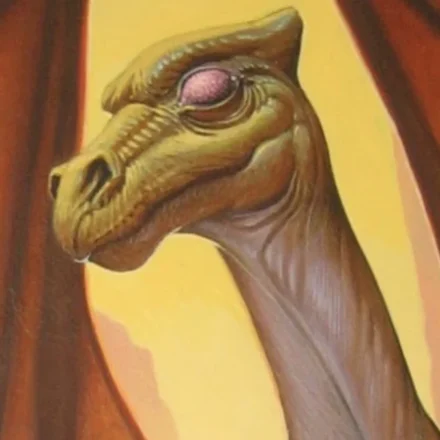
Full Phil, described by Dupieux as "Emily in Paris in hell," stars Woody Harrelson as a wealthy patriarch attempting to reconnect with his estranged daughter, played by Kristen Stewart. Within this narrative, Heidecker and Wareheim portray scientists reminiscent of the classic Victor Frankenstein archetype. Their performance within this "film-within-a-film" is a masterclass in scenery-chewing, featuring a reptilian creature—inspired by Creature from the Black Lagoon—that terrorizes cartoonish victims.
During a candid discussion at a swanky hotel restaurant on the Croisette, the pair reflected on the experience. "We are intentionally bad in the movie," Heidecker noted, describing the process of adopting mid-Atlantic accents and grand, theatrical gestures that differed significantly from the improv-heavy style they are known for in their own productions.
Supporting Data: The "Creator Economy" Progenitors
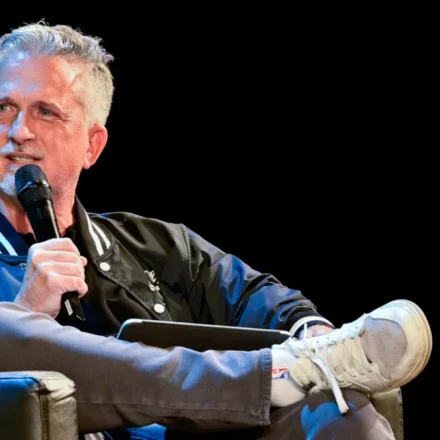
Ahead of the premiere of Full Phil, Heidecker and Wareheim participated in an IndieWire keynote titled "The Future of Filmmaking" at the festival’s American Pavilion. The discussion highlighted their legacy as pioneers of the creator economy.
Having founded their production company, Abso Lutely, in 2007, the duo navigated the shifting tides of the industry long before "creator-led content" became a buzzword. They successfully balanced independent production with high-level studio deals, eventually navigating the complexities of post-COVID production environments.
"Abso Lutely started as a necessity," Heidecker explained. "We had to have a company to make our stuff. Then, to keep everyone employed, we started producing for others. But the landscape has shifted toward in-house network production, which has made it harder to get the ‘weird’ stuff made."
Official Responses and Industry Tensions
Despite their massive cultural impact, the duo expressed a healthy, if slightly cynical, perspective on the Cannes festival itself. Comparing the venue to "The Grove if it were the size of Disney World," they observed the absurdity of the formal dress code for film screenings.
"I do like the formality of it," Wareheim admitted, noting the contrast to their usual at-home viewing habits. Heidecker, however, maintained his characteristic dry edge, joking, "I hope they boo."
The conversation also veered toward the reality of their industry status. Heidecker expressed a bemused frustration with the celebrity-centric nature of the festival. "We’re sitting here saying Tim and Eric changed the course of American comedy, and nobody is interested," he remarked with a laugh. "But then you look at other actors who are treated like royalty, and it’s just this strange, gilded tumult."
Implications: The Future of Independent Expression
Perhaps the most significant takeaway from their current professional lives is their pivot away from traditional development hell. Having experienced the limitations of working with major studios—where creative intuition is often strangled by endless questioning and executive second-guessing—both have opted for a more direct-to-consumer model.
Heidecker’s work with the HEI Network and his recent involvement in the restructuring of InfoWars serve as proof-of-concept models for maintaining creative integrity. "We would prefer to have big deals where they give us too much money," Heidecker admitted, "but this is a way to make the pure stuff."
Wareheim, meanwhile, has found a parallel outlet for his creative energy in the world of horticulture. Having moved into importing rare plants and studying bonsai, he sees the same artistic impulse in gardening as he does in comedy. "Comedy, winemaking, even plant stuff—it’s all about giving someone a beautiful feeling," Wareheim said.
A Lasting Legacy
As they look toward the future, the duo remains tethered by a decades-long friendship and a shared refusal to play by the conventional rules of the entertainment industry. Whether they are deconstructing political media, starring in French absurdist cinema, or importing Australian grasstrees, Tim Heidecker and Eric Wareheim continue to operate on their own terms.
Their presence at Cannes is a testament to the longevity of their vision. They are no longer just the chaotic sketch comedians of the late 2000s; they are seasoned architects of a new, decentralized media landscape, proving that even as the industry changes, there is always room for the weird, the bold, and the unapologetically "Abso Lutely" strange.