Bridging the Industry Gap: The Gotham Unveils its 2026 EDU Career Development Cohort

The landscape of professional filmmaking and media production is undergoing a seismic shift. As the traditional gateways to Hollywood continue to evolve, the bridge between academic theory and practical, on-the-ground experience has become more critical than ever. Addressing this imperative, The Gotham—the preeminent organization supporting independent creators and the publisher of Filmmaker—has officially announced the selection of its 2026 cohort for The Gotham EDU Film and Media Career Development Program.
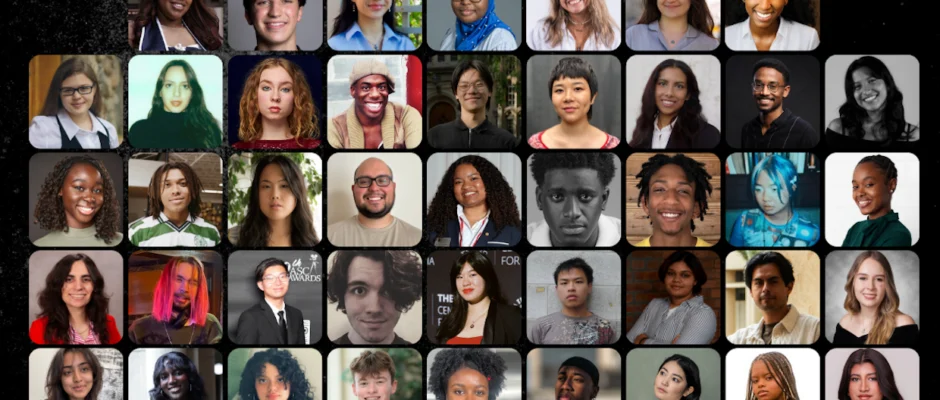
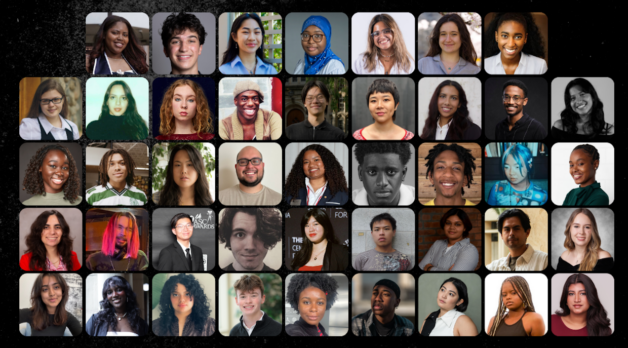
This eight-week virtual incubator serves as a vital training ground, connecting 43 high-potential students from 31 diverse colleges and universities across the United States with the industry’s most influential architects. By providing mentorship, unfiltered professional insights, and tactical feedback, the program aims to demystify the entertainment industry for the next generation of creative leaders.
A Targeted Approach: The Six Pillars of Industry Success
Recognizing that the modern media landscape requires specialized expertise, The Gotham EDU program organizes its participants into six distinct tracks. Each track is designed to mirror the actual professional silos found in major production houses, creative agencies, and independent studios.
The 2026 Curriculum Tracks
- The Sidney Poitier Initiative (SPI) Track for Multi-Hyphenates: Dedicated to the legacy of the late Sidney Poitier, this track fosters the development of creators who move fluidly between acting, directing, and writing.
- Executive Leadership and Ambassador Track: Designed for those eyeing the C-suite and administrative power structures, this track includes high-level shadowing opportunities, including placements with organizations like Storm City Films.
- Television/Episodic Creator Track: Focused on the unique rigors of the "Golden Age" of television, guiding students through the serialized storytelling process.
- Documentary Filmmaker Track: A rigorous look at the non-fiction sector, from archival research to the ethics of representation.
- Narrative Filmmaker Track: Centered on the craft of feature film storytelling, from script development to final cut.
- Entrepreneurship in Media Track: An essential bridge for those looking to build independent production companies, navigate venture capital, and understand the economics of the creator economy.
This granular approach ensures that students are not merely learning "filmmaking" in the abstract, but are instead being trained in the specific language, challenges, and networks relevant to their desired career trajectory.
A Brief History: From Pilot to Pipeline
The Gotham EDU program has seen a rapid ascent since its inception. Launched in 2020 during the height of the global pandemic, the initiative began as a grassroots effort to support 22 students who had seen their internships and professional prospects vanish overnight. What was initially an emergency measure has blossomed into a flagship educational pillar for The Gotham.
Over the past eight years, the program has scaled in both size and scope, leveraging its virtual nature to dissolve geographical barriers. By removing the requirement to be physically present in a media hub like New York or Los Angeles, the program has successfully tapped into a nationwide talent pool, pulling students from institutions ranging from Ivy League universities to major state schools and arts conservatories.
The 2026 edition, running from June 15 through August 6, represents the most sophisticated iteration of the program to date. While the instruction remains digital to ensure accessibility, the program’s reach now extends into real-world networking, with top-performing students slated to attend the prestigious Gotham Week—an industry-defining event taking place from September 27 through October 3.
The Economics of Opportunity: Philanthropic Backing
A defining feature of the Gotham EDU program is its commitment to equity. By securing comprehensive corporate, philanthropic, and institutional funding, The Gotham provides full tuition for all 43 selected participants. This removes the "pay-to-play" barrier that often keeps lower-income, high-talent students out of professional development circles.
The 2026 cohort is supported by a coalition of high-profile backers, including The Burke Family Foundation, NBCUniversal, Colgate University, and Yale University. Specific tracks also benefit from targeted patronage: the SPI Track is bolstered by the Sidney Poitier Initiative, while the Entrepreneurship in Media track is supported by Joe and Christie Marchese. This financial infrastructure is not just a donation; it is an investment in the diversification of the entertainment workforce.
Voices from the Top: Insights from The Gotham
The program’s leadership emphasizes that the true value of the eight-week stint lies in its radical transparency. In an industry often guarded by gatekeepers, the program mandates that speakers provide "unfiltered" access.
"Watching students arrive with a vision then leave with a real roadmap is what Gotham EDU is about," said Kia Brooks, Managing Director of The Gotham, in an official press release. Brooks highlighted that the 2026 group is among the most "diverse and driven" in the program’s history, noting that the curriculum was specifically adjusted to reflect the current, volatile reality of the entertainment industry.
Jeffrey Sharp, Executive Director of The Gotham, echoed these sentiments, stressing the importance of the program’s pragmatic focus. "What keeps this program vital is the honesty and practicality of these resources—students get unfiltered access to professionals who tell them what the work really looks like," Sharp stated. He noted that the program is not just about teaching craft, but about preparing the next generation to navigate the structural realities of a rapidly evolving media ecosystem.
Implications for the Future of Media
The success of the Gotham EDU program serves as a barometer for how the industry views entry-level talent. By inviting speakers from powerhouses like Netflix, MGM, MACRO, UTA, ColorCreative, NBCU, Blumhouse, and NEON, the program creates a direct pipeline between the classroom and the greenroom.
The implications are twofold:
- Professional Readiness: Students are exiting the program with a realistic understanding of the industry’s pace, the necessity of networking, and the importance of professional agility.
- Diversity and Inclusion: By drawing from a wider array of universities and providing full scholarships, The Gotham is actively shifting the demographic makeup of the future industry workforce, ensuring that the "next big thing" in media is not restricted by socioeconomic status.
The 2026 Cohort: A New Generation of Talent
The 43 students selected for this year’s program represent the future of storytelling. Below is the full list of participants, categorized by their respective tracks:
Executive Ambassador Track: Ayana Ahuja (Brown), Layla Santana (St. John’s), Sierra Bleu Bivins (Emerson).
Executive Leadership Track: Ashley Dunbar (Colgate), Ava Maire Mc Dermott (Pace), Avantika Matele (Princeton), Gabriela Acensio (Oglethorpe), Nil Mira Celik (American).
Narrative Filmmaker Track: Chenjun Gao (Yale), Eduardo Diaz Sandoval (New Mexico State), Kai Tomizawa (NYU), Lynn Nguyen (Brown), Nicholas Diodato (Rutgers), Tramaine Raphael Gray (CalArts), Will Beere (Colgate).
SPI Track for Multi-Hyphenates: Amber Dhall (NYU), Brian Wade (Feirstein), Chiamaka Okafor (UConn), Ganiah Lucinda Bracy (Washington & Jefferson), Grant Fortune (Howard), Isabella Maaliki (NYU), Mareme Fall (Vassar).
Entrepreneurship in Media Track: Aric Julian Lopez (USC), Dominique de Castro (Columbia), Kyara Gandara (San Diego State), Mary Moussa (Hunter), Saifeddine Lahmar (Northwestern), Xavier Peng (Chapman).
Television/Episodic Creator Track: Amy B. Tiong (Northwestern), Essence Jackson (Howard), Haley Sakamoto (Stonybrook), Kahley Burwell (Loyola Marymount), Nathaniel Kron (Colgate), Nicole Viloria (Yale), Trish Owyang (Columbia College Chicago).
Documentary Filmmaker Track: Alexus Anderson (Georgia State), Alice Adriana Estrada (Tufts), Christian Lee (UCLA), Edward Nguyen (Yale), Joshua Jones (Colgate), Kg Giroux (NYU), Logan R. St Hilaire (Ohio State), Toby Nicholson (Colgate).
As these students begin their eight-week journey this June, the broader industry will be watching. In a world where the only constant is change, programs like The Gotham EDU provide the stability, context, and connection required for young creators to turn their ambitions into careers.