
In an era defined by IP-driven content, algorithmic greenlighting, and a theatrical landscape that is increasingly polarized between tentpole blockbusters and micro-budget indie curiosities, the question arises: what would happen if the greatest British films of the 20th century were submitted to financiers today?
This provocative hypothetical served as the centerpiece for a high-level industry panel at the Edinburgh International Film Festival (EIFF). Hosted by Wendy Mitchell, the session gathered a formidable cohort of industry heavyweights—including Picturehouse creative director Clare Binns, legendary producer Christine Vachon (Killer Films), Film4’s head of distribution and sales Stefanie Fahrion, BBC Film commissioning executive Alice Ojha, and talent agent Simon Renshaw. Their mission: to evaluate classic scripts as if they had landed on their desks in 2026, navigating the treacherous waters of modern equity, streaming mandates, and shifting audience demographics.
The State of Play: A Tougher Landscape?
The panel consensus was immediate: the market has not necessarily become kinder to the idiosyncratic or the challenging. However, the discussion revealed that many films once considered "risky" or "problematic" possess inherent qualities—shock value, niche appeal, or structural brilliance—that might actually make them more attractive to contemporary buyers than their original producers ever dared to dream.
Case Studies in Modern Financing
1. Trainspotting: The Viral Potential
When Trainspotting debuted in 1996, it was an outlier—a grit-soaked, heroin-fueled odyssey featuring a dead baby, the most infamous toilet in cinema history, and a thick Scottish vernacular that threatened to alienate global audiences.
Today, the panel viewed the film through a different lens. Clare Binns argued that Danny Boyle’s preceding success with Shallow Grave acted as the critical "proof of concept" that would allow a director to move forward. Stefanie Fahrion highlighted that in the age of social media, the film’s "shock value" is a feature, not a bug. "It has the ‘talking factor,’" she noted, suggesting that the film’s iconic imagery would trigger a viral "FOMO" (fear of missing out) that studios now spend millions trying to manufacture.
Alice Ojha of BBC Film emphasized that the presence of Irvine Welsh’s novel—an established, cult-following IP—serves as the primary risk-reduction mechanism. Christine Vachon, ever the pragmatist, suggested she would market it as "genre-adjacent." At the right price point, she insisted, the film isn’t risky at all; it is a highly bankable slice of cult counter-culture.
2. Local Hero: The "Soft Money" Strategy
Bill Forsyth’s Local Hero represents a different beast: the gentle, character-driven dramedy. In 2026, the challenge is finding the "anchor." Vachon was blunt: "I don’t think you get any American equity or a pre-buy unless it was a really big, big star."
The panel’s solution? The "soft money" model. By leveraging regional tax credits, grants, and cultural funding, the production could insulate itself from the volatility of the U.S. box office. Binns, looking at the theatrical exhibition side, saw the film as a crucial play for the underserved older demographic. While it might not explode on opening weekend, it remains the quintessential "word-of-mouth" sleeper that sustains a long-tail run in arthouse cinemas.
3. Ratcatcher: The First-Feature Hurdle
Lynne Ramsay’s Ratcatcher served as the touchstone for the difficulty of launching a visionary career. Simon Renshaw identified the leap from short films to a debut feature as the industry’s most perilous "hurdle." Without a bankable cast, financiers remain notoriously hesitant.
Fahrion pointed to the necessity of public backing in the U.K. for such projects, noting that unique, challenging voices require a safety net that commercial entities rarely provide. Vachon, however, offered a characteristically sharp U.S. perspective: "What is this public funding of which you speak?" Her strategy for an American version of Ratcatcher was austere: shoot it for $300,000. The objective is not to chase a massive opening, but to build a critical case for the director, treating the film as a calling card rather than a commercial engine.
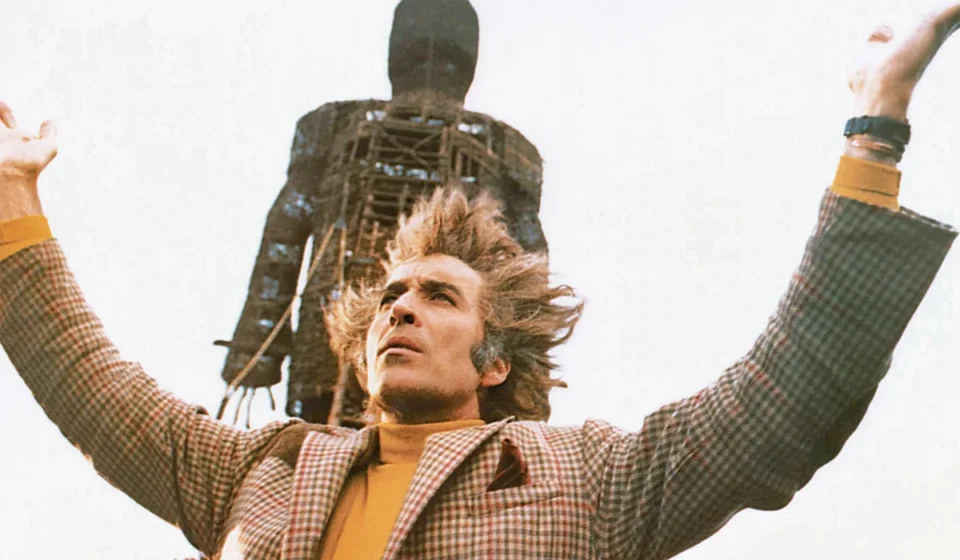
4. The Wicker Man: The New Genre Darling
Perhaps the most surprising takeaway was the rehabilitation of The Wicker Man. Once treated as a "problem child"—famously released as a double-bill afterthought to Don’t Look Now—the film is now viewed by the panel as the perfect product for the modern "elevated horror" market.
"This is exactly what the A24s and Neons of the world are looking for," Vachon stated. The elements that were once seen as niche—paganism, remote settings, and transgressive imagery—are now high-value commodities. Renshaw noted that the film’s low overhead and high concept make it an attractive "genre package" for buyers looking to build a brand around dark, intellectual, or atmospheric storytelling.
Implications for the Future of Independent Film
The session concluded with a brief, humorous look at the worst pitches the panelists had ever received—Renshaw cited a project described as "The Sixth Sense, but it’s a dog"—but the underlying message was serious.
The panel’s assessment suggests a bifurcated future for British cinema:
- The Rise of the "Genre-Adjacent": Producers are increasingly encouraged to frame gritty or unconventional stories within recognizable genre frameworks (horror, thriller, cult drama) to appease investors.
- The Public/Private Divide: While U.K. producers can lean on public development funds to nurture auteurs, American-style production demands a "micro-budget" efficiency that prioritizes talent discovery over traditional studio overhead.
- Audience Segmentation: There is a clear recognition that broad-market films are disappearing, replaced by films that know exactly who their audience is—whether that is the older demographic seeking the gentle comfort of a Local Hero or the younger, online-savvy crowd hunting for the next viral Trainspotting.
Conclusion: The "New" Old Guard
As the Edinburgh session proved, the industry is in a perpetual state of "what if." The films we now revere as untouchable classics were once viewed as high-risk gambles. The lesson for 2026 is that financing is less about the script itself and more about the packaging of risk.
Whether through the lens of viral potential, the reliance on soft money, or the strategic pivot toward high-concept genre, the path to the screen remains as complex as ever. Yet, as the panelists suggested, if a film has a "talking factor"—if it can spark a conversation that transcends the screen—there will always be a financier willing to take the bet. The classics aren’t just artifacts; they are blueprints for how to navigate the ever-shifting terrain of global cinema.