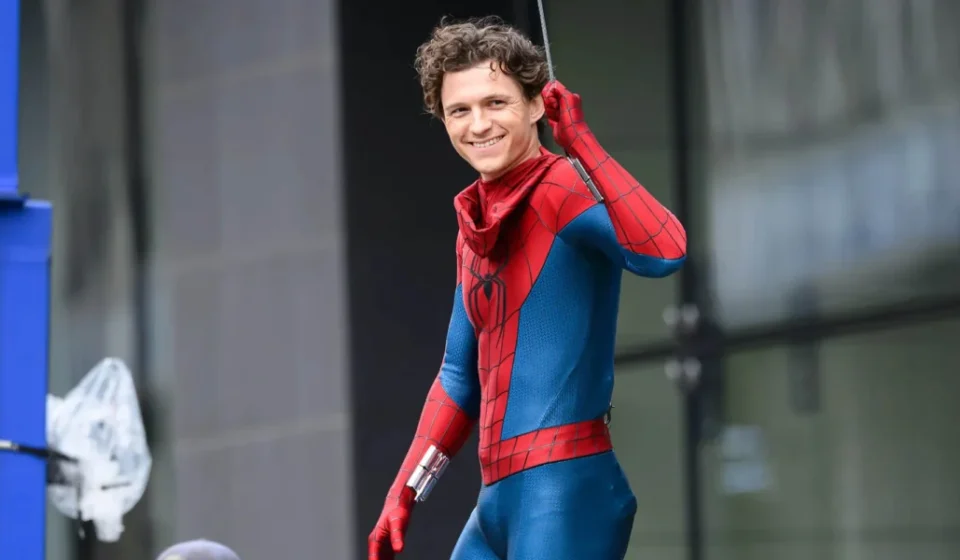
The Weight of the Mask: Decoding the VFX Alchemy of Spider-Man: Brand New Day

Four years after the reality-altering events of Doctor Strange’s spell rendered Peter Parker a ghost in his own life, the Marvel Cinematic Universe (MCU) returns to the gritty, neon-soaked streets of New York City. Spider-Man: Brand New Day—the 38th feature in the sprawling MCU tapestry—serves not only as a high-stakes blockbuster but as a poignant character study on the cost of total isolation. Directed by Destin Daniel Cretton and penned by the narrative architects Chris McKenna and Erik Sommers, the film marks a pivotal shift in how the franchise handles the intersection of grounded stunt work and digital artifice.
In this deep dive, we examine the production, the philosophy behind its "hybrid" visual effects, and the collaborative effort required to bring a modern, lonely Spider-Man to life.
The Narrative Foundation: A Ghost in the Machine
The emotional core of Brand New Day is rooted in profound loss. Peter Parker (Tom Holland) remains a figure of public celebration, yet his personal existence has been systematically erased. While the world cheers for Spider-Man, the people who once formed his support system—MJ, Ned, and others—have moved forward, leaving Peter to exist entirely within the confines of his mask.
This isolationist arc drives the film’s pacing. Rather than the high-flying, interdimensional stakes of recent installments, Brand New Day anchors itself in the street-level grit of New York. The film explores the mundane, crushing weight of heroism: the quiet visits to Aunt May’s grave and the relentless patrol of a city that doesn’t know who is saving it. This narrative choice necessitated a shift in the film’s visual language, moving away from cosmic vistas toward a tactile, lived-in urban environment.
Chronology of Production: From Street-Level to Spectacle
The production journey of Brand New Day was defined by a commitment to "physicality." During early development, the creative team expressed a desire to return to the tactile roots of the character, a sentiment echoed by Tom Holland in recent press junkets.
Phase 1: The Practical Grounding
The film opens with a sequence that serves as a thesis statement for its action design. When Frank Castle (Jon Bernthal) initiates a high-octane pursuit of an armored vehicle, the resulting chaos leads to a catastrophic breach of a Department of Damage Control prison. By utilizing real locations, practical vehicles, and stunt performers, the production team established a "weight" that is often lost in purely digital set pieces.
Phase 2: The Hybrid Methodology
The film’s middle act introduces a blend of physical stunts and digital augmentation. This "hybrid" approach ensures that while the foundation of a shot is captured in-camera—providing the necessary lighting, contact, and physics—the limitations of human biology are bypassed through CGI. This transition is not merely a stylistic choice; it is an economic and narrative necessity. As the film progresses into more complex action sequences, the digital double becomes an extension of Holland, allowing for the acrobatic contortions and rapid acceleration fans expect from the wall-crawler.
Supporting Data: The Illusion of Continuity
The technical challenge for the visual effects team was to ensure that the audience never perceives the "stitch" between Tom Holland, the stunt performers, and the digital doubles.
- Weight and Physics: A critical aspect of the film’s VFX success lies in the simulation of gravity. As the panel of The VFX Show 308 notes, the physics of a body in motion—specifically the way a character lands or shifts momentum—must remain consistent regardless of the digital manipulation.
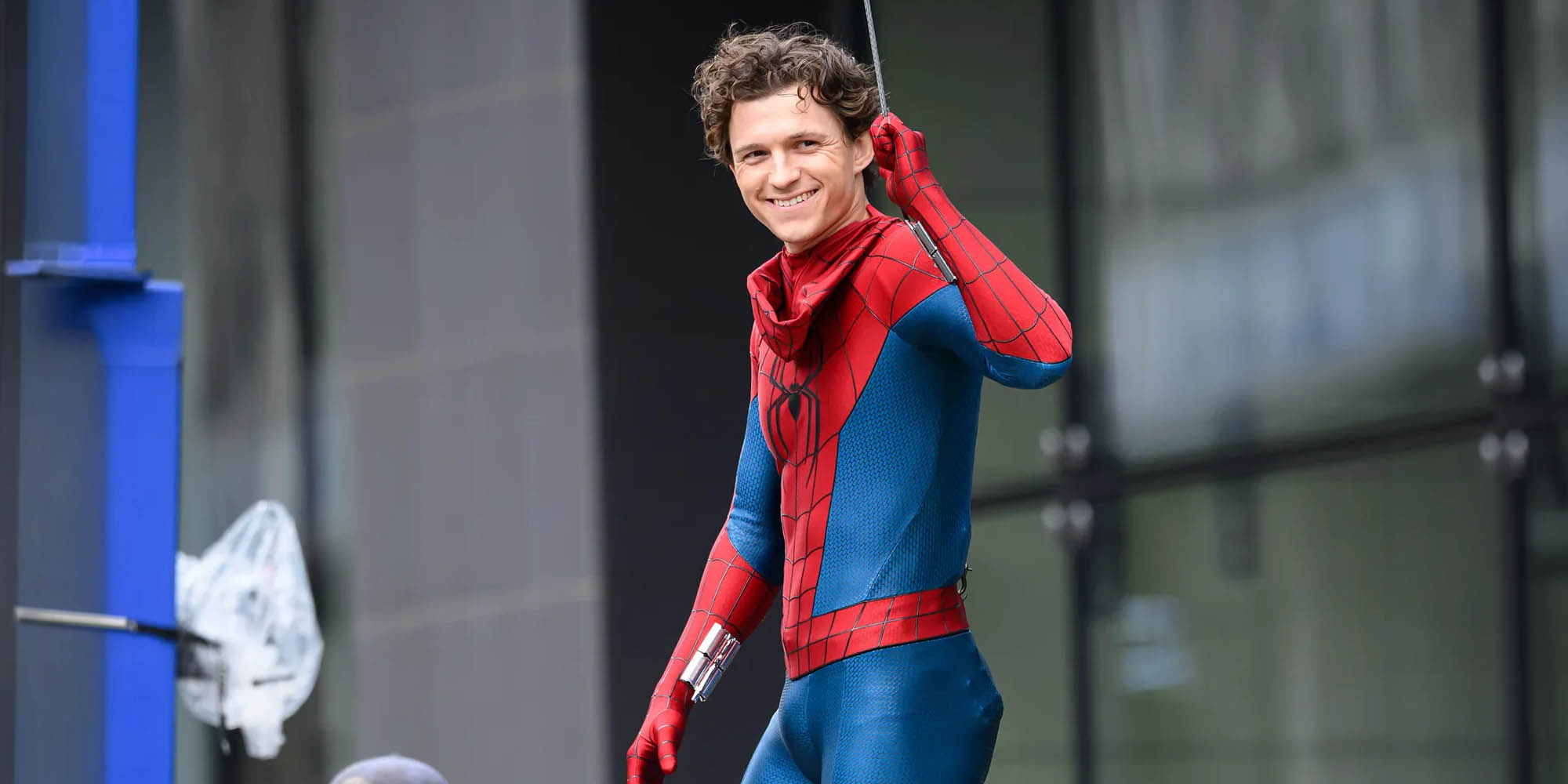
- The "Invisible" Hand: The VFX team utilized advanced rigging removal and environment extension to heighten the stakes of the action. By keeping the camera in motion with the character, they created an illusion of continuous, uninterrupted movement that mirrors the adrenaline of a live-action stunt.
- Digital Integration: The film’s reliance on practical suits, augmented by digital post-processing, allows for a texture that feels "real." By capturing the imperfections of the suit in the initial photography, the post-production team could map high-fidelity digital assets onto the real-world footage, creating a seamless visual flow.
Official Perspectives: The Panel Dissected
In the latest episode of The VFX Show, industry veterans Matt Wallin, Jason the "Rough-Cut Diamond," and Mike Seymour gathered to dissect the film’s technical triumphs and creative risks.
The panel, often jokingly referred to as "the three supervillains," brings a forensic eye to the film’s construction. Their discourse centers on a fundamental question: Is the hybrid approach the future of the blockbuster, or is it a crutch?
- Matt Wallin highlights the delicate balance between the "4th wall" of the audience and the technical execution. He posits that the film’s success relies on the audience’s willingness to suspend disbelief, which is only possible if the CGI does not distract from the performance.
- Jason offers a more critical perspective on the editing, noting that "ruthless" cuts are often required to maintain the illusion of seamless action. He argues that the digital manipulation sometimes threatens to undermine the physical impact of the stunts.
- Mike Seymour, ever the analytical mind, delves into the physics of gravity and mass. He questions whether the digital simulations adequately reflect the weight of Spider-Man as he traverses the urban landscape, leading to a lively debate on the role of scientific accuracy in superhero cinema.
Implications: The New Standard for Superhero Cinema
Spider-Man: Brand New Day represents a significant turning point for the Marvel Cinematic Universe. By doubling down on a hybrid methodology, the production team has set a new benchmark for how studios approach action.
The Human Element in a Digital Era
The success of the film suggests that audiences are increasingly craving a sense of "realism" within the fantastical. Even with the most advanced VFX suites at their disposal, the production team’s insistence on practical stunt work and real-world locations suggests a move toward a more grounded aesthetic. This approach has profound implications for future MCU projects:
- Reduced Visual Fatigue: By grounding the film in physical locations, the audience experiences less "CGI fatigue," a common critique of recent superhero films.
- Performance Preservation: The focus on practical suit work allows for a more nuanced performance from Tom Holland, whose physicality remains the anchor of the film.
- Future-Proofing VFX: By using digital tools to augment rather than replace, the studio creates a template that allows for greater creative flexibility in future sequels.
The Narrative Stakes
Beyond the technical, the film’s narrative success is rooted in its willingness to let Peter Parker suffer. By stripping away his connections to the world, the film forces the audience to engage with Spider-Man not as a superhero backed by technology or allies, but as a man defined solely by his moral imperative to protect a city that has forgotten him.
Conclusion
Spider-Man: Brand New Day is more than just another entry in a long-running franchise; it is a complex, technically ambitious, and emotionally resonant piece of filmmaking. Through its unique blend of practical stunt work and state-of-the-art visual effects, the film succeeds in keeping the "friendly neighbourhood" hero feeling relevant, grounded, and deeply human.
As the industry continues to evolve, the lessons learned from this production—that digital artifice is best served as a garnish rather than the main course—will undoubtedly influence the next generation of blockbuster cinema. For those interested in a deeper, more technical breakdown of these sequences, we highly recommend tuning into the full discussion on The VFX Show 308, where the experts unpack the secrets behind the web-slinger’s latest, loneliest adventure.
About the Panel:
- Matt Wallin: A visual effects expert known for his critical eye on production design.
- Jason (The Rough-Cut Diamond): An editor who challenges the traditional pacing of modern action sequences.
- Mike Seymour: A specialist in digital physics and VFX, known for his rigorous examination of film technology.
Special thanks to Jim Shen for the production of the episode. Subscribe to the podcast via your preferred platform to stay updated on the latest in the visual effects industry.