The Rise of the Nusantara Universe: Angga Dwimas Sasongko’s Vision for ‘Queen of Malacca’

Executive Summary: A New Frontier for Indonesian Cinema
The landscape of Southeast Asian cinema is on the precipice of a seismic shift. Angga Dwimas Sasongko, the visionary founder of the Indonesian production powerhouse Visinema, has officially positioned his latest epic, Queen of Malacca, as the anchor for a multi-year, transmedia expansion. Currently in the intensive throes of post-production, the fantasy project is slated for a global release in the first quarter of 2027.
More than just a film, Queen of Malacca represents the culmination of an eight-year creative odyssey. It is a high-stakes bet on the global viability of Southeast Asian mythology, blending visceral martial arts, supernatural intrigue, and top-tier visual effects. As the project gathers momentum—bolstered by Blue Finch Films’ handling of worldwide sales—Sasongko is currently navigating a complex web of distribution discussions that span from Southeast Asian neighbors to the lucrative markets of mainland China.
Chronology: From Concept to Global Ambition
The journey of Queen of Malacca began nearly a decade ago, long before the current trend of "regional IP" became a buzzword in industry boardrooms. For Sasongko, the project serves as a triumphant return to the director’s chair following a deliberate two-year hiatus.
- 2019–2025: The World-Building Phase: During this period, Sasongko and his creative team at Visinema meticulously mapped out the "Nusantara" universe, a mosaic of modern life infused with regional myths, folklore, and historical resonance.
- 2026: The Global Pivot: The industry took notice when Blue Finch Films signed on to handle worldwide sales, signaling that the project was no longer a domestic Indonesian endeavor but a high-priority international export.
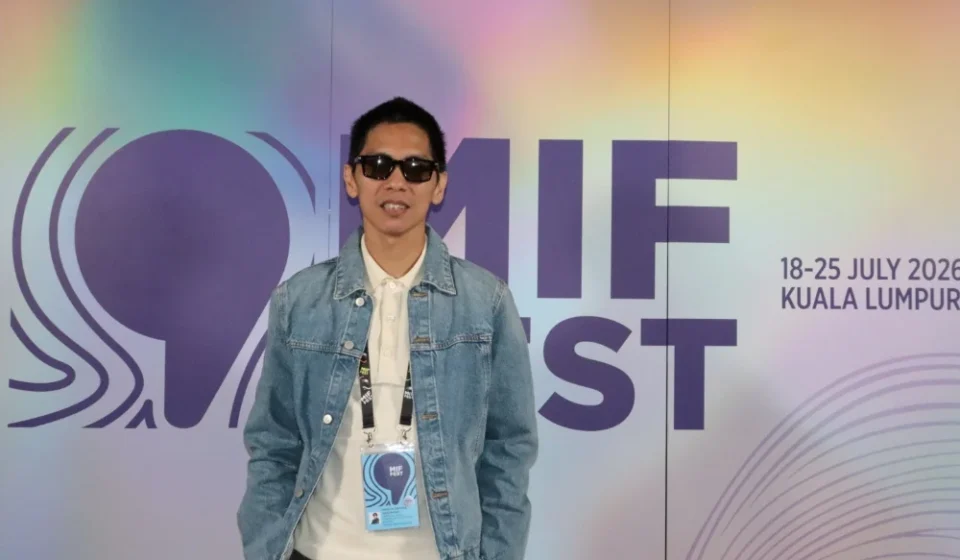
- July 2026: The MIFFest Reveal: During the Malaysia International Film Festival (MIFFest) in Kuala Lumpur, Sasongko provided the first substantive look at the film’s strategic importance, confirming it would serve as the cornerstone of Visinema’s future franchise strategy.
- 2027 (Q1): The Anticipated Premiere: The scheduled release window. This date is critical, as it coincides with a broader slate of five major Visinema productions, signaling a massive push for market dominance.
The Vision: Crafting a "Mosaic" Universe
Speaking with Variety in Kuala Lumpur, Sasongko emphasized that Queen of Malacca is not a singular cinematic experience, but a foundational text for a much larger narrative tapestry.
"I spent eight years building this fantasy world," Sasongko explained. "It combines Southeast Asian martial arts, supernatural elements, and extensive visual effects. It’s like creating a universe—a mosaic of modern life inspired by regional mythology and traditions."
The film serves as a synthesis of the aesthetic and the thematic. By weaving together the distinct cultural threads of the Malay Archipelago, the film aims to provide an "authentic yet exotic" experience for global audiences. The goal is to avoid the tropes of traditional Western fantasy by grounding the supernatural in a landscape that feels tactile, historical, and deeply rooted in the identity of the Nusantara region.
Supporting Data: Visinema’s Strategic Expansion
Visinema’s ambition is not confined to a single blockbuster. The studio is currently executing a long-term roadmap that stretches well into the next decade. The sheer scale of the production pipeline reveals a studio that has transitioned from a local production house to an integrated IP factory.
The 2027–2030 Pipeline
- 2027: The release of Queen of Malacca and four additional feature films.
- 2028: The launch of a high-budget, superhero-themed action-comedy animated feature, marking a bold foray into the global animation market.
- Beyond 2028: The expansion of the Nussa family franchise, which has already proven its mettle as a sustainable IP, alongside a sequel to the record-breaking animated hit Jumbo.
This pipeline is supported by a sophisticated approach to capital. Since 2018, Sasongko has maintained a strict internal policy: external investment in any given project is generally capped at 40%. This conservative fiscal strategy ensures that Visinema retains creative control and, more importantly, ensures that partnerships are built on strategic synergy rather than mere financial necessity.
Official Responses and Industry Implications
The buzz surrounding Queen of Malacca has drawn interest from major players in China, Thailand, Vietnam, and the Philippines. According to Sasongko, the search for distribution partners is a process of curation.
"For Visinema, international collaboration isn’t simply about securing more financing—it’s about expanding together," he noted. "We look at what strategic partners can contribute beyond capital. We want partners who understand the nuances of the Asian market and who have the capacity to help us build a brand that resonates across borders."
This philosophy suggests that Visinema is not merely looking for buyers, but for long-term stewards of their intellectual property. By focusing on markets like China and Thailand, the studio is effectively attempting to build a pan-Asian corridor for film distribution—a feat that has historically been difficult to achieve due to fragmented local regulations and cultural tastes.
The Macro Strategy: Intellectual Property as Equity
The broader implication of Sasongko’s strategy is a shift in how Indonesian cinema views its own value. For decades, Indonesian films were viewed largely through the lens of local box office success. Under the Visinema model, that paradigm has been inverted.
Key Pillars of the Visinema Strategy:
- Locally Rooted, Globally Appealing: The "glocal" approach—using specific, authentic cultural markers to build universal narrative structures.
- Strategic Minority Investment: By keeping external investment below 40%, Visinema protects its long-term equity in its IP, allowing them to retain control over sequels, spin-offs, and merchandising.
- Cross-Border Collaboration: Moving beyond simple exports to establish collaborative production relationships with neighboring media conglomerates.
- IP Diversification: Balancing live-action epics with animation, family dramas, and high-octane action to ensure a robust, year-round revenue stream.
Future Outlook: Challenges and Opportunities
As Queen of Malacca moves through the final stages of post-production, the pressure on Sasongko is immense. The film must not only succeed as a standalone visual spectacle but must also validate the entire business model that Visinema has been refining since 2018.
Critics and market analysts are watching closely. The failure of "regional epics" in the past has often been attributed to a lack of international distribution infrastructure or a failure to translate local mythological context for global viewers. Sasongko’s team seems aware of these pitfalls, opting for a strategy that prioritizes quality over speed—evidenced by the eight-year gestation period of the film.
If Queen of Malacca performs as anticipated, it could mark the beginning of a "Golden Age" for Indonesian cinema, turning the nation into a major exporter of high-quality genre entertainment. The success of Jumbo and the stability of the Nussa franchise provide a strong foundation, but the fantasy epic remains the ultimate test.
Conclusion: A New Standard for Indonesian Storytelling
Angga Dwimas Sasongko is not merely directing a film; he is architecting an industry. Through Queen of Malacca, he is attempting to prove that Indonesia possesses the talent, the technical prowess, and the creative depth to command a seat at the global table.
As the project nears its 2027 release, the eyes of the international film community will be fixed on the archipelago. Whether the "Nusantara universe" becomes the next great cinematic franchise remains to be seen, but the intent, the infrastructure, and the ambition are undeniably present. For Visinema, the future is not just about making movies—it is about cementing a legacy that transcends borders, languages, and time.