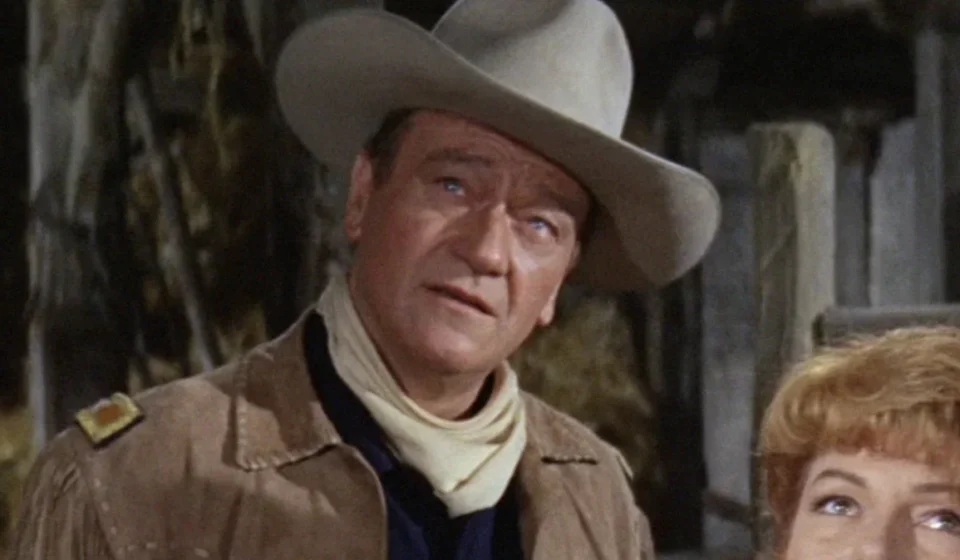

In the vast, sprawling catalog of 20th-century cinema, certain films are destined to become cultural monoliths, while others are relegated to the footnotes of history. Among the latter sits Henry Hathaway’s 1964 drama, Circus World. For decades, this ambitious, star-studded epic has lingered in relative obscurity, often ignored by mainstream audiences and left unexamined by critics. Yet, for John Wayne completists and students of mid-century Hollywood spectacle, it remains a fascinating, if flawed, relic of a bygone era.
Today, as the film finds a new, quiet life on streaming platforms like Prime Video, it invites a modern audience to reconsider its place in the cinematic landscape. Is Circus World truly the "dismal" flop history suggests, or is it merely a misunderstood casualty of a changing industry?
The Main Facts: A Star-Studded Spectacle
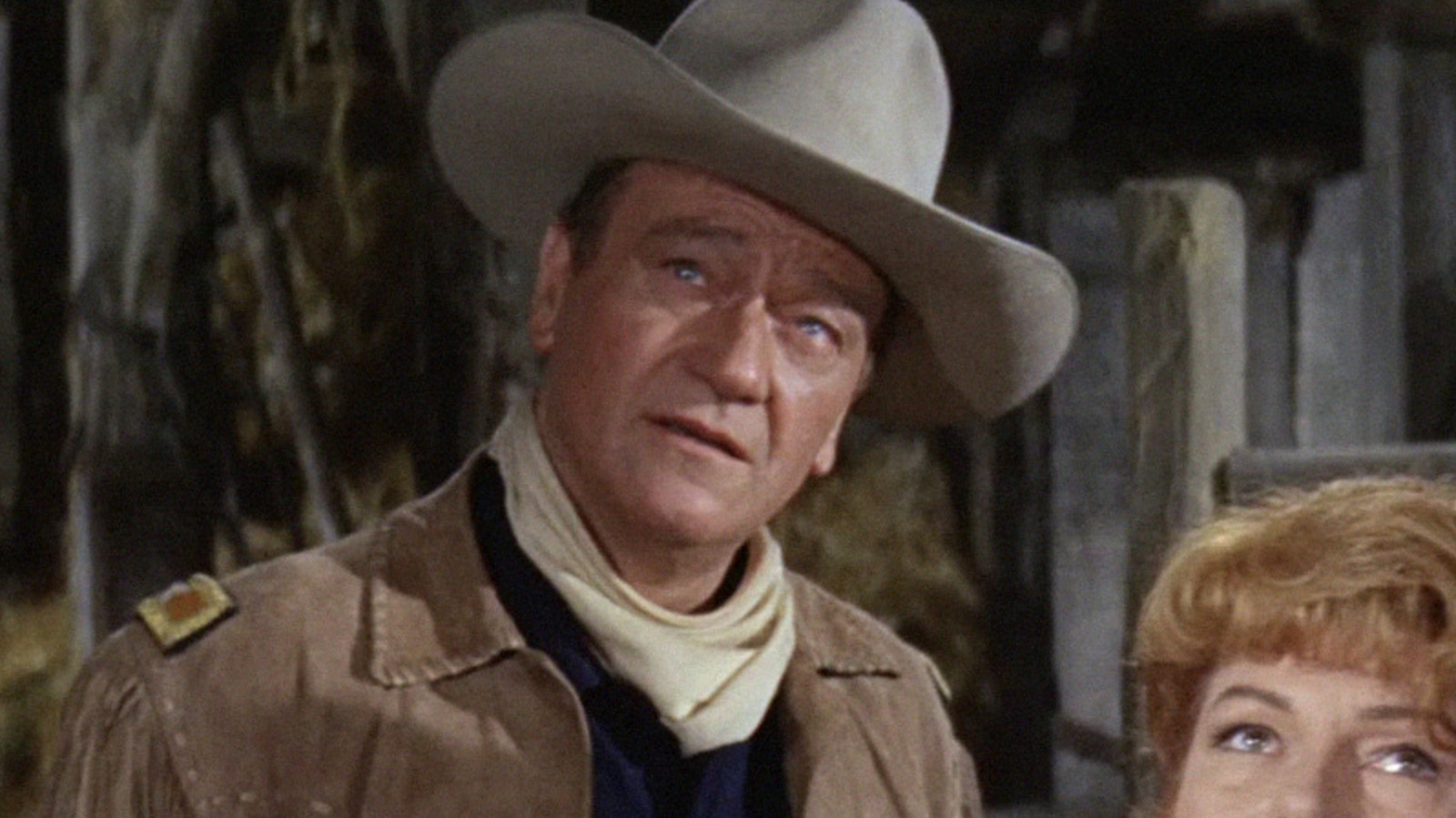
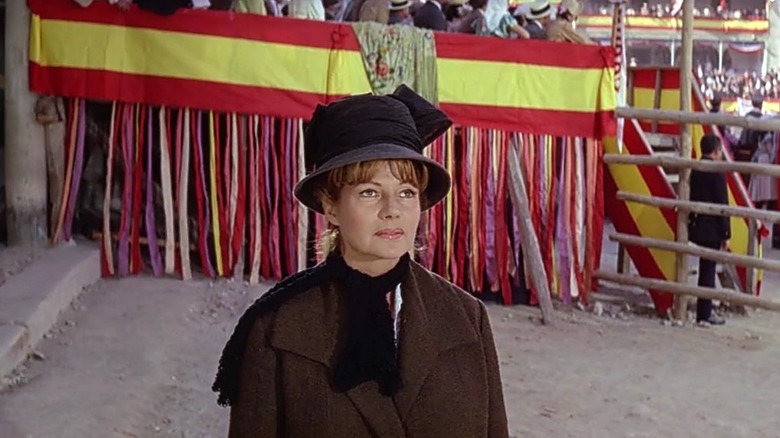
At its core, Circus World is a romantic melodrama framed by the grand, fading tradition of the traveling circus. Directed by Henry Hathaway, the film features an ensemble cast that, by any standard, should have guaranteed a blockbuster result. The legendary John Wayne stars as Matt Masters, a rugged, Buffalo Bill-esque impresario who has salvaged a failing American circus. His co-star is the incomparable Rita Hayworth, portraying Lili Alfredo—a former circus star and Masters’ long-lost love, now grappling with the consequences of her past. Rounding out the primary cast is Claudia Cardinale as Toni Alfredo, the daughter of Masters and Lili, who serves as the film’s emotional catalyst.
The plot is deceptively simple: Masters decides to take his American circus on a European tour. While his stated goal is to rejuvenate the business, his personal motive is a desperate, longing attempt to reunite with Lili and forge a connection with the daughter he left behind. When a catastrophic shipwreck forces the company to rebuild from scratch in Europe, the narrative shifts into a story of resilience, obsession, and the complicated threads of family legacy.
Chronology: The Context of the 1960s Circus Obsession
To understand Circus World, one must understand the era in which it was produced. In the early 1960s, the American public was experiencing a wave of nostalgia for the "golden age" of traveling circuses. This was a time when the Big Top was being rapidly supplanted by the rise of television, cinema, and other modern leisure activities.
Just twelve years prior, Cecil B. DeMille had achieved massive commercial success with The Greatest Show on Earth (1952), a sprawling, bloated, yet undeniably popular film that celebrated the circus institution. Hollywood, ever prone to chasing the ghost of past successes, viewed Circus World as a spiritual successor. Studios hoped to recapture that same magic—or at least the same box-office returns. However, the cultural landscape had shifted significantly between 1952 and 1964. By the time Circus World arrived, the public was less interested in romanticized, sawdust-strewn epics, and the film struggled to find its footing among a more cynical, evolving audience.
Supporting Data: Critical Reception and The Cinerama Controversy
The initial release of Circus World was met with a chorus of disapproval from some of the most influential voices in film criticism. The New York Times, led by the formidable Bosley Crowther, dismissed the film as "dismally trite and obvious." Crowther’s assessment was particularly harsh regarding the film’s technical presentation, noting that its use of Cinerama—a high-end, wide-format projection process—did little to elevate what he viewed as a "pictorially commonplace" story.
Time Magazine offered an even more acidic critique, famously stating that the only real problem with the film was the Cinerama format itself. The reviewer argued that the technology "magnifies a meager tale beyond all reasonable proportions," famously adding that watching the film was akin to "holding an elephant on your lap for two hours and 15 minutes."
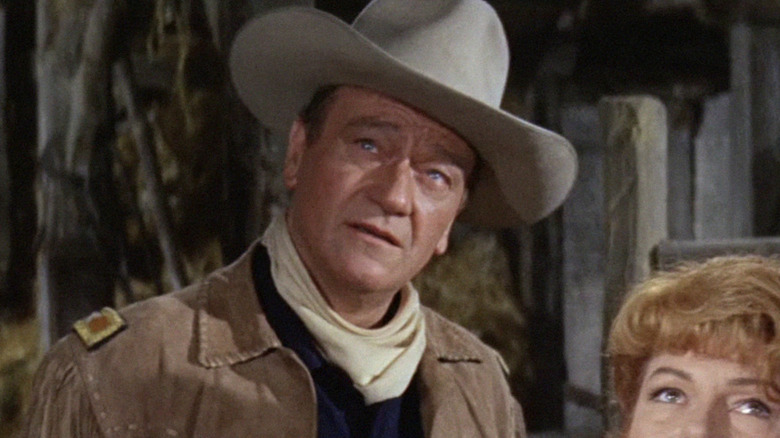
These critiques underscore a fundamental disconnect between the studio’s ambition and the final product. While the producers aimed for a visual feast, critics found the narrative hollow and the spectacle forced. The reliance on the Cinerama format, which was intended to immerse the viewer, ultimately served to highlight the film’s narrative deficiencies, making the "meager tale" feel all the more exposed.
Official Responses and Industry Implications
Despite the critical drubbing and the lukewarm box-office performance, it is important to note that Circus World did not signal the end of the careers of its participants. John Wayne, ever the professional, remained a powerhouse in Hollywood. He transitioned almost immediately from the circus ring to more critically and commercially successful projects, including The Greatest Story Ever Told (1965) and the classic Western The Sons of Katie Elder (1965).
The failure of Circus World serves as a textbook example of the "sequel-chasing" trap that studios often fall into—a practice that remains prevalent today, as seen in the modern film industry’s struggles to replicate the success of the Pirates of the Caribbean franchise with high-budget, high-concept adaptations that often miss the mark.
When a film like The Greatest Show on Earth—which is now frequently cited as one of the weakest Best Picture winners in Oscar history—becomes the gold standard, the danger for future filmmakers is the temptation to emulate its flaws rather than its charms. Circus World attempted to replicate the "bloated" nature of its predecessor, and in doing so, it inherited the same criticisms of being overwrought and emotionally disconnected.
A Reappraisal: Why Watch It Now?
For the modern viewer, Circus World offers a unique viewing experience. Removed from the high-stakes pressure of 1964’s box-office expectations, the film can be viewed as a time capsule. There is an undeniable poignancy in watching stars like Wayne and Hayworth navigate a story about the fading relevance of their own industry.
The film’s central theme—the desperate desire to maintain a tradition in the face of inevitable obsolescence—mirrors the real-life decline of the traveling circus. Just as Matt Masters fights to keep his circus afloat in a changing Europe, the film itself stands as a testament to a dying breed of Hollywood filmmaking. It is a "passionate" epic, not necessarily because it is a masterpiece of writing, but because it represents a massive, earnest effort by some of the industry’s biggest names to capture a vanishing American dream.
Final Thoughts: The Legacy of the Big Top
Circus World may not be a forgotten masterpiece, nor is it a hidden gem waiting to be canonized by the Academy. However, it is an essential watch for those interested in the history of mid-century cinema. It serves as a reminder that even the most star-studded, high-budget projects can stumble when they lose sight of the human stories beneath the spectacle.
As the film continues to stream on Prime Video, it offers a rare opportunity to witness the interplay between icons of the Golden Age of Hollywood. Whether you are a fan of John Wayne’s rugged charisma or curious about the stylistic choices of 1960s epic dramas, Circus World is a fascinating study in ambition, failure, and the enduring, if complicated, legacy of the traveling circus. While it may not have conquered the box office in 1964, it has successfully secured a permanent, if modest, place in the annals of cinema history.