Beyond the Yellowstone Horizon: Why ‘Broken Trail’ Remains the Underrated Masterpiece of Modern Westerns

In the contemporary television landscape, the Western genre has undergone a massive resurgence. Driven by the monolithic success of Taylor Sheridan’s Yellowstone universe, audiences have developed an insatiable appetite for the dust-caked sagas of the American frontier. Yet, long before the Dutton family dominated the cultural conversation, and even before the grit of 1883 or 1923 hit streaming services, there existed a quiet, profound, and impeccably crafted miniseries that captured the essence of the West with unparalleled sincerity.
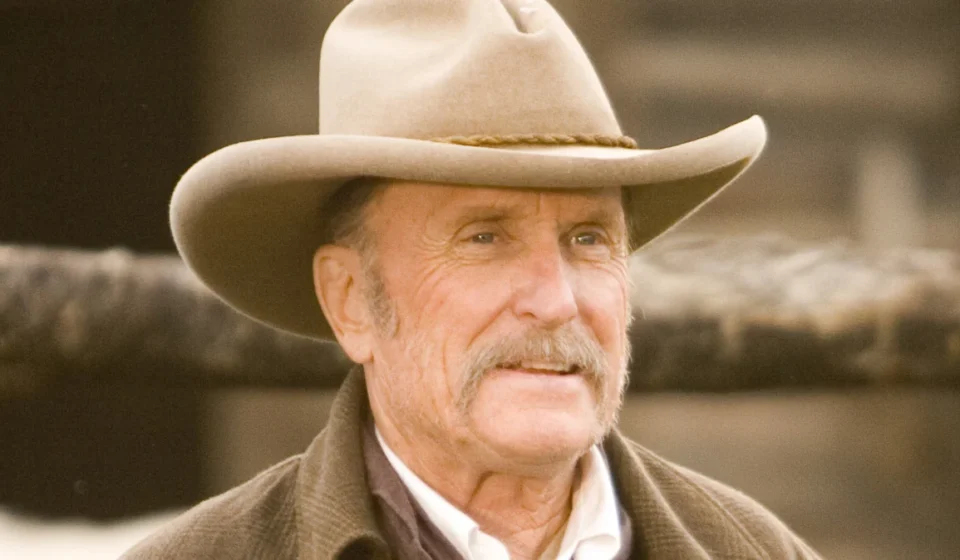
Released in 2006, AMC’s Broken Trail stands as a testament to the enduring power of the classical Western. Directed by the legendary Walter Hill and headlined by the peerless Robert Duvall, the project is a masterclass in character-driven storytelling. While it may lack the operatic, modern-day soap opera theatrics of the Yellowstone franchise, Broken Trail offers something perhaps more valuable: a deeply humanistic, morally grounded narrative that eschews the cynicism of revisionist history in favor of timeless heroism.
The Resurrection of the Frontier: Historical Context
To understand the significance of Broken Trail, one must look at the state of the Western genre at the turn of the millennium. The Western, once the bedrock of American cinema, had suffered through decades of decline. It was widely considered a "dead" genre until the 1989 arrival of Lonesome Dove. Based on Larry McMurtry’s Pulitzer Prize-winning novel, the miniseries acted as a cinematic defibrillator, proving that audiences were still hungry for long-form, epic narratives set against the backdrop of the frontier.
The success of Lonesome Dove opened the floodgates, paving the way for the critical and commercial triumphs of Kevin Costner’s Dances With Wolves and Clint Eastwood’s Unforgiven. These films signaled a shift, moving away from the black-and-white morality of 1950s oaters toward a more complex, nuanced, and often darker exploration of American history. By the early 2000s, the genre was ripe for television. Writers found that the extended format allowed for the kind of character development that a standard two-hour feature simply could not accommodate—a realization that would later define the success of series like Deadwood and Godless.
The Genesis of Broken Trail: A Collaborative Vision
The path to Broken Trail was unconventional. Writer Alan Geoffrian originally conceived the story as a feature film, working closely with Robert Duvall, who was keen to portray a classic Western protagonist. However, the practical realities of the industry intervened. Recognizing that a traditional feature might struggle to find a greenlight in a market skeptical of the genre’s commercial viability, the team pivoted toward the miniseries format.
This shift proved to be a stroke of genius. By embracing the longer runtime, the production allowed for a level of texture and pacing that felt expansive rather than rushed. Walter Hill, a director known for his lean, action-oriented films, found himself in the director’s chair. Hill, a self-described "oater auteur" with an affinity for Westerns like The Long Riders and Geronimo: An American Legend, brought his signature "character-defined-through-action" philosophy to the project. He stripped away unnecessary exposition, allowing the landscape and the deeds of the men inhabiting it to define the narrative.
The Narrative Arc: From China to the American West
The plot of Broken Trail is deceptively simple, echoing the structure of classic morality plays. The story opens in China, establishing a harrowing prologue where five young women are kidnapped and sold into sexual slavery, destined for the brothels of San Francisco and beyond. This framing device immediately raises the stakes, grounding the narrative in the harsh realities of human trafficking and immigrant exploitation during the 19th century.
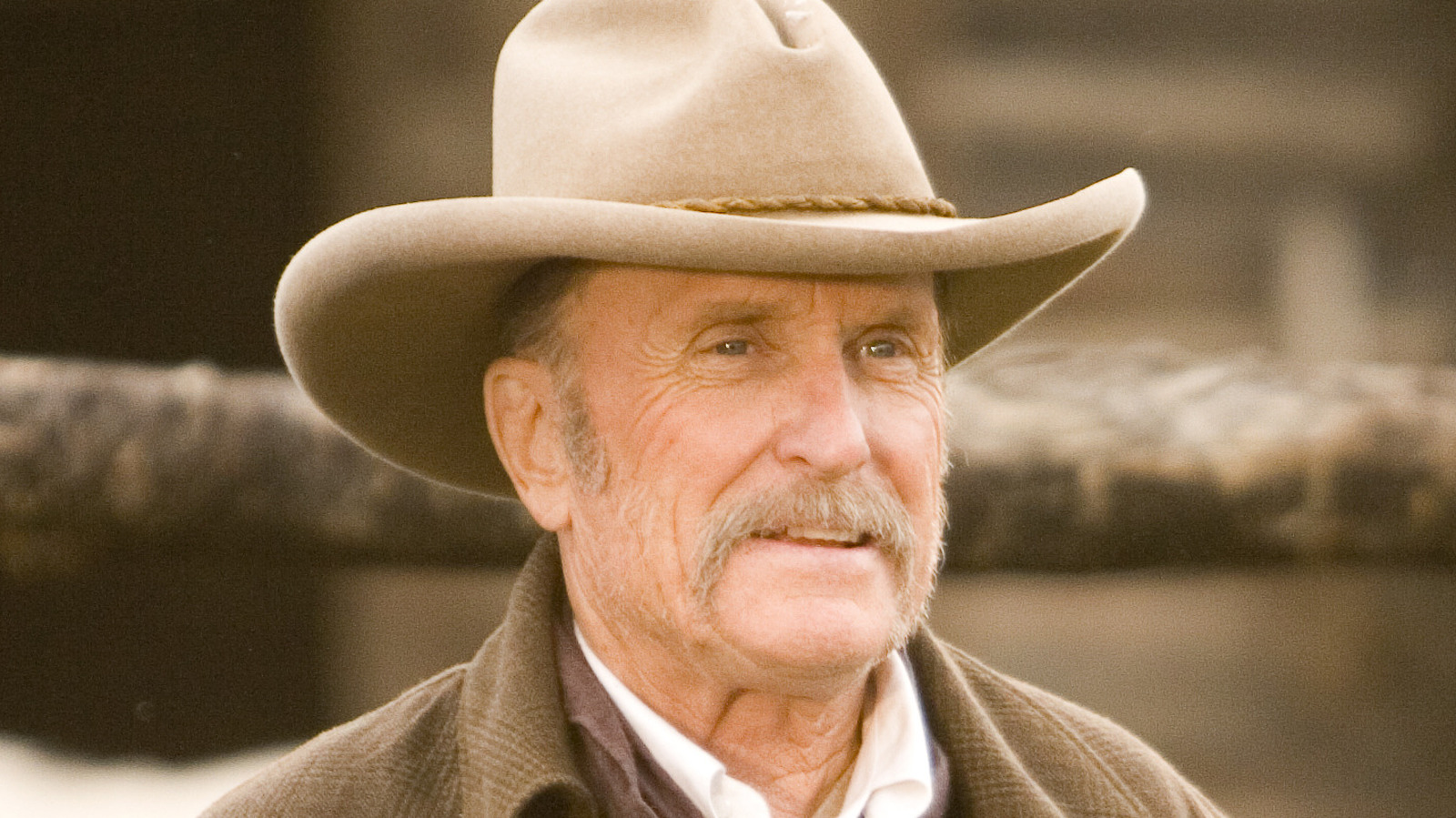
The protagonists, Prent Ritter (Duvall) and his nephew Tom Harte (Thomas Haden Church), are archetypal figures of the West. They are men of few words, driven by duty and a rigid internal moral code. When their paths intersect with the enslaved women, the story shifts from a straightforward horse-drive tale into a rescue mission of epic proportions.
After a confrontation with the cruel handlers who intended to deliver the women to a brothel owner known as "Big Rump" (Rusty Schwimmer), Ritter and Harte choose the harder path. They defy the criminal element and take responsibility for the women’s safety. This decision turns them into hunted men, pursued by a ruthless hired killer. Throughout the journey, the film explores the clash of cultures and the necessity of empathy in a lawless land.
Supporting Data: Production and Critical Reception
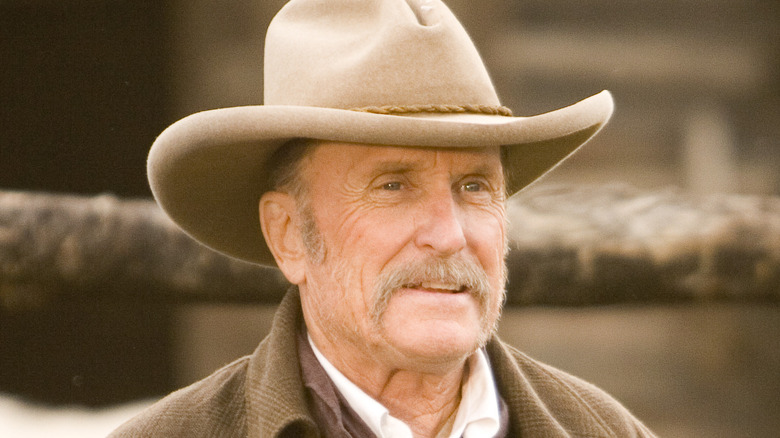
Broken Trail did more than just tell a compelling story; it served as a masterclass in production values for television. The casting was inspired: Robert Duvall, a titan of acting, brought an effortless gravitas to Prent Ritter, while Thomas Haden Church provided the perfect foil as the pragmatic, yet fiercely loyal, Tom Harte.
Critics at the time noted the "humanistic" approach taken by the filmmakers. Unlike the revisionist Westerns that often dwell on the inherent corruption of the frontier, Broken Trail opted for a "tough-and-tender" aesthetic. It performed remarkably well in the ratings, proving that a traditional Western, when executed with high-quality production and a strong script, could still command a massive audience. It served as a bridge between the classic era of John Wayne and the modern, gritty realism popularized by shows like Yellowstone.
Official Perspectives and Behind-the-Scenes Insights
Walter Hill’s involvement is often cited by film scholars as the primary reason for the miniseries’ success. Hill is famously averse to films exceeding the two-hour mark, but he made an exception for Broken Trail. In various retrospective interviews, he has highlighted the "Rio Bravo factor"—the idea that sometimes, audiences yearn for a story where the heroes are rewarded for doing the right thing, regardless of how inconvenient or dangerous that may be.
The collaboration between Hill and Geoffrian resulted in a script that felt authentic to the period while remaining accessible to a modern audience. By choosing to shoot the miniseries with an epic, cinematic scope, the crew ensured that it did not feel like a "made-for-TV" compromise. Every frame, from the sprawling vistas of the horse drive to the tense, claustrophobic encounters in the towns, feels earned.
Implications for Modern Western Fans
Why does Broken Trail deserve more attention today? For fans of the Yellowstone universe, it offers a look at the "platonic ideal" of the movie cowboy. While Yellowstone focuses on the internal decay and legacy of a powerful dynasty, Broken Trail focuses on the individual’s capacity for righteousness in a world devoid of institutional support.
In an era where "grimdark" storytelling has become the default for many genre pieces, the moral clarity of Broken Trail feels almost radical. It does not shy away from violence, nor does it ignore the historical atrocities of the period, but it centers on the idea that an individual’s choices matter. It is a film about the burden of responsibility and the quiet dignity of standing up for those who cannot stand up for themselves.
Conclusion: A Timeless Legacy
As we look back at the landscape of Western television, Broken Trail remains a shining outlier. It is a bridge between generations—the project that helped sustain the genre during a period of uncertainty, providing a template that future creators would follow.
Whether you are a newcomer to the Western genre or a die-hard fan of the Dutton clan, Broken Trail offers a unique experience. It is a story of five immigrant women, two honorable cowboys, and the treacherous road to redemption. In a world that is often complicated, chaotic, and morally ambiguous, there is a profound, lingering satisfaction in watching a film where the heroes—flawed as they may be—ultimately choose to do the right thing. It is, quite simply, a classic of the genre that deserves to be rediscovered by a new generation of viewers.