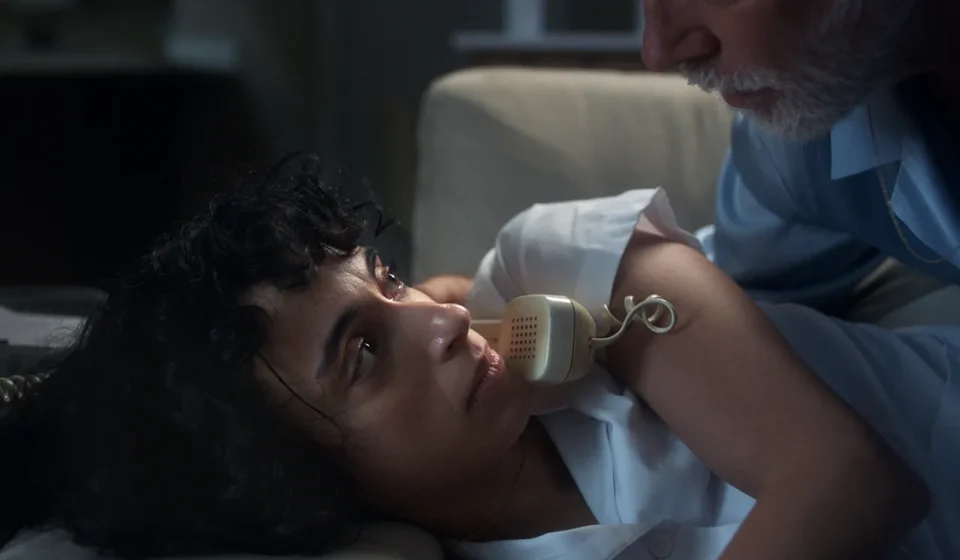

In the landscape of modern independent cinema, few films manage to capture the claustrophobic, humid, and morally ambiguous texture of the American suburbs with the precision of Georgia Bernstein’s Night Nurse (2026). Premiering to significant buzz at the Sundance Film Festival’s NEXT competition, the film stands as a deliberate rejection of the "safe" narrative choices that often define major festival circuits. Instead, Bernstein delivers a work of high-concept, low-fi psychosexuality that feels like a fever dream unfolding in the memory-care unit of a stagnant retirement home.
The Premise: A Transgressive Partnership
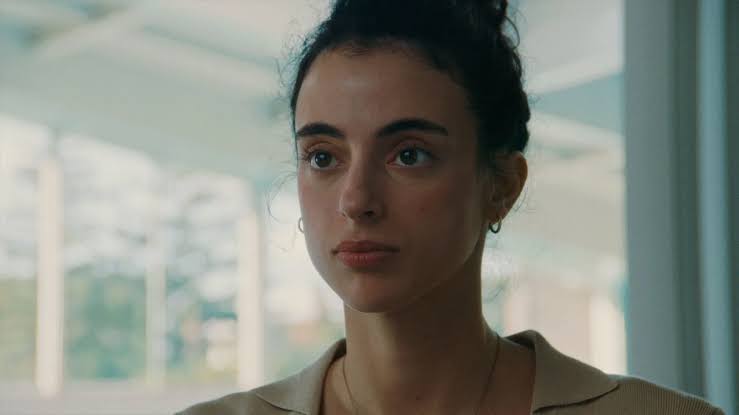
Night Nurse centers on Eleni (Cemre Paksoy), a novice nurse beginning her overnight shifts in a facility for patients with early-onset Alzheimer’s. Her path crosses with Douglas (Bruce McKenzie), a patient whose vulnerability is merely a facade for a sharper, more predatory intelligence. The two enter into a symbiotic, albeit deeply twisted, arrangement: they begin conducting phone scams, with Eleni masquerading as a distressed granddaughter to extract funds from the elderly.
The film is not merely a crime drama; it is an exploration of the intoxicating nature of being needed. As Bernstein noted during her interview with Filmmaker Magazine, the core question driving the film is, "It’s amazing to be needed, isn’t it?" The film follows this instinct into the abyss, examining the sexual and psychological thrills that arise when two people find purpose in the exploitation of others.
Chronology of Production and Development
The gestation of Night Nurse was as unconventional as the film’s narrative. Following her work as a producer on Alex Phillips’ Anything That Moves (2025), Bernstein found an unlikely path to production through an academic setting. Her producer, Eddie Linker, suggested using the Night Nurse script as the primary case study for a course at Northwestern University.
Together with producers Veronica Barbosa and Liane Cunje, Bernstein turned the classroom into a functional pre-production office. Students were tasked with the nuts and bolts of filmmaking—forming an LLC, budgeting, and navigating tax credits—effectively turning the pedagogical process into the backbone of the film’s physical production.
The shooting process was equally insular. Eschewing traditional studio sets, Bernstein filmed almost the entirety of the project in her grandmother’s house. This decision was both practical and thematic; by mapping the script to the specific rooms of the home, the film adopts a disorienting, timeless quality. The wallpaper feels trapped in the 1970s, yet the inclusion of modern-adjacent technology creates a "no-place" that mirrors the psychological limbo of its characters.
Technical Precision: The Aesthetic of the Dolly
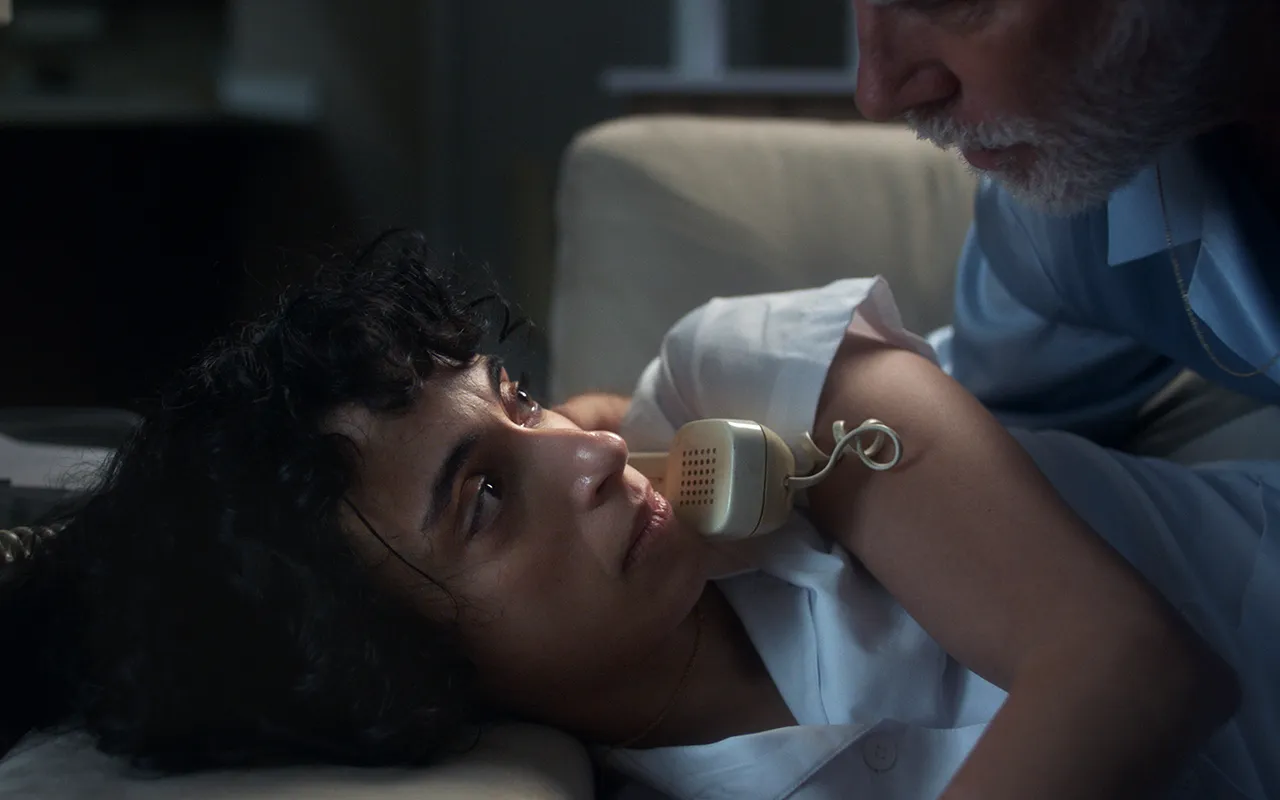
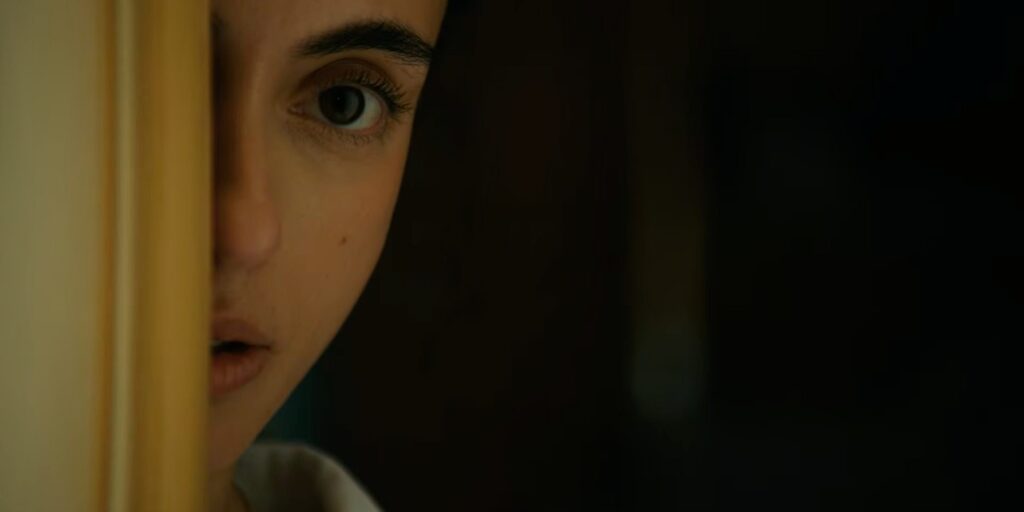
A defining feature of Night Nurse is its deliberate rejection of modern, fluid camera work. Bernstein insisted on using a dolly rather than a Steadicam, seeking the specific, weighted "ga-dunk" rhythm of the tracks. This stylistic choice was designed to force a slow, almost suffocating pace upon the audience.
"I didn’t want to shoot like a low-budget film; I wanted to shoot like Fassbinder," Bernstein remarked. The camera work, orchestrated by cinematographer Lidia Nikonova, serves to elevate the small-scale setting into something mythic. By choreographing scenes to occur in specific, tight spaces, the film mimics the circular, repetitive nature of the retirement home lifestyle—where patients are walked around pool decks in endless loops, and the days bleed into nights.
Supporting Data and Influences: The Ballardian Connection
While many critics have drawn parallels between Night Nurse and the works of David Cronenberg—specifically the cold, industrial eroticism of Crash (1996)—Bernstein points toward a more atmospheric, literary lineage. The film feels deeply "Ballardian," reminiscent of J.G. Ballard’s Cocaine Nights, which explores the dark, cultish undercurrents of isolated retirement communities.
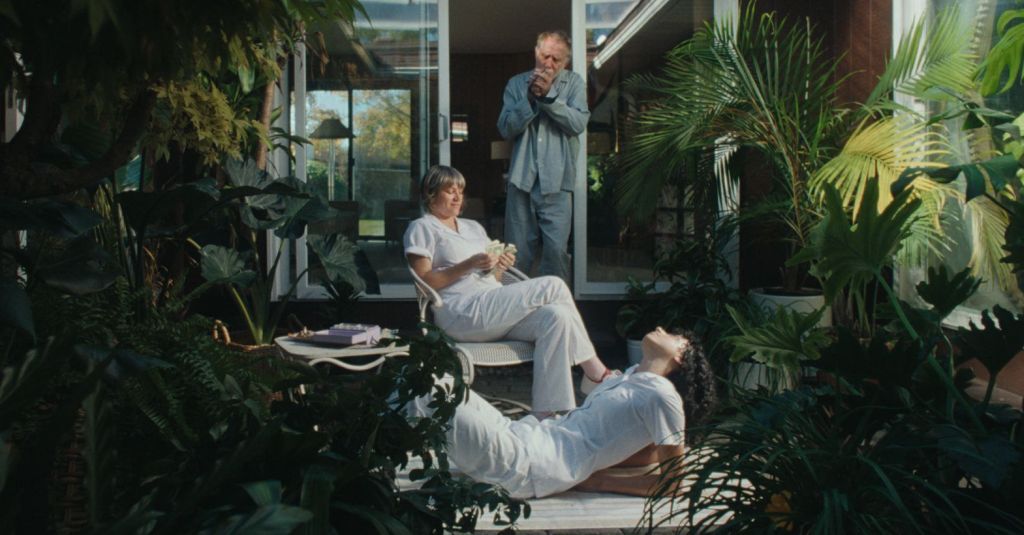
Bernstein’s influences are diverse, drawing from the "nurseploitation" genre of the 1970s, the contained suburban malaise of Atom Egoyan’s The Adjuster, and the emotional, humid perspective of Lucrecia Martel. By synthesizing these disparate influences, Bernstein creates a "sister film" to recent works like Lucy Kerr’s Family Portrait, sharing an emphasis on the "gaze" and the shifting, mutable psychological states of its inhabitants.
Official Responses and Creative Intent
In her discussion regarding the film’s moral ambiguity, Bernstein explicitly cites the influence of Catherine Breillat. Where Breillat often focused on the inherent power dynamics between younger women and older men, Bernstein attempts to subvert this trope by introducing the layer of dementia and the "caregiver" dynamic.
"Who’s taking care of who? Who has the power?" Bernstein asks. By refusing to paint either Eleni or Douglas as a hero or villain, the film maintains a persistent, uncomfortable ambiguity. This is further supported by a score composed by Steven B. Jackson and Samm Clapp, who utilized live musicians to create a looping, circular theme that mirrors the characters’ inability to escape their self-imposed traps.
Implications: A New Wave of Suburbia
The release of Night Nurse via IFC on July 10 marks a significant moment for the "Chicago School" of independent filmmaking. By utilizing a local network of collaborators—ranging from the actors chosen for their specific, "whimsical" qualities to a production team built on long-term professional relationships—Bernstein has demonstrated a sustainable model for auteurist filmmaking.
The film’s success at Sundance and its impending wide release suggest a growing appetite for stories that delve into the grotesque side of the mundane. By taking the "safe" environment of a retirement community and transforming it into a site of psychosexual intrigue and financial predation, Night Nurse challenges the audience to look closer at the institutions we build to care for our aging population, and the dark, human impulses that thrive within those quiet, carpeted walls.
The Power of the "First Feature"
For an debut feature, the level of confidence displayed in Night Nurse is rare. Bernstein’s ability to recruit a high-caliber cast—including the unexpected, nuanced performance of Bruce McKenzie, whom she cast after a rigorous search to find an "older man that doesn’t exist anymore"—underscores a director who understands that character is the ultimate anchor for style.
As the industry looks toward the next generation of filmmakers, Night Nurse serves as a case study in how to leverage limitations. By shooting in a grandmother’s house, utilizing local tax credits, and leaning into the "bleakness" of the Chicago suburbs, Bernstein has crafted a film that feels far larger than its budget would suggest.
Conclusion: Beyond the Scam
Ultimately, Night Nurse is not about the phone scams or the monetary gain; it is about the desperate, human need for connection, no matter how toxic or transactional that connection might be. As Mona (Eléonore Hendricks) remarks in the film, "You gave him purpose. You helped him." This chilling justification for their crimes encapsulates the film’s central thesis: that in a world of numbing, sterile care, even a fraudulent relationship can feel like a lifeline.
Georgia Bernstein has arrived as a filmmaker of singular vision. By refusing to provide the audience with a moral compass, she leaves us to wander the hallways of her grandmother’s house, listening to the ga-dunk of the dolly, waiting for a resolution that we know, deep down, will never come. Night Nurse is a haunting, deliberate, and deeply effective piece of cinema that will likely remain a touchstone for atmospheric, character-driven horror for years to come.