The Sasquatch Cinematic Universe Expands: Why "Wildman" Is the Action-Horror Hybrid We Didn’t Know We Needed

In an industry currently dominated by franchise fatigue and a perpetual search for the next "high-concept" hit, the most effective marketing tool remains the evocative elevator pitch. Sometimes, all it takes to greenlight a project is a succinct, genre-bending comparison that instantly captures the public imagination. Enter Wildman, a newly acquired script by Badlands that is already generating significant buzz within the industry. Its premise is deceptively simple and undeniably magnetic: John Wick meets Bigfoot.
This project, penned by screenwriter Jacob Reiner, has officially moved from the pages of a spec script to active development, signaling a bold new direction for creature features. While the cryptid genre is storied and vast, Wildman promises to pivot away from the traditional "found footage" or "slasher" tropes, opting instead for a visceral, revenge-fueled action spectacle.
The Genesis of a Beast: Main Facts and Premise
The project was brought to the attention of Badlands through the prestigious Blood and Ink horror screenwriting contest, founded by industry tastemaker Carson Reeves. Reeves, who recognized the potential for a breakout hit in Reiner’s manuscript, is attached to serve as an executive producer on the film.
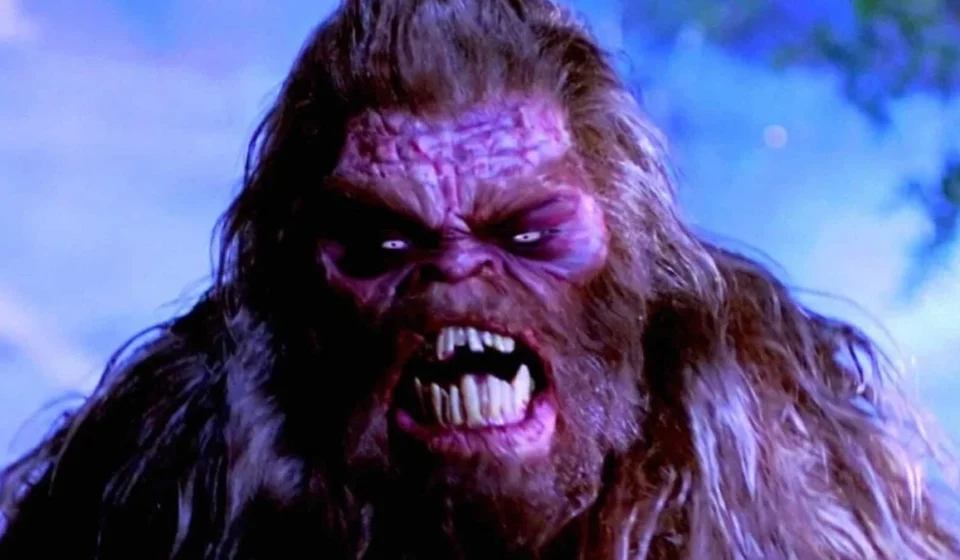
At its core, Wildman strips away the mystery surrounding the Sasquatch and replaces it with a singular, driving motivation: grief. The official synopsis reveals a narrative that feels both primal and Shakespearean: "When his little brother is killed by hunters, Bigfoot goes on a quest to retrieve the body while killing everyone responsible along the way."
By positioning the legendary forest dweller as an anti-hero rather than a mere antagonist, the film taps into the "revered monster" archetype seen in classics like King Kong, but injects it with the kinetic, tactical, and uncompromising violence that turned the John Wick franchise into a global phenomenon. It is not a film about humans hunting a monster; it is a film about a monster hunting humans.
A Chronology of the Cryptid Craze
To understand why Wildman is arriving at the perfect moment, one must look at the historical trajectory of the Bigfoot film. For decades, the Sasquatch was a staple of low-budget B-movies, often relegated to grainy footage and ambiguous shadows.
- The Found Footage Era (1970s–2010s): The genre saw its first major mainstream legitimacy with the 1972 cult classic The Legend of Boggy Creek. This documentary-style approach set a template for decades. Films like Willow Creek (2013) refined this style, focusing on the creeping dread of the unknown.
- The Shift to Direct Confrontation: As audiences grew tired of "monster in the trees" tropes, filmmakers began to experiment with more direct encounters. Movies like the 2006 film Abominable pushed the creature into the realm of traditional creature features, focusing on physical confrontation and practical effects.
- The Modern Action-Horror Hybrid: We are currently in an era where genre boundaries are increasingly blurred. With the success of films like Cocaine Bear and the John Wick franchise, audiences have signaled an appetite for "elevated exploitation"—films that possess high production values and serious stakes while embracing ridiculous, high-octane premises. Wildman stands as the current apex of this evolution.
Supporting Data: Why "John Wick" Works as a Blueprint
The "John Wick meets X" formula has become a shorthand for high-intensity, efficient storytelling. The John Wick franchise, directed by Chad Stahelski, succeeded because it stripped away unnecessary exposition to focus on a "legendary" character operating under a strict internal code of ethics.
By applying this template to a Bigfoot narrative, Wildman solves several perennial problems of the creature feature:
- Motivation: The "Bigfoot as a misunderstood animal" trope often leaves audiences wanting more engagement. By giving the creature a concrete goal (the retrieval of a loved one), the audience has a clear reason to root for the protagonist.
- Pacing: John Wick is famous for its relentless forward momentum. A "revenge quest" narrative ensures that the film avoids the slow, "will-they-won’t-they" build-up that plagues many horror movies, instead opting for a series of escalating encounters.
- Mythology: The John Wick films are beloved for their "world-building"—the Continental, the gold coins, the secret society. Wildman has the opportunity to build a unique "cryptid society" or lore that makes the creature feel like a character with a history, rather than a mindless beast.
Official Responses and Industry Outlook
While Badlands has kept the specific production timeline and casting details under wraps, the industry reaction to the acquisition has been overwhelmingly positive. The decision to pick up the script through a competition like Blood and Ink highlights a growing trend among production houses: looking beyond traditional studio submissions to find "raw" scripts that possess an inherent, viral quality.

Carson Reeves, in his capacity as the contest organizer and now executive producer, has long championed the idea that horror and action fans are looking for something "new" in a crowded marketplace. The acquisition of Wildman suggests that Badlands is looking to establish itself as a premier destination for high-concept, genre-bending cinema.
Before the cameras roll on Wildman, Badlands is preparing for the release of Crawlers, a spider-invasion feature starring Matilda Lutz (Revenge). This upcoming October 16th release will serve as a bellwether for the company’s ability to handle intense, creature-centric action. If Crawlers succeeds, it will provide the institutional momentum necessary to push Wildman into an accelerated production cycle.
Implications for the Future of Creature Features
The greenlighting of Wildman has significant implications for the horror and action genres. First, it validates the "high-concept" script market. For years, screenwriters were told to avoid "ridiculous" premises, but the success of John Wick-esque narratives proves that audiences are hungry for bold, imaginative storytelling.
Second, it suggests a shift in how we view the "monster." If Wildman proves to be a critical and commercial success, we can expect a wave of "creature-led" narratives where the beast acts as the primary driver of the plot, rather than the antagonist. This offers a refreshing change of pace from the tired "human survivors trapped in a cabin" formula.
Finally, the success of this project could lead to a broader cinematic universe. If the folklore-driven approach of Wildman resonates with viewers, there is significant potential for sequels, spin-offs, or even a shared universe involving other cryptids. Imagine a world where the "John Wick" treatment is applied to the Chupacabra, the Mothman, or the Jersey Devil.
Conclusion: A Monster-Sized Potential
The allure of Wildman lies in its simplicity. It is an unapologetic, high-concept project that understands exactly what its audience wants: a legendary creature, a clear motivation, and the promise of visceral, top-tier action.
In an era where the box office is often a gamble, Wildman feels like a calculated, confident play. It isn’t trying to reinvent the wheel; it is trying to strap a rocket to it. As the project moves into pre-production, the industry will be watching closely to see if the "John Wick meets Bigfoot" promise can be delivered on screen. If the execution matches the ambition, Wildman is poised to become not just another entry in the Bigfoot canon, but a modern cult classic that redefines the intersection of horror and action.
For now, the audience is left with the tantalizing premise and the anticipation of seeing the "Wildman" himself unleash his vengeance. If the past success of revenge-thrillers and creature features is any indication, this is a hunt that we will all want to be a part of.