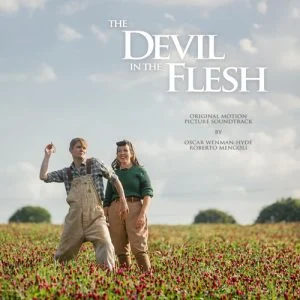
Harmonizing History and Passion: The Cinematic Soundscape of The Devil in the Flesh

The release of a motion picture is often viewed through the prism of its visual narrative, yet the emotional resonance of a film is frequently anchored by its auditory landscape. The recent arrival of the original soundtrack for the British romantic period drama The Devil in the Flesh offers a compelling case study in collaborative artistry. Composed by Oscar Wenman-Hyde—known for his work on Cycles and Melodrive—in partnership with director Roberto Mengoli and musician Sam Gifford, the soundtrack serves as the atmospheric heartbeat of a story that navigates the turbulent intersection of wartime duty and illicit passion.
The Genesis of a Period Piece
Directed and written by Oscar Wenman-Hyde, The Devil in the Flesh is a bold adaptation of the 1923 novel of the same name by Raymond Radiguet. While the original source material was deeply rooted in the post-World War I era, this cinematic iteration shifts the narrative focus to the harrowing backdrop of World War II.
The story follows an older woman whose life is upended when her husband is conscripted into military service. Seeking purpose, she joins the Women’s Land Army, a pivotal moment that leads her into a scandalous and all-consuming love affair with a teenager. The film features an ensemble cast, including Elizabeth Grace, Henry Fisk, Nicola Wright, Andrew Rolfe, Alina Tamara, Charlie Bentley, and LaToya Harding, all of whom bring a nuanced gravity to a plot defined by moral ambiguity and romantic obsession.
Following its VOD release last month, the film has drawn attention for its stylistic choices and its deliberate pacing, qualities that are reflected in the evocative, minimalist nature of the soundtrack.
A Collaborative Sonic Tapestry
The soundtrack, now available on Amazon and other major digital streaming platforms, is a testament to the cross-pollination of creative disciplines. Oscar Wenman-Hyde, who steered the production as both helmsman and composer, worked in close tandem with Roberto Mengoli and Sam Gifford to ensure the music felt tethered to the film’s mid-century setting while retaining a contemporary emotional urgency.
The collaboration was not merely a functional requirement but an essential creative pillar. Mengoli, having directed the project, provided an intimate understanding of the film’s tonal shifts—moving from the isolation of the Land Army to the heat of the central affair. By integrating his own musical sensibilities into the score, Mengoli ensured that the auditory experience mirrored the psychological complexity of the characters.
The Track List
The soundtrack is comprised of ten tracks, ranging from haunting instrumentals to more lyrical compositions that define the film’s narrative arcs:
- Tomorrow (5:27)
- Mr Genius (2:24)
- Solitude (1:17)
- An Honest Truth (3:05)
- Where Love Grows (2:58)
- An Honest Truth (Alternate) – Oscar Wenman-Hyde & Roberto Mengoli (3:39)
- Cushion (3:17)
- Cushion (Instrumental) – Oscar Wenman-Hyde & Roberto Mengoli (1:17)
- Roads (2:18)
- Miracle (feat. Claudia Longo) (5:49)
The inclusion of alternate versions and instrumental variations, such as the "An Honest Truth" and "Cushion" tracks, suggests a deliberate effort to explore different shades of the same emotional landscape—a technique that mirrors the protagonist’s internal struggle between societal expectations and personal desire.
Chronology of Production and Release
The development of The Devil in the Flesh has been a multi-year endeavor. Transitioning a classic literary text to a WWII-era setting required meticulous attention to historical detail, not only in costume and set design but also in the sonic world-building.
- Pre-Production: Wenman-Hyde finalized the script, focusing on the internal conflict of the lead female character. The casting process prioritized chemistry to ensure the central affair felt believable against the backdrop of war-torn Britain.
- Production: Principal photography captured the rugged, rural landscapes of the Land Army sites. During this period, early musical sketches were developed by Wenman-Hyde and Gifford to assist in defining the film’s "mood" on set.
- Post-Production: The integration of the score occurred during the final edit. It was during this phase that Roberto Mengoli took a more active role in the composition process, refining the interplay between the dialogue and the score.
- VOD Release: The film premiered on VOD platforms last month, meeting with a quiet but appreciative reception from audiences interested in period dramas.
- Soundtrack Release: The digital soundtrack album serves as the final component of the film’s release strategy, allowing viewers to engage with the thematic motifs of the movie independently of the visuals.
Supporting Data and Creative Vision
The film’s reliance on the source material by Raymond Radiguet is a bold creative choice. Radiguet’s novel was controversial for its time, challenging societal norms regarding age gaps and infidelity. In adapting this for a 2026 audience, Wenman-Hyde opted for a visual language that prioritizes the "rapturous" nature of the affair.
Musically, this is supported by the composition of tracks like "Miracle," which features the ethereal vocals of Claudia Longo. The track’s 5:49 duration makes it the longest piece on the album, serving as a climactic anchor for the film’s emotional resolution. The use of "Tomorrow" as the lead single—and its prominent placement in the film’s marketing materials—indicates a strategy to use the music as a gateway to attract viewers who might be drawn to the film’s romantic and period-specific aesthetics.
Official Perspectives and Behind-the-Scenes Insights
While specific quotes from the production team remain limited, the collaboration between Wenman-Hyde and Mengoli is described by industry insiders as a "deeply integrated creative process." By involving the director in the composition of the music, the production ensured that the score was not an afterthought but a central character in the film.
Sam Gifford’s contribution provided the necessary technical scaffolding to translate Wenman-Hyde’s vision into a cohesive digital experience. The use of varied instrumentation—from sparse, piano-driven melodies in "Solitude" to the more complex arrangements in "Miracle"—reflects a desire to mirror the shifting tides of the war and the character’s volatile internal state.
Implications for Modern Period Dramas
The release of The Devil in the Flesh and its accompanying soundtrack highlights a growing trend in independent filmmaking: the "auteur-musician" model. When the writer, director, and composer are aligned so closely, the resulting product often possesses a unique, singular voice that differentiates it from more traditional, studio-led productions.
Furthermore, the film’s choice to modernize a classic novel provides a template for future adaptations. By shifting the timeline to the Second World War, Wenman-Hyde taps into a collective historical trauma that amplifies the urgency of the characters’ romantic choices. It poses the question: In the face of global catastrophe, is a selfish, private love an act of defiance or an act of cowardice? The music, particularly in the somber tones of "Roads" and the reflective "An Honest Truth," attempts to answer this through emotion rather than exposition.
As digital distribution continues to democratize access to niche period dramas, the ability of a soundtrack to sustain interest in a film long after its initial VOD release becomes increasingly vital. The Devil in the Flesh succeeds not just as a narrative, but as an aesthetic experience. For those who have engaged with the film, the soundtrack offers a chance to revisit the emotional turmoil of its characters, providing a lasting connection to a story that, while rooted in the past, feels distinctly resonant today.
The album is currently available for streaming and download on Amazon and other major digital music services, marking a significant milestone for Wenman-Hyde’s growing portfolio and cementing the film’s place in the current landscape of British independent cinema.