Cinematic Triumphs and Royal Shadows: Reflections from the 54th Norwegian International Film Festival Haugesund

The 54th edition of the Norwegian International Film Festival Haugesund concluded its run this week, marking a poignant chapter in the event’s storied history. While the festival celebrated the pinnacle of global and Nordic filmmaking, the proceedings were underscored by a sobering reality: the deteriorating health of King Harald V of Norway. Despite the somber atmosphere, the festival maintained its status as a vital hub for industry collaboration, artistic innovation, and the celebration of the moving image.
As the curtains fell on this year’s festivities, a diverse slate of films took home top honors, reflecting the festival’s commitment to both high-octane narrative cinema and introspective, character-driven storytelling.
Main Facts: A Diverse Winners’ Circle
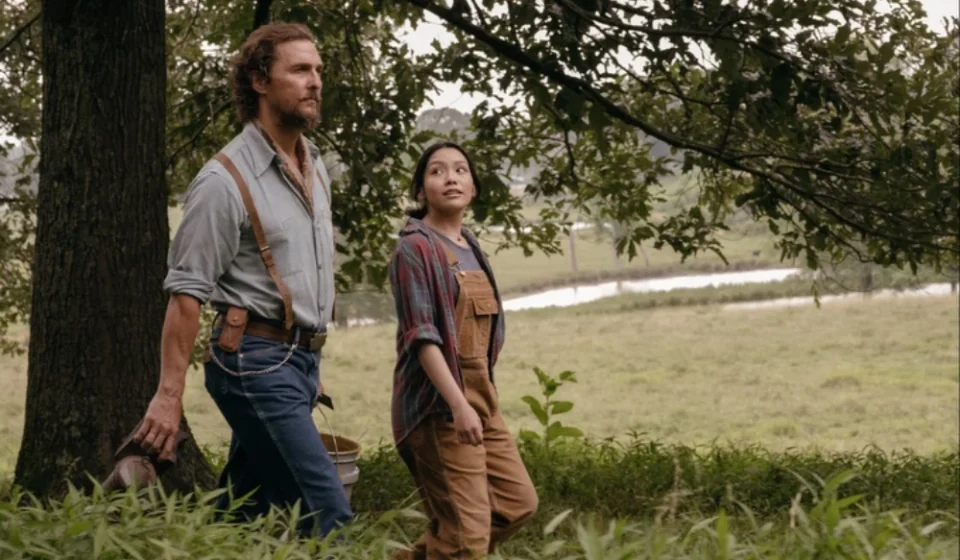
The festival’s major accolades highlighted a bridge between Hollywood star power and independent, visionary storytelling. The "Ray of Sunshine Award," a unique honor bestowed upon the film that most effectively injects joy into the viewing experience, was awarded to Andrew Patterson’s The Rivals of Amziah King. The film, headlined by Matthew McConaughey, resonated deeply with jurors who praised its blend of humor, poetic beauty, and existential poignancy.
Simultaneously, the Audience Award went to Anthony Maras’s WWII drama, Pressure. Starring Andrew Scott and Brendan Fraser, the film depicts the nerve-wracking lead-up to the Normandy landings, focusing on the historical figure of Group Captain James Stagg, the meteorologist tasked with predicting the weather for D-Day.
The Norwegian Critics’ Award, a prestigious accolade reflecting the local intellectual pulse, was handed to Itonje Søimer Guttormsen’s Butterfly, featuring a standout performance by Renate Reinsve. The film was lauded for its striking visual language and its deep, humanistic exploration of landscape and relationship dynamics.
Chronology of a Resilient Festival
The 54th edition began under a cloud of uncertainty. With the Crown Prince serving as the festival’s High Protector, the news of King Harald’s health crisis cast a long shadow over the opening ceremonies. Festival and Program Director Tonje Hardersen addressed the situation directly, expressing the organization’s "deepest sympathy" for the Royal Family.
Throughout the week, the festival balanced its official duties with the somber reality of the nation’s state. The screenings continued as scheduled, acting as both a distraction and a meditation on the fragility of life—a theme that seemed to permeate the jury statements for several of the winning films.
As the festival progressed, the focus shifted toward the industry-centric "Nordic Co-Production Market." This segment allowed for the unveiling of future projects, most notably Grandmonster, which captured the Best Pitch Award. The final days were defined by panel discussions, networking sessions, and the spotlighting of emerging talent through the Next Nordic Generation and Midpoint Talent awards.
Supporting Data and The Power of Pitching
Beyond the finished features, the festival serves as a critical incubator for future cinema. The "Best Pitch Award" winner, Grandmonster, directed by Vegard Dahle and produced by Jon Vatne for Syden Pictures, was a clear standout. The project—a high-concept genre piece about a zombie outbreak in a nursing home triggered by an attempt to treat dementia—demonstrated that even the most irreverent topics can find a home in the serious business of film financing.
Jurors Annick Mahnert, Soňa Morgenthalová, Iris Cadoux, and Kalle Løchen were unanimous in their praise, noting that the pitch succeeded because it dared to combine "cheeky humor, horror, and zombies with dentures." The success of Grandmonster serves as a data point for the growing appetite for genre-bending Nordic content that can bridge cultural and linguistic gaps.
Other notable industry recognitions included:

- Midpoint Talent Award: Elisa Kujala for Elektra, a psychological drama-thriller.
- Storyline Production Award: Anathema, directed by Ea Johanne Sandberg and Alpha Nord.
- Next Nordic Generation Award: Groupies, by Clara Vida (Norwegian Film School).
Official Responses and Creative Perspectives
The discourse surrounding this year’s festival was as much about the process as the product. Renate Reinsve, discussing her role in Butterfly, noted the unique, documentary-like atmosphere of the production. "I love filmmakers who try to challenge the established," Reinsve remarked in her interview with Variety. She highlighted the director’s use of non-professional actors, which she credited with giving the film its grounded, authentic heartbeat.
The team behind Grandmonster offered a humorous take on the contrast between the project’s wild premise and the typically reserved Norwegian demeanor. "It’s a lot of feelings for a Norwegian—and we pride ourselves on not showing any feelings," joked director Vegard Dahle.
Meanwhile, the maritime presence of the Draken Harald Hårfagre—the world’s largest sailing Viking ship—offered a historical counterpoint to the contemporary film slate. Captain Björn Ahlander’s reflections on working with director Christopher Nolan on The Odyssey provided a fascinating look at the logistical challenges of modern filmmaking. The ship, a reconstruction built using traditional methods, served as both a set piece and a symbol of the enduring connection between Norway’s heritage and its creative output.
Implications: The State of the Industry
The 54th Haugesund festival leaves behind several important implications for the future of international cinema.
1. The Survival of Theatrical Tension
The success of Pressure—a film about a weather report—proves that even in an era of CGI-heavy spectacles, the "tension of the room" remains a potent cinematic device. As the jurors noted, the film managed to make a weather forecast feel like a high-stakes thriller, reinforcing the idea that strong writing and acting can command an audience’s attention regardless of the perceived "dryness" of the subject matter.
2. The Resurgence of Local-Global Hybrids
The recognition of films like Butterfly and Grandmonster suggests that Nordic filmmakers are increasingly confident in blending highly specific, local cultural markers with universal themes. By tackling subjects like aging, toxic ambition, and historical trauma, these creators are ensuring that their work travels well beyond Scandinavian borders.
3. Cultural Resilience in Times of Crisis
The festival’s ability to proceed with professionalism while acknowledging the King’s health crisis serves as a testament to the cultural importance of these gatherings. Cinema, as highlighted by the jurors of The Rivals of Amziah King, is a reminder that "life is fragile and that we have limited time with the people closest to us." This sentiment provided a thematic thread that united the awards ceremony, the screenings, and the networking events.
4. The Future of Production
The awards for Grandmonster and Elektra highlight a shift toward diverse production models. Whether it is through the collaborative nature of the Nordic Co-Production Market or the reliance on traditional craft (as seen in the building and operation of the Draken Harald Hårfagre), the industry is clearly looking for new ways to marry tradition with innovation.
Conclusion
The 54th Norwegian International Film Festival Haugesund was a testament to the power of stories to offer comfort, challenge, and reflection. From the high-stakes tension of the Normandy beaches in Pressure to the humorous, slightly macabre exploration of aging in Grandmonster, the festival showcased a vibrant, evolving landscape.
As the film industry continues to navigate the complexities of global distribution and changing audience habits, the success of Haugesund—anchored by its dedication to both established stars and bold, emerging voices—remains a cornerstone for the European film calendar. The festival not only honored the winners but also reinforced the necessity of community, shared experience, and the enduring human need to tell stories, even, and perhaps especially, in times of uncertainty.