
The Mutant Pivot: How ‘Spider-Man: Brand New Day’ Almost Featured the Shadow King Instead of Jean Grey

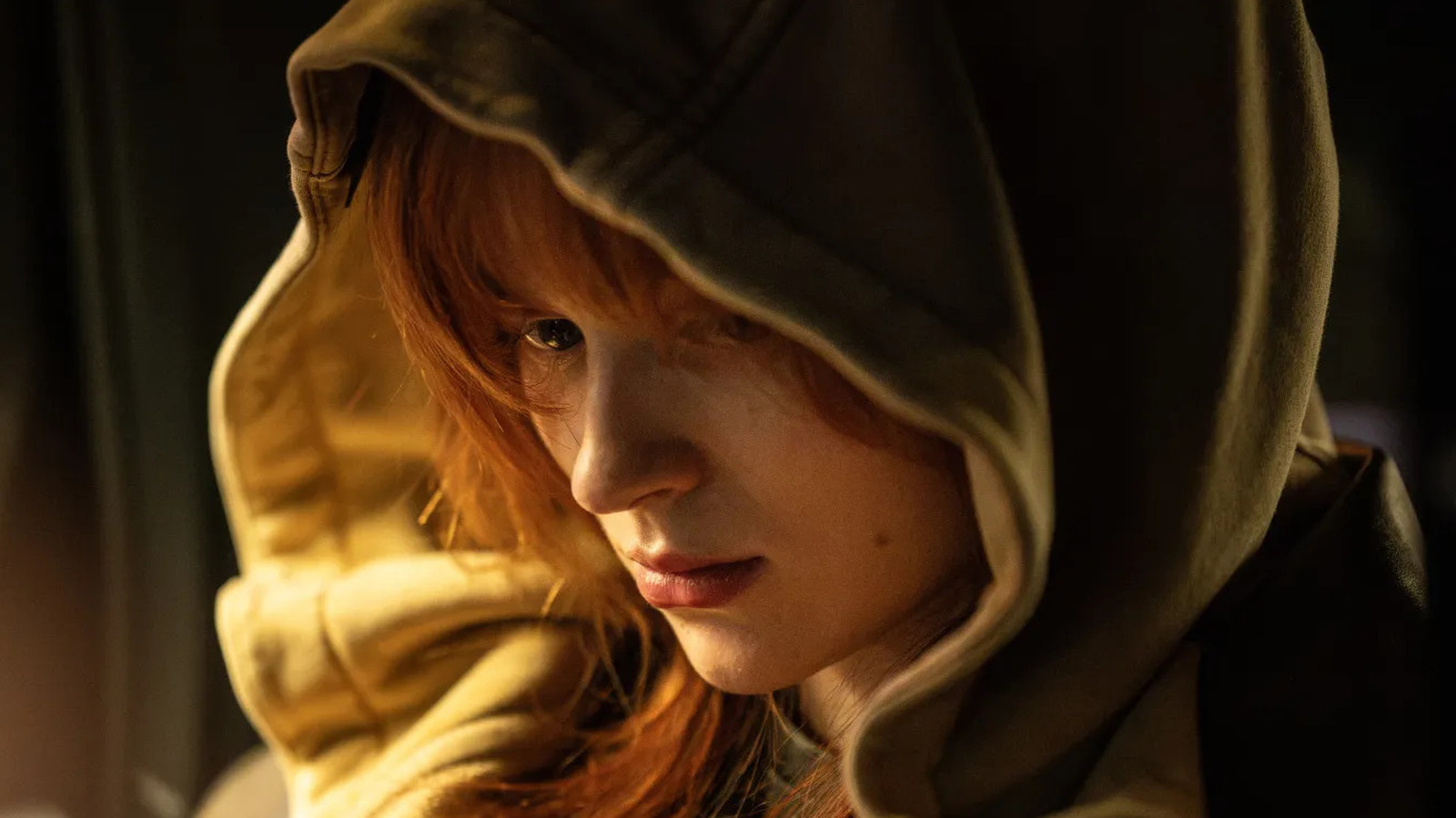
In the sprawling, interconnected tapestry of the Marvel Cinematic Universe, few creative decisions carry as much weight as the selection of an antagonist for a flagship hero. When news broke that Spider-Man: Brand New Day would feature Jean Grey—portrayed by Sadie Sink—as the primary antagonist, it sent shockwaves through the fandom. It was a bold, unconventional choice that tethered the web-slinger to the X-Men’s corner of the Marvel Universe. However, recent revelations from the production team suggest that the film’s narrative path could have been significantly darker and more obscure.
During a candid appearance on the "Bulwark Goes Hollywood" podcast, co-writer Chris McKenna pulled back the curtain on the film’s development, revealing that the creative team initially eyed a much different, more malevolent mutant to menace Peter Parker: the ancient telepathic parasite known as the Shadow King.
The Search for a New Kind of Threat
Spider-Man’s cinematic rogues’ gallery is perhaps the most iconic in superhero history. With nine live-action films preceding Brand New Day, the most prominent A-list villains—Green Goblin, Doctor Octopus, Venom, and Sandman—had already been utilized, some multiple times. Following the multiverse-spanning narrative of Spider-Man: No Way Home, the pressure to avoid a "pale imitation" of past successes created a unique challenge for the writers.
"We needed a villain that felt fresh, someone who could challenge Spider-Man on a psychological level rather than just a physical one," McKenna noted during his interview with Sonny Bunch. The limitations were compounded by corporate logistics; with Sony’s Kraven the Hunter already utilizing Kraven and the Chameleon, the writers were forced to look outside the traditional Spider-Man mythos.
The initial concept was to lean into the "shapeshifter" archetype. The team explored the potential of a villain who could manipulate reality or assume the identity of others, creating a sense of paranoia. This creative drift naturally led them toward telepathy. As McKenna explained, "Once you go down the telepathy route, you’re in mutant territory."
The Shadow King: A Legacy of Possession
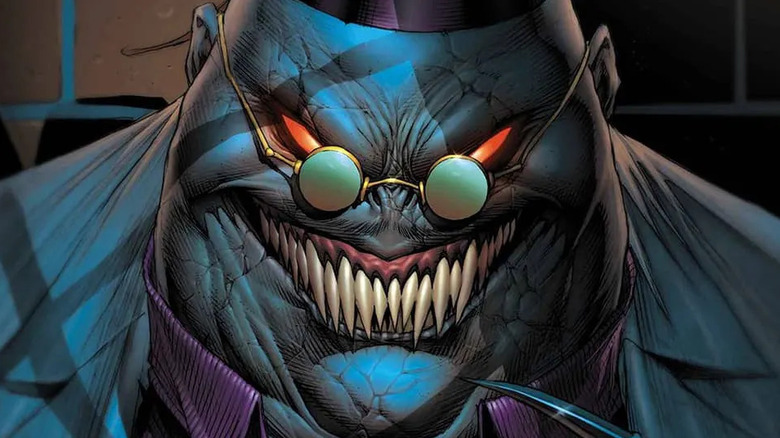
For those less familiar with the deep lore of the X-Men, the Shadow King—often associated with the host Amahl Farouk—is one of the most formidable psychic entities in existence. Created by legendary comic creators Chris Claremont and John Byrne, the character first appeared in X-Men #117.
In the source material, the Shadow King is a psychic parasite that exists primarily on the astral plane. He does not simply control minds; he possesses bodies, turning his victims into puppets to further his inscrutable, often cruel, agendas. The character gained renewed interest in recent years due to his terrifying portrayal in the FX series Legion, where he was played with chilling charisma by Aubrey Plaza.
McKenna revealed that the original pitch for Brand New Day saw the Shadow King orchestrating a grand, sinister plot across New York City. The narrative was heavily influenced by the tension of Die Hard with a Vengeance. In this version, Spider-Man would have been constantly harassed by a voice—a puppet master who possessed unsuspecting citizens to speak for him, forcing the wall-crawler to navigate a city where he couldn’t trust anyone he encountered.
Chronology of a Creative Shift
The decision to abandon the Shadow King in favor of Jean Grey was not made lightly. It was the result of complex negotiations between the co-production entities, Sony and Marvel Studios.
- Early Development (Late 2023): The writing team begins brainstorming for Brand New Day. Due to character availability constraints caused by the Sony Spider-Man Universe (SSU), the team pivots away from traditional Spidey villains toward a psychic threat.
- The "Shadow King" Proposal: Chris McKenna and his team draft a treatment where the Shadow King searches for his lost physical body, hidden in the urban sprawl of NYC. The script leans into horror-adjacent elements of body possession.
- Marvel Studios’ Intervention: Marvel, holding full ownership of the mutant IP, expresses reservations about the use of the Shadow King. Internal memos reportedly requested that the writers avoid using the name "Shadow King" or "Farouk," essentially stripping the character of his identity.
- The Pivot to Jean Grey (September 2024): After realizing that a "nameless" telepath lacked the emotional resonance required for a blockbuster, the creative team proposes Jean Grey. Marvel Studios, seeing an opportunity to plant seeds for their upcoming X-Men reboot, grants approval.
- Production Refinement: The script is rewritten to adapt Jean Grey’s telepathic abilities to function like the Shadow King’s original "puppet-master" mechanics.
Implications of the "Jean Grey" Selection
The transition from a villainous entity like the Shadow King to a morally complex hero like Jean Grey changed the fundamental DNA of Spider-Man: Brand New Day.

By using Jean Grey, the film transformed from a psychological horror-thriller into a tragic character study. While the Shadow King would have served as a purely antagonistic force, Jean Grey allowed for a nuanced exploration of grief, power, and the isolation of being a mutant in a world that fears them.
Furthermore, the integration of Jean Grey served as a "soft launch" for the X-Men in the MCU. By positioning her as a primary antagonist—or at the very least, a powerful, misunderstood force—Marvel Studios signaled that the X-Men would be introduced not just as cameos, but as pivotal players whose powers could reshape the status quo of the entire cinematic universe.
Industry Perspectives and Corporate Synergy
The behind-the-scenes friction highlights the ongoing evolution of the relationship between Sony and Marvel Studios. While Sony retains the rights to Spider-Man, the collaborative effort required to fold mutants into the narrative shows that Marvel Studios is increasingly dictating the "global" direction of these stories.
Industry analysts suggest that the request for the writers to stop using the name "Shadow King" was likely a strategic decision by Kevin Feige and the Marvel brass. If the Shadow King was intended to be a long-term antagonist for the X-Men in the MCU, allowing him to be "burned" in a Spider-Man film without full creative control would have been a tactical error. By steering the writers toward Jean Grey, Marvel Studios kept their future options open while providing the Spider-Man franchise with a high-profile, recognizable name that drove immense box office interest.
Conclusion: A Different Kind of Web
Ultimately, Spider-Man: Brand New Day stands as a testament to the fluidity of comic book storytelling. While the Shadow King would have provided a darker, more cynical experience, the inclusion of Jean Grey provided the emotional stakes necessary to ground the film in the wider MCU.
As the dust settles, the "what-ifs" remain. Fans are left to wonder what a gritty, horror-inspired Spider-Man film directed by the Brand New Day team would have looked like if the Shadow King had been allowed to play. However, in the business of superheroes, the script is rarely set in stone until the cameras roll. The move from an obscure, ancient parasite to one of the most beloved icons of the X-Men demonstrates that even in the world of high-stakes Hollywood, the most compelling stories are often the ones that are forced to change at the last minute.
As we look toward the future of both the Spider-Man and X-Men franchises, one thing is clear: the walls between these worlds have never been thinner, and the potential for crossover remains the most exciting prospect in modern cinema. Whether it was the Shadow King or Jean Grey, the lesson remains the same: Spider-Man is always stronger when he’s forced to grapple with powers far beyond his own neighborhood.